
Justin Timberlake enters a new era on tour
Published on 06/15/2026 at 14:18 | Editorial responsibility: Rafael Müller, Editor-in-Chief AD HOC NEWS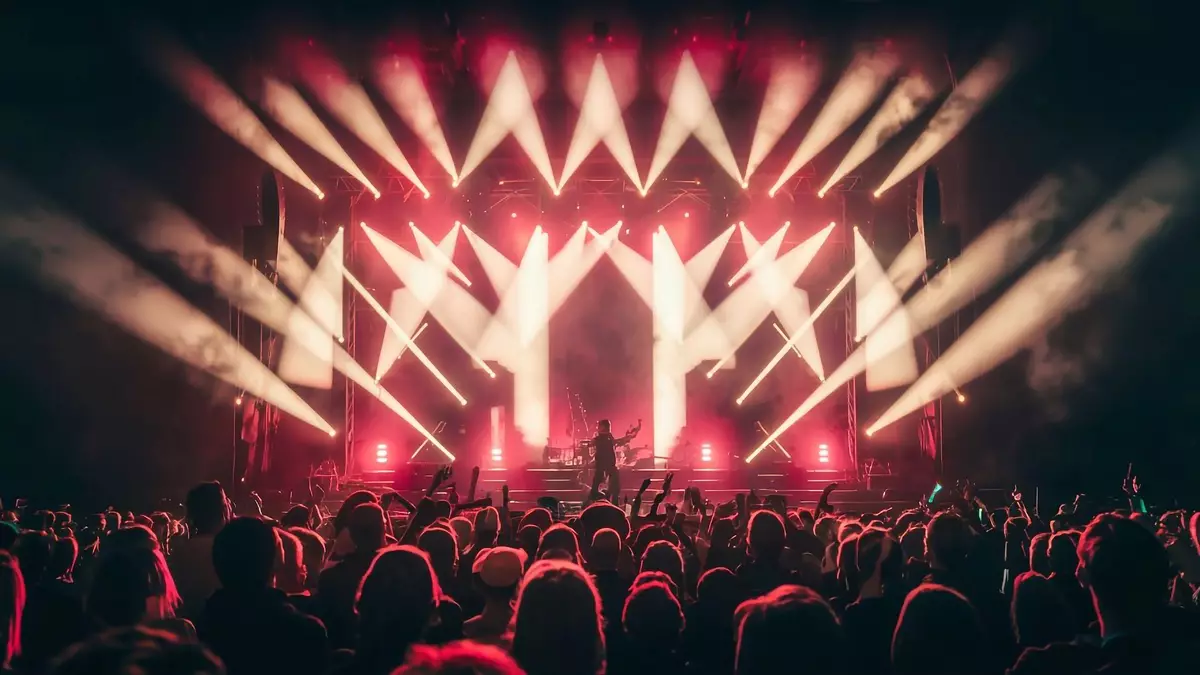
Justin Timberlake stands at a point where early 2000s pop dominance, 2010s arena spectacle, and 2020s streaming habits collide, and his catalog now feels like a living timeline of how mainstream pop and R&B evolved in the US.
From *Everything I Thought It Was* back to *Justified*
Two decades after his solo debut, Justin Timberlake now moves through his sets like someone paging through a thick scrapbook of US pop history, pulling from different eras but stitching them into a single, polished narrative.
His first solo album, Justified, arrived in 2002 and instantly recast him as a grown-up R&B-leaning artist rather than just the former frontman of a teen pop group, setting up an arc that would run through his later work.
On that record, the Neptunes and Timbaland gave Timberlake a sonic palette that fused clipped funk guitars, skittering beats, and falsetto hooks, turning songs like Like I Love You and Rock Your Body into early-2000s club fixtures.
Critically, Justified signaled that he could stand alongside R&B radio staples as well as pop acts, and US outlets noted how he was drawing more directly from Michael Jackson, Stevie Wonder, and Prince than from boy-band formulas.
By the time he followed up with FutureSex/LoveSounds in 2006, Timberlake had fully leaned into futuristic R&B textures, long-form grooves, and orchestrated breakdowns that would help define mid-2000s mainstream pop.
Songs like SexyBack, My Love, and What Goes Around... Comes Around became ubiquitous on US radio and MTV, with SexyBack in particular functioning as a shorthand for his willingness to distort and rough up his voice inside glossy production.
The album was praised for its cohesive sound and forward-looking production ideas, with critics often crediting Timbaland as a central architect while also acknowledging Timberlake's instinct for hooks and vocal character.
As the 2010s opened, Timberlake decelerated his release schedule, pivoting heavily into film roles before returning in 2013 with the expansive double project The 20/20 Experience.
The first installment of The 20/20 Experience stretched tracks into six- and seven-minute suites, using extended codas and string arrangements, and framed pop singles like Suit & Tie and Mirrors as more grown, adult contemporary statements.
The second half of that project arrived later the same year, with a slightly more upbeat and club-leaning sound, although reception was more mixed as some critics questioned whether the double-album concept spread his material too thin.
Across those years he also dropped standalone singles, including the Oscar-nominated Can’t Stop the Feeling!, which doubled as a family-friendly, feel-good anthem tied to a major animated film but also fit neatly into his live set as a crowd-pleasing closer.
When Timberlake released Man of the Woods in 2018, he attempted to fuse his pop sensibilities with rootsier, Americana-tinted textures, presenting the record as something tied to his Southern background.
The critical response to Man of the Woods was notably more divided than for his earlier albums, with some writers praising the attempt to reinvent his palette and others arguing that the concept never fully cohered.
In 2024 he returned with the album Everything I Thought It Was, which many critics framed as a partial return to the sleek, R&B-inflected pop of his earlier work while still acknowledging his age, experience, and shifting cultural context.
Tracks from Everything I Thought It Was slotted into his catalog in a way that made his current setlists feel like curated retrospectives, complementing early hits rather than displacing them.
This arc, from Justified through FutureSex/LoveSounds and The 20/20 Experience to Everything I Thought It Was, defines how Timberlake functions now: less like a chart-chasing newcomer and more like an established pop craftsman with a deep bench of material.
- Justified (2002) repositioned Justin Timberlake as an R&B-influenced solo star.
- FutureSex/LoveSounds (2006) pushed a futuristic club sound into the pop mainstream.
- The 20/20 Experience (2013) stretched his songs into extended suites with orchestral flourishes.
- Everything I Thought It Was returned to sleek pop and R&B colors with a veteran perspective.
Justin Timberlake as a 21st-century pop anchor
For US audiences who came of age with late-90s teen pop and then matured into the streaming era, Justin Timberlake now plays a stabilizing role, functioning as a bridge between generations of listeners and formats.
In the early years of his solo career, Timberlake's presence on MTV's Total Request Live and on US radio cemented him as one of the faces of 2000s pop, with his smooth choreography and distinctive falsetto making him easily recognizable.
He was also one of the early-2000s artists whose music video budgets and visual ambition matched their chart status, and his collaborations with directors amplified the sleek and often slightly futuristic image that paralleled his sound.
As streaming overtook physical sales and downloads, Timberlake's catalog traveled well to new platforms, with songs like Mirrors, Cry Me a River, and SexyBack regularly appearing on curated playlists that splice nostalgia with contemporary hits.
In the US, his visibility extended beyond music, with recurring hosting gigs and performances on television, including high-profile variety and comedy shows that reinforced his persona as an all-around entertainer.
This cross-medium presence meant that even when he released music less frequently, he never entirely left the conversation, particularly for audiences accustomed to seeing him both on stage and on screen.
Within the pop ecosystem, Timberlake occupies a space similar to that of other long-running solo acts whose catalogs now sustain steady streaming numbers and regular sync placements in film, TV, and advertising.
His musical choices have at times trailed larger trends — leaning into EDM textures in the early 2010s or embracing rootsy elements in the late 2010s — but his core appeal has remained his ability to glide between pop, R&B, and dance without abandoning melody.
Even as newer acts dominate charts and social feeds, Timberlake's earlier hits continue to surface in social media challenges and nostalgic playlists, keeping his work present for younger listeners who may not remember the original release cycles.
These dynamics position him as a kind of anchor in 21st-century pop: not always at the very center of every new wave, but consistently in orbit and able to step back into focus with each major project.
From Memphis roots to solo superstardom
Justin Timberlake's story begins in Memphis, Tennessee, a city with a deep musical lineage that includes soul, blues, and early rock and roll, even though his own path would initially run through a very different corner of the industry.
As a child, he first entered the broader US entertainment consciousness through television, gaining experience as a performer and sharpening the on-stage instincts that would later serve him in arenas and stadiums.
His move into the world of boy-band pop put him at the center of a cultural moment in the late 1990s, with tightly choreographed performances and radio-ready hooks defining an era of teen fandom and chart-topping success.
Those years gave Timberlake invaluable experience with touring logistics, live vocal blending, and the demands of sustaining a fanbase across multiple album cycles and promotional campaigns.
The transition into a solo career could easily have faltered, but instead it became one of the key narratives of early-2000s US pop, with Timberlake managing to maintain much of his existing audience while also attracting new listeners drawn to his more mature sound.
Part of that success came from aligning with producers and songwriters whose credits spanned hip-hop, R&B, and pop, allowing his early solo tracks to sit comfortably alongside both club records and radio ballads.
His first solo tours showcased a performer who could handle both high-energy choreography-heavy numbers and stripped-down ballads, often rearranging songs to highlight his live band rather than strictly replicating the studio versions.
This ability to translate meticulously produced tracks into engaging live arrangements would become one of Timberlake's trademarks, especially as he graduated from theaters to arenas.
Alongside his musical output, Timberlake continued to expand his presence in film and television, which added another layer to his public persona and likely contributed to the sense that he had firmly moved beyond the constraints of his teen-pop origins.
Over time, the arc from Memphis childhood performer to boy-band vocalist to solo star became a standard reference point in discussions of how pop careers can evolve and mature in the US market.
How Justin Timberlake's catalog sounds in 2026
Listening to Justin Timberlake's catalog in 2026 reveals clear through-lines in his sound: an affinity for rhythm-forward production, a reliance on falsetto as an expressive tool, and a taste for songs that shift structure midstream.
The trance-like synth pulses and distorted vocal lines on SexyBack marked an early high point in his willingness to push his voice into more aggressive territory, contrasting with the smoother delivery heard on ballads.
Cry Me a River remains a benchmark in how he uses space, echo, and layered harmonies to convey emotional tension, set against relatively sparse but sharply detailed production.
On The 20/20 Experience, Timberlake and his collaborators frequently built songs that stretch past radio-friendly lengths, using breakdowns and codas that give live bands room to reinterpret the material on stage.
Tracks like Suit & Tie pair retro horn lines with contemporary drums, underscoring his interest in blending eras rather than pledging allegiance to a single sonic aesthetic.
Even on more polarizing projects like Man of the Woods, there are moments where acoustic textures, gospel shadings, and pop chorus craft intersect in ways that highlight his willingness to experiment within the mainstream.
With Everything I Thought It Was, Timberlake threads earlier styles together, drawing on both his futuristic R&B tendencies and his interest in lush, midtempo pop, while also writing from the vantage point of an artist with decades of experience.
Lyrically, recurring themes across his records include romantic turmoil, seduction, self-reflection, and nightlife, often filtered through a first-person lens that situates him as both narrator and participant.
His vocal arrangements tend to rely on stacked harmonies and call-and-response patterns, techniques that translate well to live arrangements with backing vocalists and give the songs dimension beyond the lead line.
In the context of contemporary streaming playlists, his tracks stand out for their structural shifts and longer run times, offering an alternative to the two-and-a-half-minute songs that dominate some corners of the current pop landscape.
From Super Bowl stages to long-term influence
Over the last two decades, Justin Timberlake has become one of the most visible US pop performers on marquee stages, appearing at major televised events and award shows that reach far beyond his core fanbase.
His appearances at high-profile sports events, including halftime performances, have kept him in front of millions of viewers who may not actively follow the day-to-day of pop releases but recognize his songs instantly.
In the festival and arena circuit, Timberlake's shows are known for their high production values, with elaborate staging, tightly rehearsed choreography, and live musicianship that underscores his background as a performer rather than a studio-only act.
Critics and fans alike often note that his concerts function as carefully edited surveys of his career, balancing early solo hits, mid-career epics, and more recent tracks in a way that satisfies long-time listeners while also introducing newer songs.
As younger artists have emerged citing 2000s pop and R&B as influences, Timberlake's work has become part of the sonic reference library for a generation of producers and songwriters who grew up with his records.
The structural experimentation of tracks on FutureSex/LoveSounds and The 20/20 Experience can be heard in the way some current artists treat bridges and codas, stretching songs beyond the conventional verse-chorus format.
At the same time, Timberlake's career has also prompted conversations about the challenges and responsibilities of long-term pop stardom, including questions of cultural appropriation, genre borrowing, and how artists navigate changing social contexts.
Discussions of his legacy increasingly hinge on both his musical accomplishments and the broader cultural conversations around his work, positioning him as a complex figure in pop history rather than a simple success story.
For many US listeners, however, the most immediate measure of his impact is simpler: his songs have scored parties, road trips, workouts, weddings, and everyday moments across multiple decades.
That combination of critical influence, mainstream reach, and personal association places Justin Timberlake among the defining pop artists of the early 21st century, with a catalog that continues to find new listeners even as his earliest solo work ages past the twenty-year mark.
Key questions about Justin Timberlake today
Which Justin Timberlake album is most influential?
Many listeners and critics point to FutureSex/LoveSounds as Justin Timberlake's most influential record, thanks to its innovative production, extended song structures, and blend of pop, R&B, and electronic elements.
How has Justin Timberlake balanced music and acting?
Justin Timberlake has alternated between intense periods of musical activity and stretches focused on film and television, using his screen work to stay visible while spacing out major album releases.
What defines Justin Timberlake's live reputation?
Justin Timberlake is known as a polished live performer who combines choreography, live band arrangements, and a carefully curated setlist that moves through his catalog from Justified to newer material.
Social and streaming snapshots for Justin Timberlake
Across social platforms and streaming services, Justin Timberlake's catalog functions as both nostalgia fuel and a continuing source of new discovery for younger listeners.
Justin Timberlake – moods, reactions, and trends across social media:
Deepen your Justin Timberlake dive
More coverage of Justin Timberlake at AD HOC NEWS and elsewhere:
Read more about Justin Timberlake on the web -> Search all Justin Timberlake coverage at AD HOC NEWS ->


