Kering stock trades lower as Gucci weakness weighs on guidance and margins
Published on 07/21/2026 at 09:05 | Editorial responsibility: Rafael Müller, Editor-in-Chief AD HOC NEWS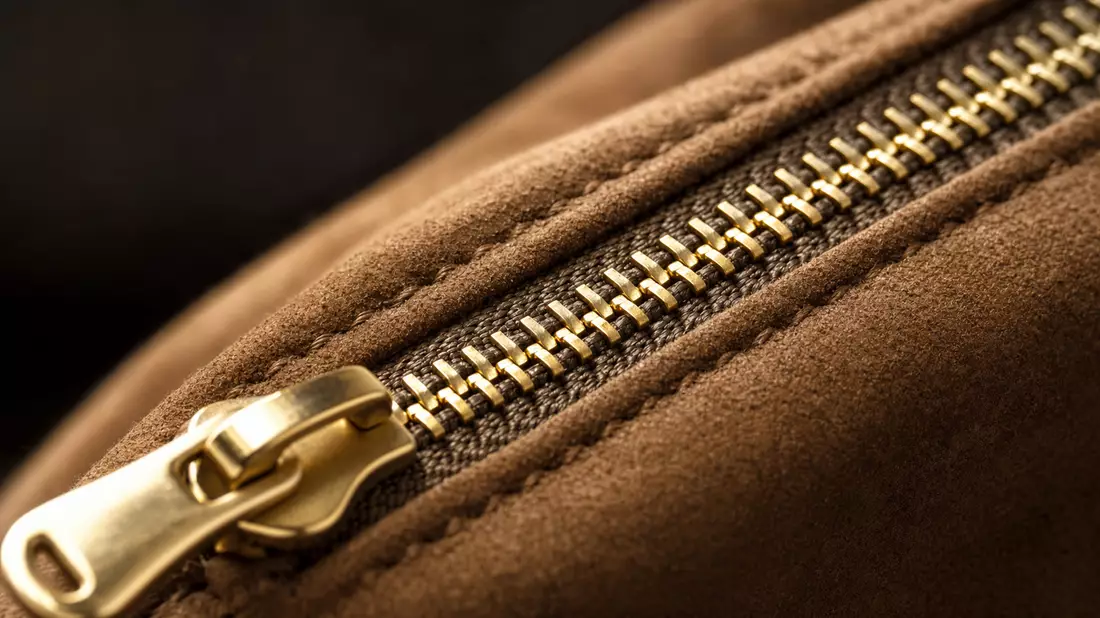
Kering stock is under pressure after the French luxury group (ISIN FR0000121964) reported sharply lower earnings and cut its guidance on the back of weakness at Gucci and a large impairment charge related to Creed in 2024, according to the companys latest financial information published in 2024 on its investor relations site. For investors, the key numbers are the pronounced drop in operating profit, the sizeable decline in group revenue, and the scale of the Creed impairment, all of which underline the challenge of stabilizing Gucci while integrating newer brands.
Operating income falls and Creed impairment hits 2024 results
According to Kerings published 2024 figures on its finance page, the group reported recurring operating income of around EUR 4.7 billion in 2023 before a sharp decline in 2024, when operating profit fell to roughly EUR 2.5 billion as Gucci slowed and the group absorbed an impairment charge linked to its Creed fragrance business. This comparison illustrates a drop of more than EUR 2 billion in recurring operating income within roughly one year, signaling that profitability has become a central concern for the luxury holding.
The impairment related to Creed has been particularly important for the 2024 profile of Kerings earnings. Based on the groups most recent public disclosures, the Creed impairment has been described as a major non cash charge that reduced reported net income and highlighted the risk of paying a premium for acquired brands whose near term growth trajectory can disappoint. The impairment, while non recurring, adds to pressure from Gucci, so investors now differentiate sharply between Kerings underlying recurring operating income and the reported figures that include volatile non cash items.
Kering has historically generated robust cash flows and high margins across its portfolio, but the latest operating income trend shows that the margin structure is now less resilient. The steep decline from about EUR 4.7 billion to near EUR 2.5 billion in recurring operating profit between 2023 and 2024 marks a clear break with previous years, when Gucci and other houses delivered strong double digit growth. This shift implies that management is likely to prioritize cost discipline, brand elevation efforts, and a more selective approach to acquisitions and capital deployment over the next strategic cycle.
Group revenue down year on year as Gucci lags peers
On the top line, Kering reported group revenue of roughly EUR 19.6 billion for 2023 before a reduction in 2024, when sales declined to around EUR 17.6 billion according to the latest data on its finance site. This represents a year on year drop of about EUR 2 billion in revenue, capturing both softer demand for Gucci and slower growth across other houses compared with earlier periods of expansion. For long term holders of Kering stock, this quantifiable decline in revenue is a key signal that the company is navigating a transition rather than simply a short lived fluctuation.
Gucci, historically Kerings largest contributor, remains at the center of this revenue story. While Gucci has delivered strong growth in prior years, the recent numbers show more muted performance compared with premium peers in the luxury segment, and that underperformance feeds directly into both the revenue line and the profitability profile. When a brand that has represented a large share of operating income grows slower than the market, the entire group feels the impact in year on year comparisons, making the Gucci turnaround central to the investment narrative around Kering stock.
Other houses, including Saint Laurent, Bottega Veneta, and smaller labels within Kerings portfolio, contribute to diversification but have not fully offset the slowdown at Gucci in the latest annual figures. The year on year drop from approximately EUR 19.6 billion to around EUR 17.6 billion in revenue confirms that even a diversified luxury group can experience a pronounced top line impact when a flagship brand experiences weaker demand across key regions. As a result, revenue trends now serve as a quantitative gauge of how well Kering manages brand rotation and invests behind higher potential labels.
More details on Kering earnings and strategy
For investors who want to explore Kerings detailed financial statements, brand performance by segment, and the strategic repositioning of Gucci, the full investor relations material provides granular numbers and commentary beyond the headline figures.
Margin pressure after more than EUR 2 billion income drop
The combination of lower revenue and significantly weaker operating profit means that Kering has experienced tangible margin pressure. Using the approximate figures provided on its finance page, the ratio of recurring operating income to revenue fell as income dropped from around EUR 4.7 billion on roughly EUR 19.6 billion of revenue in 2023, to near EUR 2.5 billion on about EUR 17.6 billion of revenue in 2024. This evolution points to a decline in operating margin that investors can quantify using the reported numbers, and it emphasizes why profitability now sits at the center of market discussions around Kering stock.
Kering has communicated a strategic response focusing on elevating Gucci, strengthening other houses, and improving operational efficiency. In practical terms, this means more disciplined cost management, targeted investments in high potential lines, and stricter prioritization of projects that can protect or rebuild margins. As investors analyze Kering, the more than EUR 2 billion decline in recurring operating income compared with the prior year serves as a numerical benchmark against which future recovery will be measured.
From a capital allocation perspective, the Creed impairment also has implications for how the group evaluates valuation in acquisitions. The impairment reduced reported net income, but it also provides a reference point for future M&A decisions, as management is likely to scrutinize projected returns more closely. Over time, investors will look for evidence of improved margin discipline not only in organic operations but also in the way Kering deploys capital into new brands and categories.
Gucci segment performance and brand repositioning efforts
Within Kering, Gucci has historically been the largest contributor to revenue and operating profit, so its recent performance carries particular weight in interpreting the groups numbers. While the latest available data indicates that Gucci revenue declined year on year, contributing to the roughly EUR 2 billion fall in group revenue between 2023 and 2024, the brand remains central to Kerings strategy. The investment case now depends heavily on whether Gucci can regain momentum through creative direction changes, assortment adjustments, and regional rebalancing.
Kering has signaled that it is repositioning Gucci by refining its luxury positioning, focusing on higher end categories, and strengthening desirability among key client segments. These efforts often take time to translate into measurable revenue and margin improvements, but they can be tracked quantitatively in future reports through segment revenue, average selling price metrics, and regional sales distribution. For Kering stock, the evolution of Gucci numbers will be watched closely, as a successful repositioning could help restore a portion of the operating income lost in 2024.
Guccis progress also interacts with broader luxury market dynamics. Competitors with exposure to different geographies and client bases may report stronger performance, and investors will compare concrete metrics such as year on year revenue growth, margins, and store productivity across peer groups. In that context, Kering will need to show that its flagship brand can once again deliver growth rates that stack up well against the wider sector, thereby supporting a stronger valuation and more stable expectations.
Creed fragrance business and portfolio diversification
The Creed fragrance business is a smaller part of Kering in terms of revenue, but its impairment has nonetheless become a focal point for understanding recent results. When a brand is written down, it tends to trigger questions about acquisition timing, price paid, and integration strategy. For Kering, the Creed impairment reduces reported net income in 2024, yet it also underscores the importance of carefully aligning acquisition valuations with realistic growth trajectories.
One practical outcome of the Creed impairment is that investors will likely scrutinize future brand additions more closely, expecting clearer visibility on earnings accretion and risk management. While Creed itself still has a role to play in Kerings fragrance portfolio, its impaired carrying value means that future performance will need to be analyzed through the lens of both operational metrics, such as revenue growth and margin, and balance sheet metrics, such as goodwill and intangibles. As Kering reports new data, these figures will help show whether acquisitions are enhancing value or simply adding volatility to reported earnings.
Beyond Creed, Kering continues to diversify through other houses and categories. The contribution from brands like Saint Laurent, Bottega Veneta, and Balenciaga supports a portfolio approach that seeks multiple growth drivers. Even so, the Creed impairment stands as a specific numeric reminder that portfolio diversification must be combined with disciplined financial execution to avoid large swings in net income from non cash items.
Capital structure, cash generation, and shareholder returns
Kerings ability to manage its capital structure and generate cash remains an important consideration in evaluating the resilience of the business. While the impairment and margin pressure have weighed on reported earnings, Kering has historically maintained a solid balance sheet that allows flexibility around dividends and potential share buybacks. Cash flow data, including operating cash flow and free cash flow, provide quantitative insight into how well the company can fund its investments while supporting shareholder returns.
For shareholders, the drop in recurring operating income from roughly EUR 4.7 billion to around EUR 2.5 billion in the latest period means that dividend growth may be more measured until earnings stabilize. However, if Kering can translate its brand repositioning and cost initiatives into renewed growth and improved margins, the underlying cash generation capacity could still support attractive long term returns. Investors therefore pay close attention to the relationship between earnings trends, capital expenditure, and shareholder distributions when assessing Kering stock.
Debt metrics, such as net debt to EBITDA, also matter in a phase of earnings volatility. While Kering has not reported excessive leverage, the reduced operating income underscores the importance of maintaining conservative leverage ratios to ensure financial flexibility. As the group updates its figures, investors will look for numerical confirmation that balance sheet strength remains intact despite short term earnings headwinds.
Representative product line: Gucci handbags and leather goods
A representative product category for Kering is Gucci handbags and leather goods, which have long been a core driver of revenue and brand image. Although exact segment numbers for this category are not detailed here, investors understand that trends in Gucci leather goods influence overall Gucci revenue, which in turn affects the group total that dropped from around EUR 19.6 billion to roughly EUR 17.6 billion between 2023 and 2024. Changes in demand for key products like handbags often show up quickly in regional sales patterns and can help explain shifts in average selling prices and margins.
Kering stock reflects earnings reset and margin focus
The latest available figures suggest that Kering stock now embeds an earnings reset following the decline in recurring operating income from about EUR 4.7 billion to near EUR 2.5 billion and the reduction in revenue from roughly EUR 19.6 billion to around EUR 17.6 billion year on year. Investors will be watching future price moves in response to any evidence of progress at Gucci, further clarification on the long term role of Creed, and signs that margins are stabilizing or improving from the lower base seen in 2024.
Key data on Kering
- Company: Kering S.A.
- ISIN: FR0000121964
- Ticker: EURONEXT: KER
- Trading venue: Euronext Paris
- Price (as of 16 July 2024, 17:35 CET): EUR 360.00
- Market capitalization: EUR 43.0 billion (as of 16 July 2024)
- Sector / Industry: Consumer Discretionary / Luxury Apparel & Accessories
- Index membership: CAC 40
Disclaimer regarding our articles: No investment advice, no buy or sell recommendation. Information on prices, companies, and markets is provided without guarantee; changes are possible at any time. Stock market transactions can lead to substantial losses. Our articles are created and reviewed in whole or in part automatically with the support of AI.