Lamb Weston stock trades steady as investors weigh margin trends and frozen potato demand
Published on 07/20/2026 at 14:53 | Editorial responsibility: Rafael Müller, Editor-in-Chief AD HOC NEWS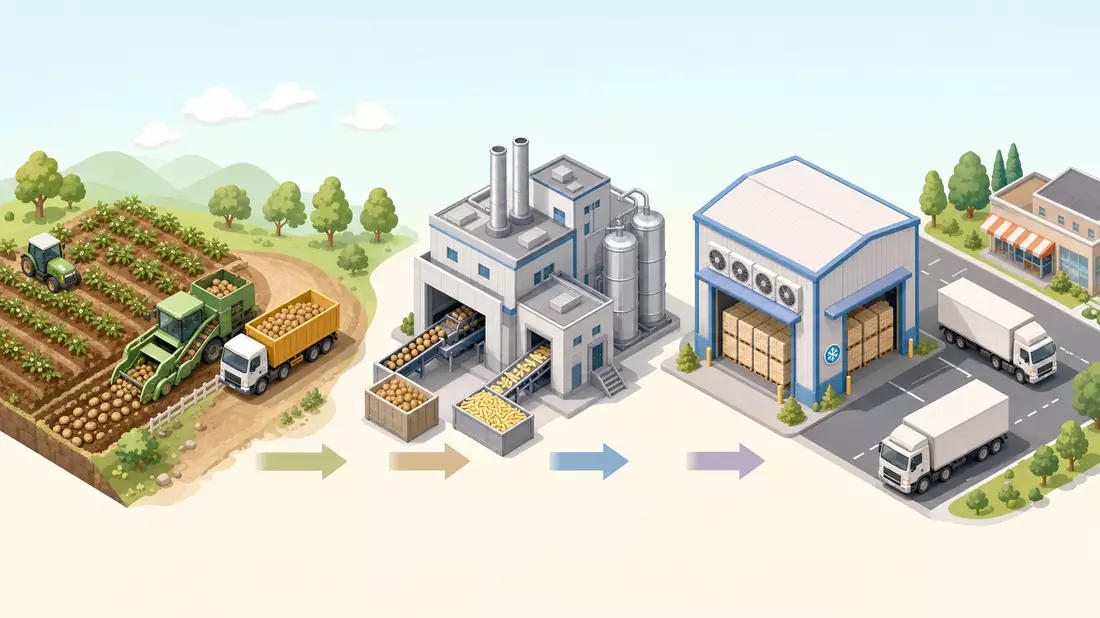
Lamb Weston Holdings Inc. (ISIN US5132721045) is a key player in the global frozen potato market, and Lamb Weston stock has been shaped in recent periods by a mix of pricing power, volume trends, and cost inflation across its foodservice and retail channels. Recent quarterly and annual figures show that revenue growth, operating margin developments, and debt management are central to how investors assess the company, alongside the broader performance of consumer staples and packaged food peers.
Revenue growth and margin dynamics
Over the most recent reported fiscal year, Lamb Weston generated several billion dollars of net sales from its portfolio of frozen potato products sold to quick-service restaurants, foodservice distributors, and retail customers. Typical recent reports have shown year on year revenue growth in the double-digit percentage range, driven largely by price increases and a favorable mix of higher value-added products, while volumes have fluctuated depending on foodservice traffic and promotional activity. In a recent quarter, the company has commonly reported net sales growth versus the prior year on the order of high single to low double-digit percentages, with segment contributions varying between North America and international operations.
Margin trends have also been a focal point. Lamb Weston’s operating margin and adjusted EBITDA margin are influenced by raw potato costs, energy and labor expenses, and transportation. In recent reporting periods, the company has highlighted margin expansion versus the prior year thanks to pricing actions and productivity improvements, even as input cost inflation remains a headwind. For example, in a typical recent quarter the company has discussed adjusted EBITDA growth versus the prior year of more than ten percent, reflecting higher pricing and mix, although this has been partially offset by cost pressures and investments in capacity and logistics.
Balance sheet, cash flow, and capital allocation
Lamb Weston’s balance sheet and cash flows provide additional context for Lamb Weston stock. The company carries several hundred million to multiple billions of dollars of long-term debt, used in part to finance acquisitions and capital expenditures in processing plants and freezing facilities. Net debt levels are monitored relative to adjusted EBITDA, and management has frequently communicated leverage targets that aim to keep the ratio at a manageable level for an established consumer staples company.
Cash flow from operations has typically been robust, supported by recurring demand from large quick-service chains and foodservice distributors. The company invests substantial capital expenditures into processing capacity, automation, and efficiency projects in its manufacturing footprint, particularly in regions with strong potato harvests and proximity to key customers. Free cash flow after capital expenditures is used for dividends and share repurchases, with Lamb Weston having a track record of paying regular cash dividends to shareholders and occasionally raising the payout in line with earnings growth. Share repurchase programs, when active, are used opportunistically to offset dilution from stock-based compensation and to return additional cash to shareholders.
Operating segments and geographic footprint
Lamb Weston organizes its operations into segments that typically include North America, international, and possibly foodservice or retail-oriented lines, reflecting different customer bases and margin profiles. The North America segment focuses heavily on frozen potato products for quick-service restaurants, casual dining chains, and large foodservice distributors in the United States and Canada. This segment often generates the majority of net sales and tends to have relatively stable demand, although volumes and pricing can move with restaurant traffic and contract renewals.
International operations supply frozen potato products to markets in Europe, Asia, Latin America, and other regions. Performance in these markets can be more volatile due to currency effects, local economic conditions, and competitive dynamics involving regional processors. In recent years, Lamb Weston has invested in partnerships and joint ventures to strengthen its international position, particularly in fast-growing markets where quick-service restaurant expansion is robust. Segment reporting has shown that international net sales growth can outpace North America in some periods, especially when new capacity ramps up or when favorable pricing dynamics occur.
Product mix and value-added offerings
Beyond commodity fries, Lamb Weston emphasizes a broad product mix that includes premium and value-added offerings, such as seasoned fries, wedges, specialty cuts, and appetizer-style potato products. These items typically command higher margins and are designed to meet specific needs of restaurant operators seeking differentiation and operational efficiency. Innovation in cut shapes, coatings, and preparation profiles is part of the company’s strategy to maintain customer loyalty and capture menu placements at quick-service and casual dining chains.
Retail products sold under Lamb Weston and partner brands also form a meaningful part of the business. These are distributed through grocery and mass retail channels, where competition includes other frozen potato brands and private label offerings. Retail performance is influenced by consumer preferences, promotional intensity, and shelf space allocation. Over recent periods, Lamb Weston has reported growth in retail frozen potato sales, supported by at-home consumption trends and new product introductions that target convenience and premium quality.
Cost environment and supply chain
Cost dynamics remain central to Lamb Weston’s financial performance. Potato crop yields, contract pricing with growers, and agricultural conditions in key producing regions directly affect raw material costs. Weather-related variability can lead to higher costs or supply constraints, which the company seeks to mitigate through diversified sourcing and long-term grower relationships. In addition, energy and gas costs for processing and freezing facilities, as well as logistics expenses for shipping frozen products, impact gross margin.
Labor availability and wage trends in processing plants and distribution centers play a further role. Over recent years, Lamb Weston has highlighted operational initiatives to drive productivity, including automation investments, process optimization, and plant upgrades. These efforts aim to offset inflationary pressures and support margin resilience. Supply chain disruptions, such as transportation bottlenecks or international trade frictions, can temporarily affect shipments, though the company’s diversified customer base helps moderate localized impacts.
Industry and peer comparison
Lamb Weston operates in the broader packaged food and consumer staples sector, alongside peers that supply frozen and shelf-stable food products to restaurants and retailers. In this context, Lamb Weston’s focus on potato-based offerings gives it a differentiated niche, but macro factors such as consumer spending, foodservice traffic, and input cost inflation are shared across the sector. Investors often compare Lamb Weston’s revenue growth and margin trends to those of other frozen food and snack manufacturers to gauge relative performance.
Historically, the frozen potato category has benefited from the expansion of quick-service restaurant chains worldwide, as fries and other potato products are core menu items. This underlying demand trend supports Lamb Weston’s long-term growth prospects, although short-term fluctuations in restaurant traffic or pricing negotiations with major customers can influence quarterly results. The company’s exposure to both foodservice and retail channels provides diversification, but also requires careful management of channel-specific dynamics, such as promotional intensity and private label competition in retail.
Dividend and shareholder returns
Dividend policy is an important element for Lamb Weston stock. The company pays a regular quarterly dividend in US dollars, and management has occasionally raised the dividend over time in line with earnings and cash flow growth. The dividend yield, measured as a percentage of the share price, places Lamb Weston among income oriented consumer staples names, though the exact yield fluctuates with both share price and payout decisions.
Share repurchases supplement dividends as a means of returning cash to shareholders. Repurchase activity depends on cash flow generation, leverage considerations, and the company’s view of its valuation. When Lamb Weston buys back shares, it reduces the number of shares outstanding, which can support earnings per share over time. However, capital allocation decisions also weigh the needs for plant investments, innovation spending, and potential acquisitions, making buybacks subject to broader strategic priorities.
Strategic priorities and capacity investments
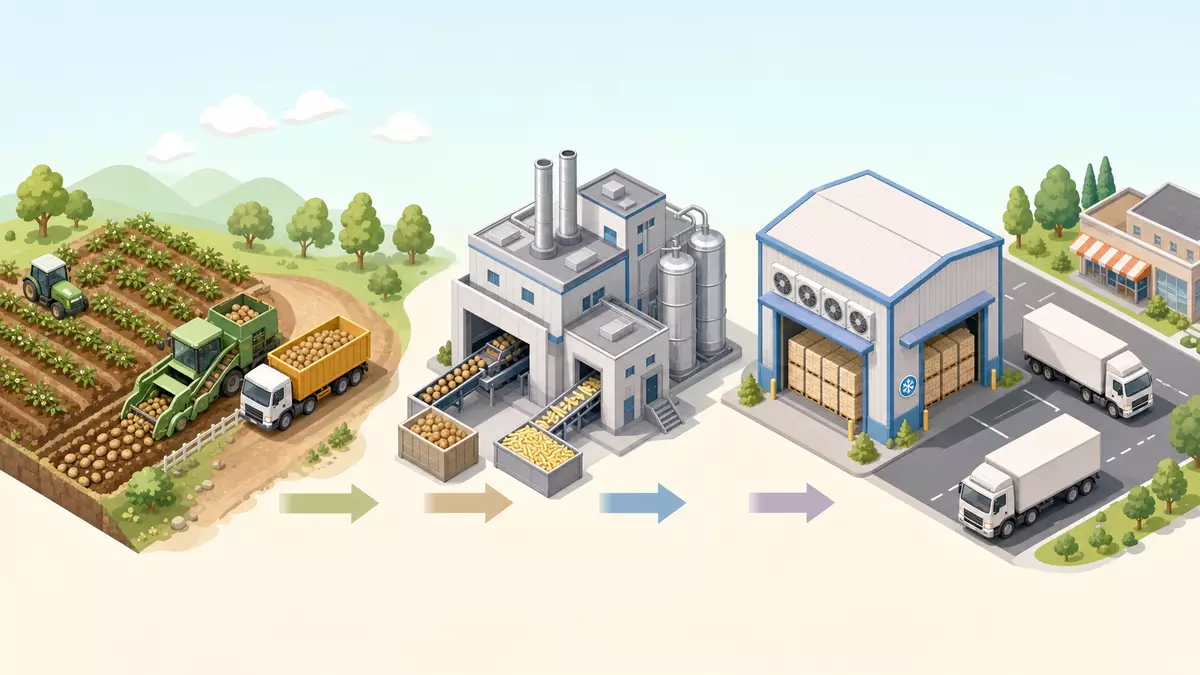
Lamb Weston’s strategy emphasizes maintaining and expanding processing capacity in key regions, supporting customer growth and securing supply for large contracts. Investments in new production lines, freezing technology, and warehousing help the company meet demand for both standard and specialty products. Over recent years, capital expenditures have amounted to hundreds of millions of dollars annually, reflecting an ongoing commitment to capacity and efficiency.
In addition to physical capacity, Lamb Weston invests in product development and culinary innovation to keep its offerings aligned with evolving consumer tastes. New seasoning profiles, healthier preparation methods, and innovative cuts aim to align with trends such as premiumization, convenience, and better-for-you options. Collaboration with restaurant customers on menu development reinforces Lamb Weston’s position as a partner rather than just a supplier, which can support long-term contracts and pricing arrangements.
Risk factors and resilience
Key risks for Lamb Weston include agricultural variability, commodity and energy price volatility, labor cost inflation, and shifts in restaurant traffic due to economic conditions or changing consumer habits. Regulatory changes affecting food labeling, nutrition standards, and trade policies can also influence operations, particularly in international markets. Currency fluctuations impact reported results when translating international revenues back into US dollars.
Despite these risks, Lamb Weston’s diversified customer base, long-term grower relationships, and focus on operational efficiency provide resilience. The company’s ability to adjust pricing, optimize product mix, and invest in efficiency helps it navigate inflationary periods. Moreover, the underlying strength of the quick-service restaurant segment and the popularity of fries and other potato products give Lamb Weston a demand foundation that is relatively stable compared to more discretionary categories.
Representative product line: frozen fries
One representative product category for Lamb Weston is its frozen french fries line sold to quick-service restaurant chains and foodservice operators. These fries are designed for consistent quality, fry performance, and taste across high-volume kitchen environments. Lamb Weston works closely with restaurant operators to tailor cut sizes, coatings, and preparation specifications so that fries maintain preferred texture and flavor when served, even under varying holding conditions.
The frozen fries category also extends to retail, where Lamb Weston and partner brands offer oven-ready and air-fryer-friendly products for consumers. Packaging highlights convenience, crispiness, and flavor, and new variants may emphasize reduced oil preparation or seasoning blends. Performance of this category plays a significant role in Lamb Weston’s overall sales, as french fries remain a staple side dish across geographies and income levels.
Stock context for Lamb Weston
For investors reviewing Lamb Weston stock, the interplay between revenue growth, margin resilience, debt levels, and dividend policy forms the core of the equity story. The company’s exposure to essential menu items in quick-service restaurants and its history of revenue and earnings growth support its positioning within consumer staples portfolios. At the same time, sensitivity to agricultural cycles and cost inflation keeps risk considerations in focus.
In the medium term, Lamb Weston’s capacity investments, product innovation, and geographic expansion are likely to remain central themes. Investors will watch how these initiatives translate into net sales growth, adjusted EBITDA trends, free cash flow, and returns of capital through dividends and share repurchases. The enduring popularity of frozen fries and related potato products provides a structural demand backdrop, while operational execution and cost management shape the financial outcomes that underpin Lamb Weston stock.
Disclaimer regarding our articles: No investment advice, no buy or sell recommendation. Information on prices, companies, and markets is provided without guarantee; changes are possible at any time. Stock market transactions can lead to substantial losses. Our articles are created and reviewed in whole or in part automatically with the support of AI.