
Lana Del Rey enters a new era with recent releases
Published on 06/14/2026 at 17:28 | Editorial responsibility: Rafael Müller, Editor-in-Chief AD HOC NEWS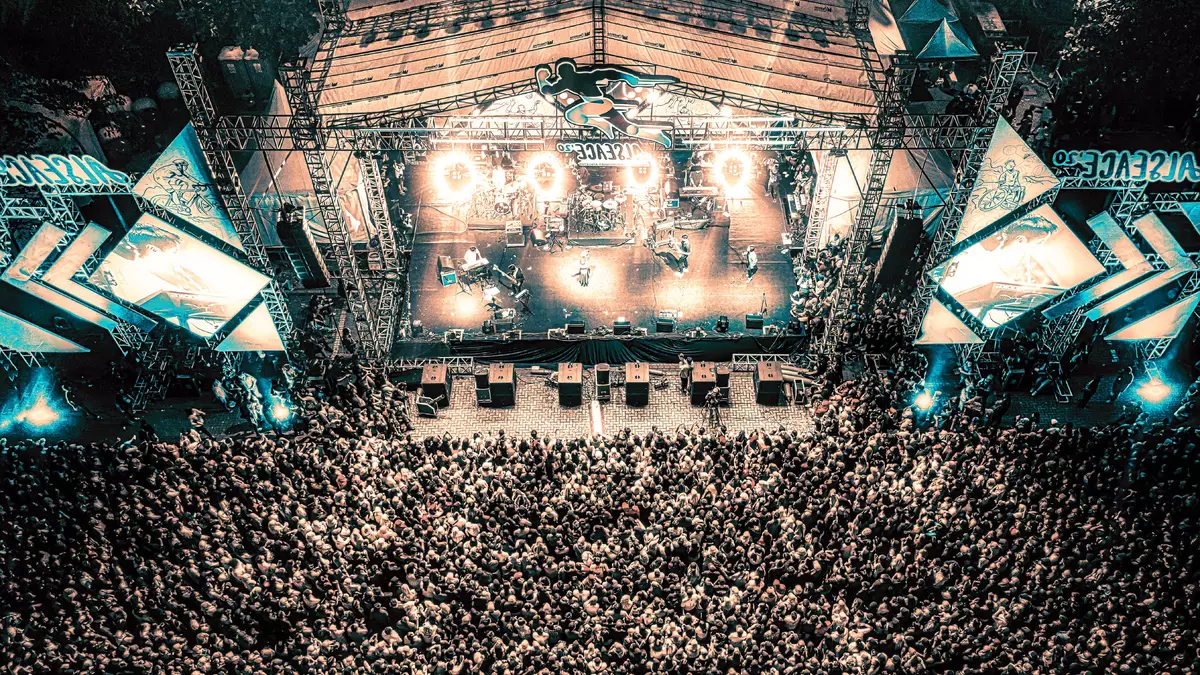
On recent albums and singles, Lana Del Rey has sharpened her vision of America into something both mythic and intimate, turning her once-outsider baroque pop into a reference point for a whole generation of songwriters.
From early viral buzz to headlining major festivals and topping charts, Lana Del Rey has grown into one of the defining voices of 2010s and 2020s pop.
Her work sits at the intersection of indie, rock, pop, and Americana, giving US audiences a distinctive lens on love, fame, and the darker corners of the American dream.
Dream-pop noir and Lana Del Rey’s scene
Lana Del Rey emerged in the early 2010s as a singular figure, blending the visual language of old Hollywood with a sound that drew from torch songs, trip-hop, indie rock, and classic pop.
At a time when mainstream radio was dominated by maximalist EDM-pop and glossy club anthems, she leaned into slow tempos, melancholic strings, and a cinematic sense of pacing that set her apart for US listeners accustomed to high-energy hits.
Her music quickly became associated with an online aesthetic that mixed Tumblr-era imagery, grainy Americana, vintage cars, and faded neon, placing her at the center of a youth culture that romanticized both nostalgia and decay.
Critics and fans alike began to frame her as a bridge between indie sensibilities and pop scale, aligning her with alt-pop peers who questioned fame and identity rather than simply celebrating them.
As her catalog expanded, US audiences started to understand her not as a one-hit phenomenon but as an architect of a distinct mood, one that shaped bedroom-pop, singer-songwriter scenes, and even the tone of major-label releases chasing a similar vibe.
Her persona, equal parts character performance and autobiographical confession, made her a key reference point in discussions about authenticity, spectacle, and the role of narrative in modern pop.
- Her early success helped open doors for slower, moodier pop on mainstream playlists.
- She became a touchstone for younger artists blending indie aesthetics with chart ambitions.
- Her visuals brought old Hollywood and Americana tropes back into pop conversation.
- She helped cement a space for melancholic, literate songwriting in US pop.
Within US scenes that stretch from Los Angeles indie clubs to Brooklyn art-pop circles, Lana Del Rey’s influence can be traced through younger acts who borrow her pacing, her fascination with doomed romance, and her fascination with the mythology of cities like Los Angeles and New York.
Her work also resonates with the broader Americana and folk-rock communities, where her fascination with roadside motels, diners, and wide open highways echoes long-standing American songwriting traditions, even as she filters them through reverb-heavy production and contemporary pop structures.
How Lana Del Rey became a defining artist
Lana Del Rey was born Elizabeth Woolridge Grant and initially circulated in the late-2000s New York scene before the world knew her stage name, performing early material that already hinted at her fascination with doomed relationships and cinematic storytelling.
Her breakthrough came when the video for the song Video Games spread rapidly online, pairing found-footage visuals with her low, melancholic vocals and orchestral arrangements, instantly marking her as an artist with a distinct mood rather than a conventional dance-pop presence.
That song appeared on her major-label debut studio album Born to Die, which introduced a widescreen mix of hip-hop beats, string sections, and noir-pop melodies that placed her somewhere between classic torch singers and contemporary alternative pop.
The album helped establish her presence on charts in the United States and abroad, proving that slower, moodier songs could still find large audiences in an era dominated by uptempo singles.
Following that early success, she released the companion EP Paradise, expanding the sonic palette with even more cinematic arrangements and further refining her themes of glamour, danger, and heartbreak.
Her subsequent album Ultraviolence marked a pivot toward a more guitar-centered, rock-oriented sound, drawing from classic rock, psychedelic textures, and hazy production that appealed to listeners who came to her from rock and indie backgrounds.
This album framed her as an artist willing to grow beyond the expectations set by her initial singles, embracing a rougher sonic edge while keeping her storytelling and character studies at the center.
Later albums, including Honeymoon and Lust for Life, continued to expand her range, bringing in elements of jazz, lounge, and classic pop while engaging more directly with cultural and political undercurrents in the United States.
As she moved into the late 2010s and early 2020s, she increasingly collaborated with producers and songwriters who helped her strip back her arrangements, allowing her lyrics and vocal nuances to sit closer to the listener.
From early New York shows to global stages
Lana Del Rey’s ascent can be traced from small performances in New York clubs to major festival stages and large theaters, reflecting both the cultivation of a devoted fanbase and a steady broadening of her audience.
In her early career, she honed her craft in smaller spaces, bringing an almost cabaret-like intimacy that foregrounded her voice and storytelling, often performing with minimal backing compared to her later full-band shows.
As her profile expanded following Born to Die, she transitioned into larger venues, where her stage design and visuals mirrored the cinematic quality of her music, with backdrops evoking sunsets, vintage motels, and palm trees.
Her performances often favor mood-building over choreography, with a focus on her presence at the microphone, the arrangement of the band, and projected visuals that extend the narratives of her songs.
That commitment to atmosphere over spectacle aligns her more with classic singer-songwriters and rock performers than with the high-production choreography that characterizes much contemporary pop touring.
Fans in US cities respond strongly to the communal quality of her shows, where sing-alongs to songs like Summertime Sadness or Young and Beautiful can feel like shared rituals rather than simple radio-hit moments.
In interviews and stage banter, she often references specific cities, highways, and American landmarks, further deepening the sense that each show exists within the same mythic US landscape mapped across her records.
Over time, her live reputation has become another key part of how critics and audiences understand her, reinforcing the idea that her work lives as much in the performance of mood and narrative as it does in chart statistics.
Even when not anchored to a specific tour cycle, she has remained a reliable draw, with her name frequently appearing toward the top of festival posters and marquee lineups whenever she chooses to perform.
Albums, songs, and the Lana Del Rey sound
Across her discography, Lana Del Rey has developed a sound that melds cinematic strings, surf-rock guitars, trip-hop beats, and hushed piano ballads into a coherent universe.
Her major-label debut Born to Die set the blueprint, contrasting heavy beats with swelling strings and choirs, while songs like Blue Jeans and Born to Die itself sketched out the doomed-romance narratives that became central to her identity.
Ultraviolence deepened the rock influence, with live drums, distorted guitars, and hazy, analog-style production that invited comparisons to psychedelic rock and 1970s singer-songwriter records.
Honeymoon leaned into languid, jazz-influenced arrangements, often slowing the tempo and foregrounding her voice in ways that felt closer to classic vocal-pop albums than to contemporary radio trends.
With Lust for Life, she opened her universe up to more collaborations and subtle political reflections, incorporating guest appearances and nods to contemporary pop while maintaining her melancholic core.
Her album Norman Fucking Rockwell! (often discussed as a milestone in her catalog) pushed the songwriting into an even more refined, piano-and-guitar-driven direction, with critics highlighting its detailed character sketches and references to US culture.
This record, produced in part with Jack Antonoff, played a significant role in solidifying her status as a serious album artist, not just a singles act, and it helped reframe her in the critical conversation as one of the strongest lyricists in modern pop.
On later projects such as Chemtrails over the Country Club and Blue Banisters, she continued to strip back the sound, emphasizing pianos, subtle percussion, and intimate arrangements that allow her storytelling to feel almost diaristic.
Her use of recurring motifs, from highways and hotels to California coastlines and turbulent relationships, gives her discography a sense of cohesion even as she experiments with different sonic textures.
Individual songs like West Coast, with its tempo shifts and surf-rock swing, and Ride, with its extended monologue and expansive arrangement, demonstrate her interest in form as much as in melody.
For US listeners accustomed to radio formats that favor quick hooks and clear structures, her willingness to stretch songs out into little short films has been an important part of her appeal.
She often sings in a breathy, intimate register but can shift into more powerful belts or stylized vibrato at key emotional moments, using her voice as a narrative tool rather than merely a vehicle for hooks.
Production across her albums balances organic instrumentation with modern studio techniques, resulting in records that feel timeless but still contemporary enough to fit alongside current alt-pop and indie releases on streaming playlists.
Influence, reception, and long-term legacy
Over the past decade-plus, Lana Del Rey has moved from polarizing figure to widely acclaimed artist, with critical narratives evolving alongside her own growth as a songwriter.
Early debates around her authenticity and stage persona have largely given way to recognition of her consistent thematic depth and craft, with many reviewers now crediting her as a key influence on the mood-driven pop that dominates playlists.
Her albums have regularly appeared on year-end and decade-end lists from major publications, and her work is often cited in discussions of how pop music in the 2010s turned toward introspection, slower tempos, and richly textured production.
Among younger artists, especially those in the indie-pop, bedroom-pop, and alt-pop spheres, Lana Del Rey’s impact shows up in lyric themes, production choices, and a willingness to foreground melancholy without apology.
Her blend of Americana imagery and personal confession has also informed how other songwriters tackle the idea of national identity, particularly in times of cultural and political tension.
Streaming platforms reveal that her catalog has staying power beyond individual release cycles, with songs from across eras frequently resurfacing in new playlists and social-media-driven waves of attention.
Her visuals and music videos, often rich with symbolism and references to film history, have contributed to a broader conversation about how pop stars construct and sustain narrative worlds around themselves.
In US festival culture, her presence has helped normalize sets built around atmosphere and slow-burn dynamics rather than constant high-energy peaks, encouraging more diverse pacing across lineups.
Her legacy is also shaping up in academic and critical writing, where she is increasingly discussed alongside canonical singer-songwriters who used persona and place as central elements of their work.
As new generations discover her early titles alongside her most recent records, the continuity of her vision stands out: an ongoing examination of desire, danger, fame, and the American mythos seen through a distinctly personal lens.
Key questions about Lana Del Rey
What kind of music does Lana Del Rey make?
Lana Del Rey is often described as an alt-pop or art-pop artist whose work blends elements of indie rock, baroque pop, dream-pop, and Americana.
Her songs tend to favor slow or mid-tempo arrangements, cinematic strings, and atmospheric production over dance beats or club-ready hooks.
She draws heavily on storytelling traditions from classic singer-songwriters, while using modern production to place her music firmly in the contemporary landscape.
Which Lana Del Rey albums are most essential to hear first?
For new listeners, starting with Born to Die offers a sense of the dramatic, string-laden style that first brought her to wide attention.
From there, Ultraviolence reveals her rock-oriented side, with more guitars and live-band textures, while Norman Fucking Rockwell! showcases her maturing songwriting and more stripped-back arrangements.
Later records such as Chemtrails over the Country Club and Blue Banisters deepen her exploration of intimate, piano-and-guitar-focused material.
Why does Lana Del Rey resonate so strongly with US audiences?
Lana Del Rey’s music taps into core American images and myths, from highways and diners to Hollywood and coastal suburbs, giving US listeners a poetic reflection of their own cultural landscape.
Her willingness to explore vulnerability, obsession, and the darker sides of romance feels honest to many fans, especially in contrast to more straightforward empowerment anthems on mainstream radio.
At the same time, her evolving sound keeps her relevant to different scenes, from indie circles to pop and rock audiences, ensuring that each new project finds both loyal followers and curious newcomers.
Social and streaming touchpoints for Lana Del Rey
Lana Del Rey’s presence across social platforms and streaming services allows US fans to dive into deep catalog listening, discover live performances, and follow visual motifs that echo her albums.
Lana Del Rey – moods, reactions, and trends across social media:
Further reading on Lana Del Rey
More coverage of Lana Del Rey at AD HOC NEWS and elsewhere:
Read more about Lana Del Rey on the web -> Search all Lana Del Rey coverage at AD HOC NEWS ->


