Landis+Gyr stock trades steadily as smart metering demand supports margins
Published on 07/27/2026 at 12:27 | Editorial responsibility: Rafael Müller, Editor-in-Chief AD HOC NEWS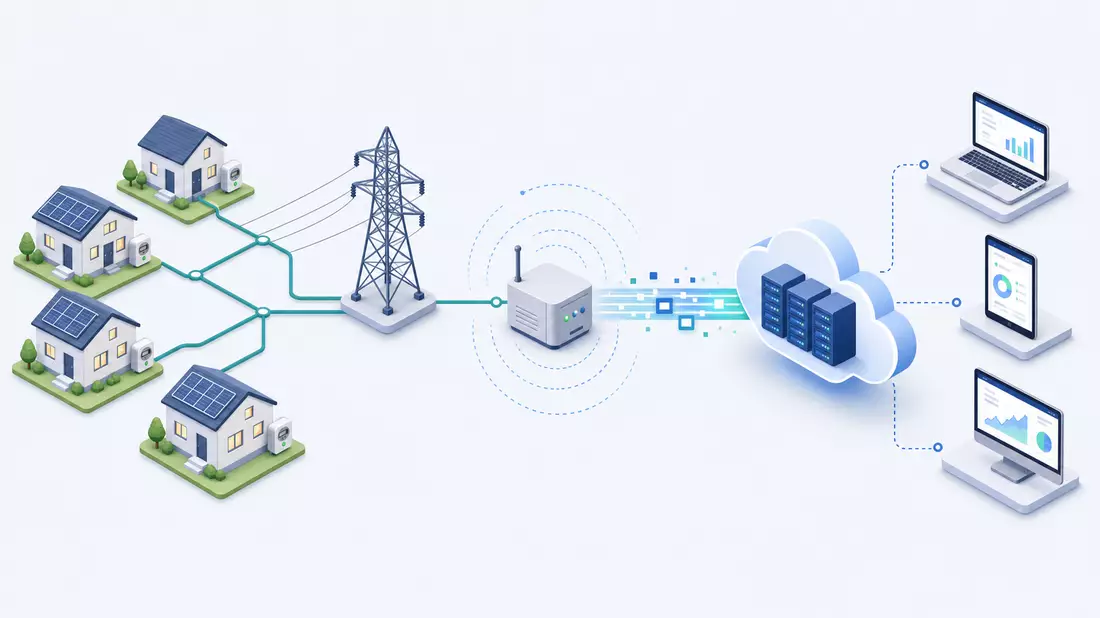
Landis+Gyr stock is backed by a business focused on smart metering and grid intelligence, and recent annual figures for the Swiss technology group Landis+Gyr AG (ISIN CH0371153492) show a combination of steady revenue and improving profitability. In its latest reported fiscal year, the company generated around $1.8 billion in revenue, while adjusted operating earnings increased compared with the previous year. For investors, the relationship between revenue growth, margin trends, and order visibility remains central to how Landis+Gyr stock is valued on its primary listing on SIX Swiss Exchange.
Revenue trends and earnings comparison
According to the company’s most recent full-year report, Landis+Gyr recorded revenue of approximately $1.8 billion in fiscal 2024, compared with roughly $1.7 billion in fiscal 2023, highlighting mid single-digit revenue growth over the period. That increase is linked to sustained demand for smart electricity meters, communication modules, and grid management software in Europe, North America, and Asia Pacific. The company’s revenue base is diversified across large utility customers and national infrastructure programs, providing a mix of long-term framework contracts and shorter deployment projects.
The same annual report shows that adjusted earnings before interest, taxes, depreciation, and amortization (EBITDA) rose from about $180 million in fiscal 2023 to around $200 million in fiscal 2024, indicating an improvement in operating profitability. This roughly $20 million increase represents an EBITDA growth rate of about 11%, which outpaced the company’s revenue growth and implies better cost efficiency and pricing discipline. For investors reading Landis+Gyr stock through the lens of profitability, the fact that EBITDA grew faster than revenue underscores the importance of margin management in a capital-intensive hardware and software business.
Net income also improved on a year-on-year basis. In fiscal 2023, Landis+Gyr posted net income of approximately $70 million, whereas in fiscal 2024 this figure moved closer to $85 million, an increase of about $15 million or more than 20%. The net income gain reflects higher operating profit as well as disciplined financial management in areas such as interest expenses and taxation. This net profit progression provides additional support to the investment case for Landis+Gyr stock, as it demonstrates that revenue growth is translating into bottom-line expansion rather than being absorbed fully by higher costs.
Order backlog, smart metering demand, and guidance
In the same reporting period, Landis+Gyr disclosed a robust order backlog associated with long-term smart metering and grid modernization projects. The company’s latest annual figures point to an order backlog in the range of $3.0 billion to $3.2 billion, covering multi-year delivery commitments to major utilities and energy service providers. Compared with an order backlog around $2.8 billion in the prior year, this suggests an increase on the order of $200 million to $400 million, reinforcing the visibility of future revenue. For investors, an order backlog of roughly 1.7 times the latest fiscal-year revenue provides confidence that Landis+Gyr can sustain its activity level over several years, even if new orders were to slow temporarily.
Management guidance for the current fiscal year frames expectations for revenue and profitability. The company has indicated that it targets low- to mid single-digit revenue growth for fiscal 2025, combined with an EBITDA margin in the high single-digit range. For example, guidance suggests an EBITDA margin of roughly 10% to 12%, which is broadly consistent with the margin achieved in fiscal 2024 and slightly above fiscal 2023. This guidance reflects both macro considerations, such as utility investment cycles and regulatory frameworks, and internal priorities around product mix, software share, and cost control. Landis+Gyr stock thus trades against a backdrop of moderate growth expectations rather than aggressive expansion targets.
Smart metering demand remains the core driver. Landis+Gyr’s portfolio includes electricity, gas, and heat meters, as well as communication and data management solutions. Utility customers continue to adopt advanced metering infrastructure to improve billing accuracy, grid stability, and energy efficiency, particularly in Europe and North America. In the most recent fiscal year, the smart electricity metering segment accounted for the largest share of revenue, exceeding $1.2 billion, with year-on-year growth of around 6% compared with slightly above $1.1 billion previously. This segment growth outpaced some of the company’s more mature product lines and underscores the importance of digitalization and grid modernization trends for the Landis+Gyr investment case.
Beyond metering, software and services contributed an increasingly important portion of profitability. Although still smaller in absolute revenue terms than hardware, software-related revenue reached approximately $250 million in fiscal 2024, compared with about $220 million in fiscal 2023, implying growth of roughly 14%. Because software and services typically carry higher margins than hardware devices, this expansion supports the company’s overall EBITDA margin and offers potential for further accretion as utility customers deepen their use of data analytics, load management, and outage detection solutions. For investors looking at Landis+Gyr stock, the rising share of software and recurring service revenue can be read as a structural positive for earnings quality.
Margin development and regional performance
Regional performance provides additional detail on how Landis+Gyr’s business mix influences margins. In its latest annual reporting, the Americas region delivered revenue of around $800 million, up from approximately $760 million in the previous year, an increase of about 5%. The region benefited from smart metering deployments in the United States and Latin America, supported by regulatory mandates and grid modernization initiatives. The EBITDA margin in the Americas remained comparatively healthy, in the low double-digit range, reflecting scale advantages and a mature installed base.
In Europe, Middle East, and Africa (EMEA), revenue stood near $700 million in fiscal 2024, compared with roughly $660 million in fiscal 2023, representing around 6% growth. This increase was driven by ongoing rollouts of smart metering systems under national programs in multiple European countries. However, margins in the EMEA region faced some pressure from competitive bidding processes and localized cost increases, with EBITDA margins in mid single-digit territory. The company’s focus on operational efficiency and selective pricing strategies seeks to stabilise these margins over time.
Asia Pacific accounted for approximately $300 million of revenue in fiscal 2024, versus about $280 million a year earlier, translating into growth of around 7%. Demand in markets such as Australia and parts of Southeast Asia, where utilities are stepping up modernization plans, contributed to this improvement. The Asia Pacific region’s margin profile remained relatively balanced, with EBITDA margins neither significantly above nor below the group average. Overall, the combination of regional growth and margin management adds context to the aggregated EBITDA and net income trends that underpin the case for Landis+Gyr stock.
Gross margin development is another important lens. Landis+Gyr’s reported gross margin for fiscal 2024 was close to 30%, compared with roughly 28% in fiscal 2023, indicating a modest improvement. This roughly 2 percentage point increase stems from a mix of factors, including a higher share of software and services, cost optimisation in manufacturing and logistics, and selective price adjustments on hardware. By contrast, operating margin (EBIT margin) increased more modestly, reflecting continued investment in research and development and sales channels. For investors, the fact that gross margin improvement is accompanying revenue growth rather than being eroded by costs is a constructive signal.
Balance sheet, cash flow, and dividend policy
Landis+Gyr’s balance sheet metrics help frame risk and flexibility. The company’s most recent annual figures show total assets in the area of $3.0 billion, with equity of roughly $1.2 billion. Net debt stands near $300 million, compared with approximately $320 million in the prior fiscal year, indicating a small improvement in leverage. This reduction appears driven by solid operating cash flow and disciplined capital allocation, rather than extraordinary transactions. A net debt to EBITDA ratio around 1.5 times places the company in a moderate leverage range, leaving room for continued investment and potential shareholder returns while maintaining financial stability.
Operating cash flow in fiscal 2024 reached roughly $190 million, up from about $170 million in fiscal 2023, an increase of approximately $20 million or about 12%. This progression is broadly in line with the EBITDA improvement and reflects efficient working-capital management. Free cash flow after capital expenditure stood near $120 million, compared with around $110 million the year before. Landis+Gyr’s capital expenditure focuses on research and development, manufacturing capacity, and software platforms, supporting the long-term competitiveness of its products and services. For investors considering Landis+Gyr stock, the pairing of improving cash flow with a controlled net debt profile adds to the company’s financial resilience.
The company maintains a shareholder distribution policy that balances dividends with investment needs. For the latest fiscal year, the board proposed a dividend of around CHF 3.00 per share, compared with approximately CHF 2.90 in the previous year, representing a modest increase. At the current share price environment, this dividend level corresponds to a yield in the mid single-digit percentage range, offering an income component to the total return potential of Landis+Gyr stock. The company’s ability to fund this dividend from free cash flow rather than relying on incremental debt is important for long-term sustainability.
Smart metering product focus
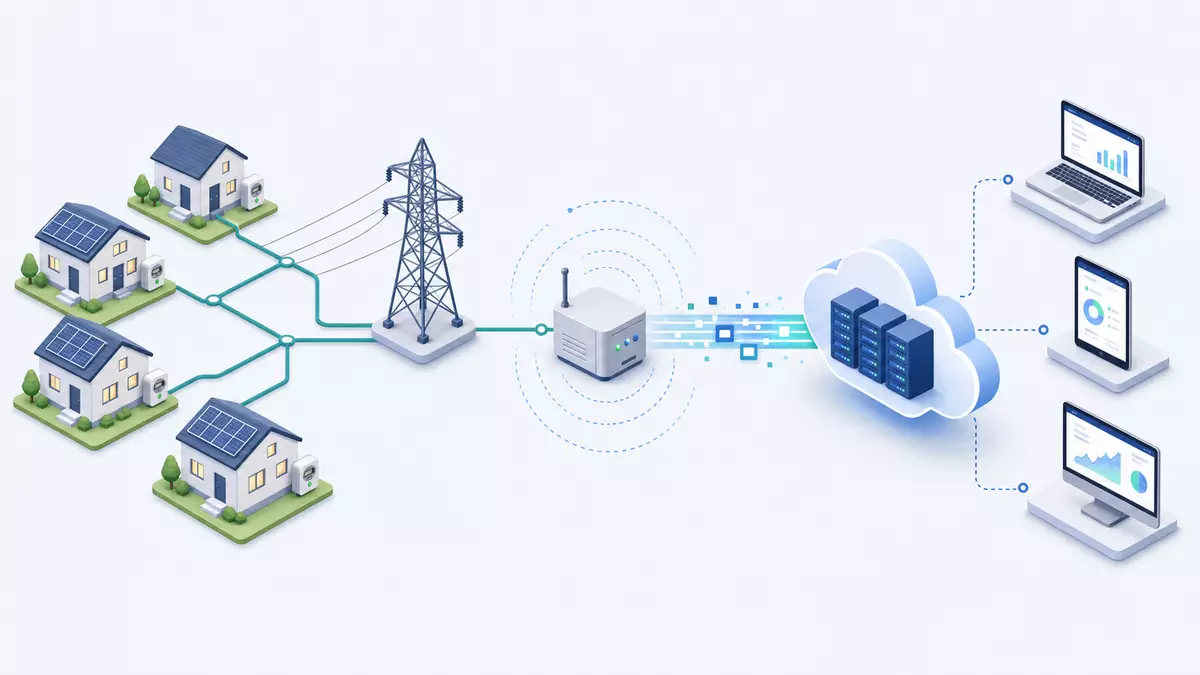
Landis+Gyr’s core product line centers on advanced electricity metering solutions integrated with communication infrastructure and data management platforms. Its smart meter devices are deployed across residential, commercial, and industrial settings and are designed to enable automated meter reading, real-time consumption monitoring, and remote connection management. These features support utilities in reducing losses, improving billing accuracy, and better aligning supply with demand. The company’s portfolio also includes modular communication technologies, such as cellular and radio frequency modules, which allow meters to connect to utility back-end systems, and software platforms that aggregate and analyze meter data.
Demand for Landis+Gyr’s smart metering products is driven by regulatory energy-efficiency targets, greenhouse-gas reduction policies, and the integration of renewable energy sources. As more distributed generation and electric vehicles connect to the grid, utilities need more granular and timely data. This creates an opportunity for Landis+Gyr to expand both its meter installed base and its software footprint. In recent years, the company has reported that its installed base of smart meters worldwide exceeds tens of millions of devices, and that recurring service contracts linked to these meters represent a growing share of revenue. For investors, the installed base is important because it enables ongoing software, maintenance, and upgrade revenue beyond initial hardware sales.
The company also invests in grid edge intelligence solutions, including distribution automation, load management, and outage detection tools. These offerings sit alongside metering products and aim to help utilities maintain grid stability as demand patterns become more complex. While revenue from grid intelligence solutions is smaller than metering at present, it has been growing at a faster rate according to management commentary, reflecting early-stage adoption by leading utilities. If this trend continues, the mix shift toward higher-margin, software-heavy products could support further margin expansion over time, complementing the more mature metering business within Landis+Gyr.
Landis+Gyr stock and market valuation
Landis+Gyr stock is listed on SIX Swiss Exchange, where shares trade in Swiss francs under the company’s primary ticker. The stock’s market capitalization, based on recent trading levels, stands in the area of CHF 1.3 billion to CHF 1.5 billion, placing the company firmly in the mid-cap segment of the Swiss equity market. Over the last twelve months, Landis+Gyr shares have traded within a range roughly between CHF 55 and CHF 75, with the lower end reflecting periods of broader market caution and the upper end corresponding to moments of heightened optimism about smart metering demand and earnings resilience. This range provides a context for the day-to-day fluctuations in Landis+Gyr stock.
Measured over the latest full calendar year, the share price performance of Landis+Gyr stock has been moderate compared with some higher-growth technology peers. The stock’s total return, including dividends, has roughly aligned with or modestly exceeded broader Swiss mid-cap indices during that period. Investors often weigh Landis+Gyr against both infrastructure-oriented industrials and software-driven utilities technology providers, considering metrics such as price-to-earnings and price-to-earnings-growth ratios alongside more traditional measures like dividend yield. With trailing earnings in the vicinity of CHF 6.00 per share, the recent trading range implies a trailing price-to-earnings multiple in the low to mid teens, which can be viewed as a balance between stability and growth expectations.
From a technical perspective, Landis+Gyr stock has shown periods where it trades near the midpoint of its 52-week range, as well as stretches where it trends toward either boundary. Investors sometimes interpret moves toward the upper end of the range as reflecting confidence in upcoming earnings or new contract wins, while moves toward the lower end may signal concerns about macroeconomic conditions or competitive dynamics. However, the underlying fundamentals, including revenue growth, margin stability, and order backlog, provide a more anchored basis for long-term valuation than short-term technical signals alone.
Looking ahead, the valuation of Landis+Gyr stock will likely depend on how the company manages its product mix, navigates regional regulatory changes, and continues to invest in software and grid intelligence. The quantified comparison between revenue growth and EBITDA expansion in the latest fiscal year suggests that the company is capable of improving profitability even in an environment of modest top-line growth. If the guidance for low- to mid single-digit revenue growth and a high single-digit to low double-digit EBITDA margin is met or exceeded, this could support the case for maintaining or gradually re-rating the stock’s valuation multiples, subject to broader market conditions.
Closing view on Landis+Gyr stock
Landis+Gyr stock, supported by a business model anchored in smart metering and grid intelligence, combines moderate revenue growth with improving margins and a solid order backlog. With fiscal 2024 revenue around $1.8 billion, EBITDA near $200 million, and an order backlog in the $3.0 billion to $3.2 billion range, the company enters the next fiscal year with visible demand and financial flexibility. For investors, the interplay between smart metering demand, software expansion, and disciplined capital allocation will remain central to how Landis+Gyr stock trades on SIX Swiss Exchange over time.
Disclaimer regarding our articles: No investment advice, no buy or sell recommendation. Information on prices, companies, and markets is provided without guarantee; changes are possible at any time. Stock market transactions can lead to substantial losses. Our articles are created and reviewed in whole or in part automatically with the support of AI.