Legionnaires’ Disease Outbreak in New York Highlights Urgent Water Safety Gaps for UK Employers
Veröffentlicht: 09.07.2026 um 23:27 Uhr, Redaktion boerse-global.de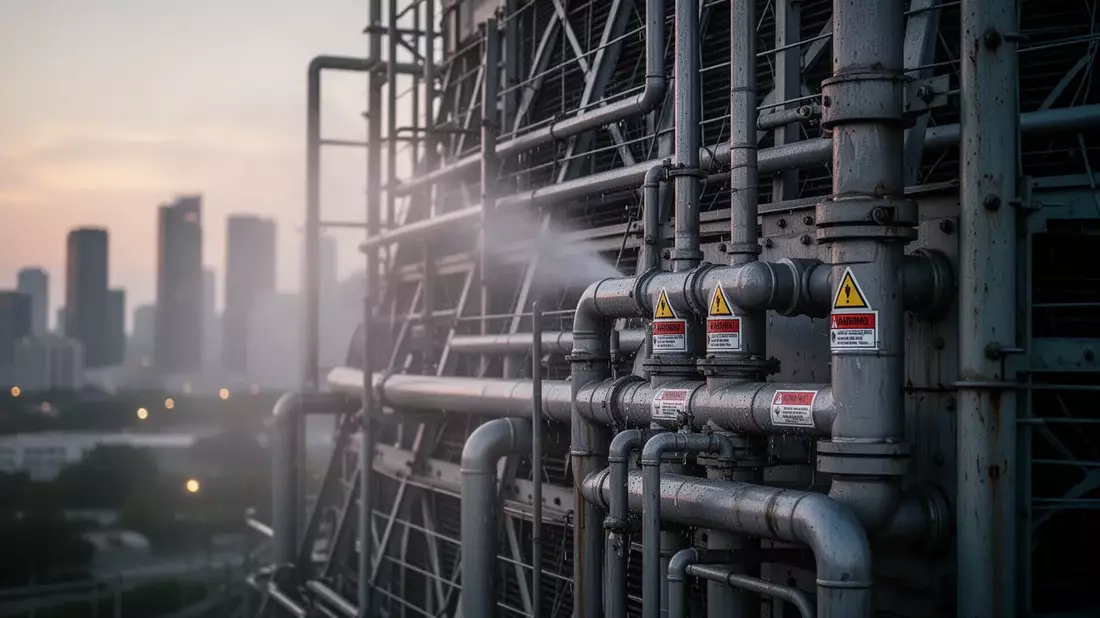
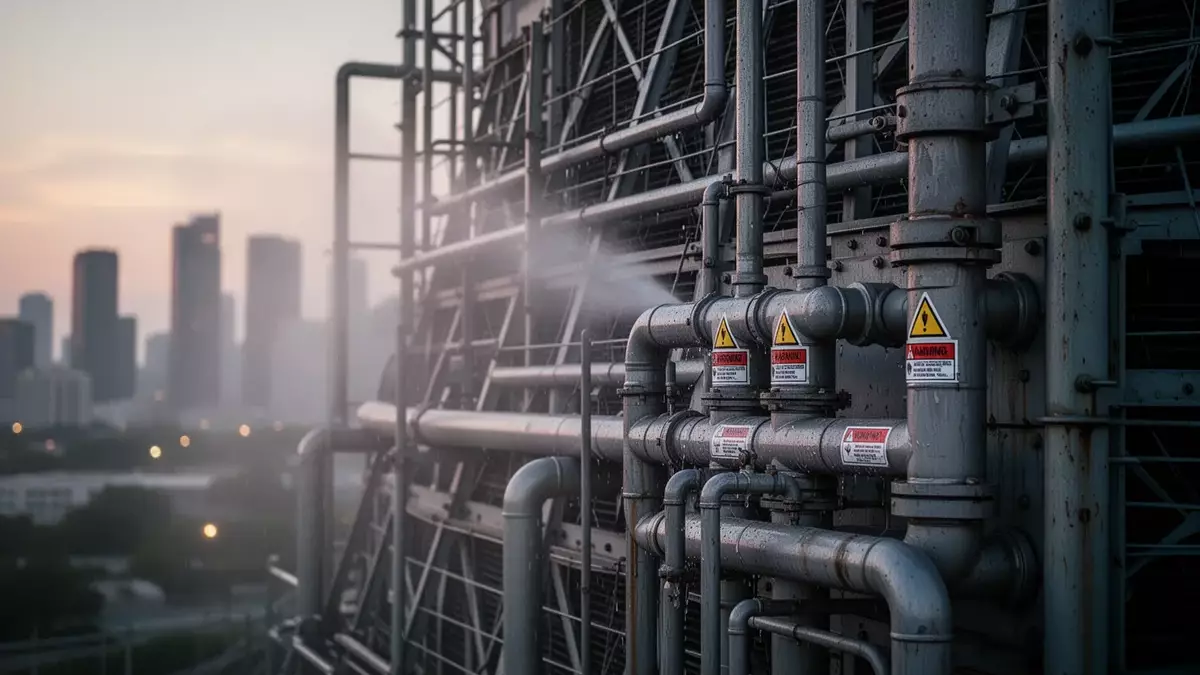
A fast-growing Legionnaires’ disease cluster in New York City has underscored the critical importance of cooling tower maintenance and regulatory compliance — with direct lessons for UK businesses governed by the Approved Code of Practice L8 (ACoP L8) and HSG274 technical guidance.
As of July 9, 2026, health officials have confirmed 36 cases in Manhattan’s Upper East Side, with more than 60 percent of those affected requiring hospitalisation. While the source investigation continues, the outbreak has exposed significant compliance failures and driven renewed demand for water safety expertise and testing equipment on both sides of the Atlantic.
Low Compliance Rates Despite New Testing Law
The outbreak is concentrated in the Yorkville and Carnegie Hill neighbourhoods, spanning three ZIP codes. The New York City Health Department has deployed over 100 staff to manage the response and is investigating more than 160 cooling towers in the area. Environmental samples have already been collected from 139 towers, with Mayor Mamdani pledging to release the addresses of any buildings that return positive results for Legionella contamination.
The surge in cases follows the implementation of a new local law on May 8, 2026, mandating monthly cooling tower testing. Yet citywide compliance remains low — only 13.65 percent of required buildings have submitted samples. In the affected Upper East Side ZIP codes, compliance was slightly higher but still limited to roughly 17.92 percent.
Industry experts note that the current outbreak follows a 2025 Harlem cluster that resulted in seven fatalities. Nationally, Legionnaires’ cases in the United States have risen by approximately 1,000 percent over the past 20 years. With a mortality rate typically between 7 and 10 percent, the lack of adherence to testing protocols has prompted calls for stricter water monitoring guidelines.
UK Recruitment Surge Reflects Growing Demand for Water Safety Expertise
The New York crisis coincides with sustained demand for water safety professionals in the United Kingdom, where compliance is governed by ACoP L8 and the HSG274 technical guidance. Recent recruitment activity points to a high demand for Legionella Risk Assessors to conduct inspections and audits.
Firms including the Invictus Group and Vivid Resourcing have recently advertised for assessors in London and Oxfordshire. Compensation ranges from annual salaries of £43,000 to daily contractor rates of up to £400 — reflecting the technical expertise required to manage bacterial risks in complex water systems.
The hardware market is also evolving. Technicians are increasingly comparing high-specification testing kits from manufacturers such as ETI and TPI to ensure precise temperature monitoring, a key component of ACoP L8 compliance. Recent industry evaluations have highlighted the ETI 86860 for its wide temperature range and long battery life, while the TPI 343 Plus is noted for its auto-calibration features and dual-input capabilities.
Who Is Most at Risk — and Why It Matters for UK Infrastructure
Legionnaires’ disease, a severe form of pneumonia, is primarily spread through aerosolised water from cooling towers, fountains, or plumbing systems. Health officials stress that it is not transmitted from person to person. Those at highest risk include individuals over 50, smokers, and people with chronic lung conditions.
In the Upper East Side, where nearly 30 percent of residents in certain neighbourhoods are aged 65 or older, the risk profile is notably higher than the city average. Health commissioners expect dozens of initial positive tests from cooling towers, though they note that culture analysis is required to confirm the presence of live, infectious bacteria.
Experts suggest that climate change may continue to influence the prevalence of the disease, making international adherence to safety codes like ACoP L8 increasingly vital for urban infrastructure — and a clear reminder for UK employers that water safety compliance is not optional.
Disclaimer zu unseren Artikeln: Keine Anlageberatung, keine Kauf oder Verkaufsempfehlung. Angaben zu Kursen, Unternehmen und Märkten ohne Gewähr; Änderungen jederzeit möglich. Börsengeschäfte können zu hohen Verlusten führen. Unsere Beiträge werden ganz oder teilweise automatisiert mit Unterstützung von AI erstellt und geprüft.