
Lenny Kravitz keeps Lenny Kravitz burning bright
Published on 05/14/2026 at 03:45 | Editorial responsibility: Rafael Müller, Editor-in-Chief AD HOC NEWS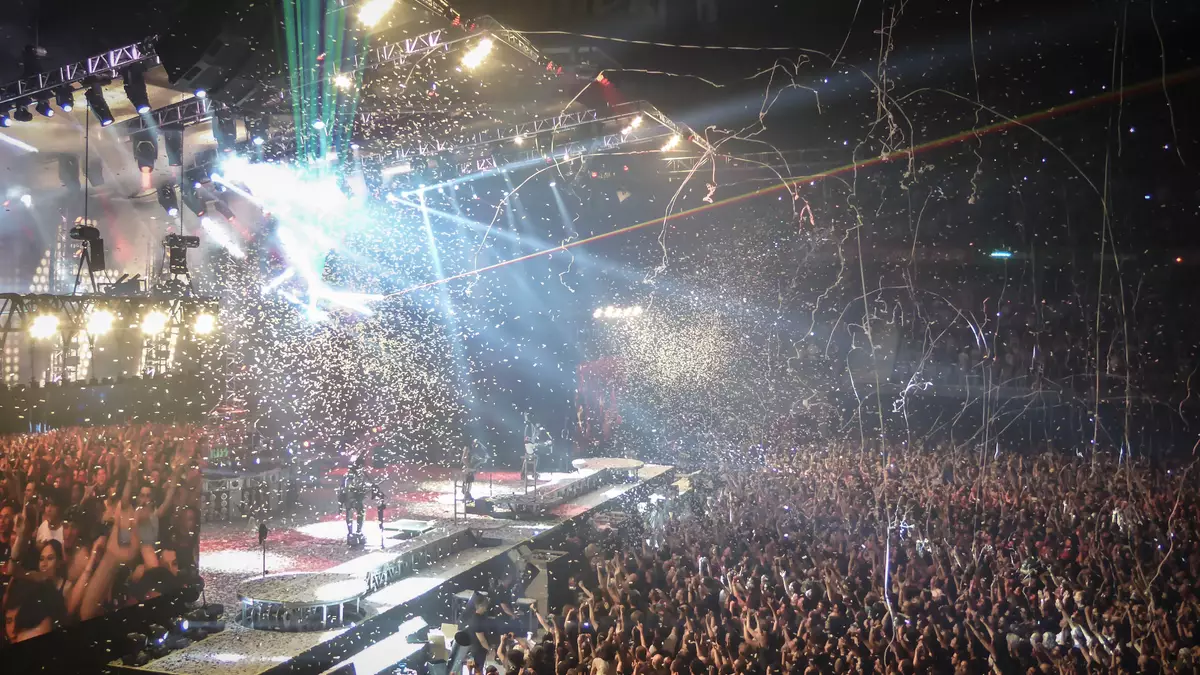
The name Lenny Kravitz still lands with the impact of a power chord: Lenny Kravitz as a musician, performer, and style icon bridges classic rock, soul, funk, and pop in a way few artists of his generation can match.
Lenny Kravitz and why Lenny Kravitz still matters now
Across more than three decades, Lenny Kravitz has carved out a singular place in popular music, channeling the analog warmth of seventies rock and soul through a contemporary lens. Born in New York City and raised partly in Los Angeles, he grew up surrounded by showbusiness energy and the sounds of Motown, psychedelic rock, and funk. That early immersion in music history shaped an artist who treats genre not as a boundary but as a set of colors on an endless palette.
Kravitz is best known to mainstream audiences for crossover hits like Are You Gonna Go My Way, It Ain't Over 'Til It's Over, and Fly Away, songs that have become staples of rock radio and film soundtracks. Yet his career runs much deeper than the familiar singles. He is a multi-instrumentalist, producer, and songwriter who often plays guitar, bass, drums, and keyboards on his own records, sculpting a sound that is at once retro and forward-looking. According to profiles in outlets such as Rolling Stone and The Guardian, that relentless hands-on approach has become a defining trait, allowing him to maintain a coherent aesthetic even as he experiments with new textures and collaborators.
Today, at a point where many of his early nineties peers have faded from the spotlight, Kravitz remains an active creative force and a touring draw. His catalog continues to be rediscovered by younger listeners on streaming services, while his live shows underline his reputation as a charismatic frontman backed by a muscular, soul-infused rock band. For fans and newcomers alike, revisiting the arc of Lenny Kravitz reveals how a single artist can keep classic rock traditions alive while refusing to become a museum piece.
From New York roots to global breakthrough
Lenny Kravitz was born in 1964 to television producer Sy Kravitz and actor Roxie Roker, best known for her work on the sitcom The Jeffersons. Growing up as the child of entertainment professionals gave him both access to creative circles and a firsthand view of the work required to sustain a career. The family moved between New York and Los Angeles, and Kravitz absorbed sounds ranging from the church choirs he sang in as a child to the hard rock and funk records spinning in his household.
After a period of searching for his musical identity in the 1980s, including time performing under the name Romeo Blue, he re-embraced his own name and set about making a debut album that reflected his full range of influences. That record, the 1989 studio album Let Love Rule, introduced the world to an artist who combined Beatles-inspired melodies, psychedelic textures, and socially aware lyrics. Reviews in established music magazines noted the way Kravitz nodded to the past while maintaining a personal voice, a balance that would become his calling card.
The breakthrough moment arrived with his third album, Are You Gonna Go My Way, released in 1993. The title track, powered by a riff that felt instantly iconic, became a global hit and a staple of MTV rotation. The album expanded his audience worldwide and established him as a festival headliner across Europe and North America. Over the next decade, Kravitz built on that success through relentless touring and a steady stream of singles that blended guitar-driven rock with soul and pop hooks.
Throughout the 1990s and early 2000s, he also became a sought-after collaborator and songwriter for other artists. He worked with acts across genres and even recorded covers that demonstrated his reverence for rock and R&B history. These moves reinforced his position not just as a solo star, but as a musician deeply rooted in the broader story of popular music.
The signature Lenny Kravitz sound and key albums
Kravitz's sound is often described as a fusion of classic rock, soul, funk, and psychedelic pop, but that shorthand only hints at the detail in his arrangements. On many of his records he plays the majority of instruments himself, layering fuzz-toned guitars, thick bass lines, live drums, and vintage keyboard tones into dense but breathable mixes. His use of analog recording techniques and vintage gear is frequently mentioned in interviews and studio features, underscoring his commitment to organic sound.
Vocally, he draws from soul and gospel traditions, favoring a warm, slightly husky tone that can rise into a controlled falsetto. That voice is central to songs like It Ain't Over 'Til It's Over, a 1991 single that channels classic soul balladry with string arrangements and a laid-back groove. Meanwhile, tracks such as Are You Gonna Go My Way showcase his rock frontman persona, all grit and swagger over a relentless guitar motif.
Across his discography, several albums stand out as milestones:
- Let Love Rule (1989): His debut LP, introducing his blend of rock, soul, and psychedelia and establishing the themes of love, spirituality, and social awareness that run through his work.
- Mama Said (1991): A more introspective follow-up that deepened his songwriting, with standout tracks that explore heartbreak and personal growth.
- Are You Gonna Go My Way (1993): The commercial breakthrough, anchored by its explosive title track and a set of songs that turned him into a global rock star.
- 5 (1998): A late nineties pivot that incorporated electronic textures and yielded the Grammy-winning hit Fly Away, helping Kravitz adapt to new sonic trends.
- Lenny (2001) and Baptism (2004): Records that leaned into guitar rock and personal reflection, reinforcing his reputation as a touring force.
- Later albums in the 2010s and beyond: Releases that continued to refine his core sound while exploring fresh lyrical themes and production ideas.
According to chart data from sources such as Billboard and the Official Charts Company, multiple Lenny Kravitz albums and singles have reached high positions on rock and mainstream charts in the United States and internationally. His track Fly Away, for instance, became one of his best-known songs worldwide and significantly boosted the album 5 in several markets. While exact chart placements and certifications vary by territory and era, the consistent presence of his music across radio, television, and streaming platforms underscores his enduring reach.
Another crucial dimension of Kravitz's artistry is his visual presentation. Music videos, album art, and stage design all reflect a carefully curated aesthetic rooted in seventies bohemian glamour, rock star attitude, and Afrocentric style. His flair for fashion has led to collaborations with designers and features in fashion-focused media, extending his influence beyond music into wider pop culture.
Lenny Kravitz today: catalog, touring, and ongoing evolution
Even in an era where music consumption is dominated by playlists and viral moments, Lenny Kravitz operates with the long-view mindset of an album artist and road-tested performer. His catalog continues to be reissued, remastered, and rediscovered, drawing in listeners who may first encounter a song on a movie soundtrack, a commercial, or a curated streaming playlist before diving deeper.
In recent years, industry coverage in outlets including Billboard and Variety has highlighted Kravitz's continued presence on festival bills and his ability to sell tickets as a headliner across multiple continents. His official website, along with announcements from promoters and venues, typically provides the most up-to-date information on where he will perform next. Whenever a new run of shows is unveiled, it tends to span both legacy markets where he has long held a fanbase and cities where a younger audience has grown up streaming his hits.
Onstage, Kravitz remains known for expansive sets that blend crowd-pleasing classics with deeper cuts and newer material. He often stretches songs into extended jams, giving space to his bandmates for solos and call-and-response exchanges with the audience. Reviewers from major newspapers and music magazines frequently note the communal feel of these performances, where multi-generational crowds sing along to choruses that have been part of the cultural fabric for decades.
In the studio, Kravitz continues to refine his craft, balancing analog warmth with selective use of contemporary production techniques. While the music landscape around him has shifted repeatedly, he has largely resisted chasing trends, instead filtering them through his own sensibility when they do appear in his work. That approach gives his newer songs continuity with his early material while allowing room for surprise.
For fans trying to follow his current activities, paying attention to official channels and reputable music news outlets is key. Announcements about fresh releases, special editions of classic albums, or new collaborations often surface first through official statements and are then amplified by established publications. This ecosystem helps keep Kravitz's work in circulation not just as nostalgia, but as a living, evolving body of music.
- Classic era: The early 1990s, when albums like Mama Said and Are You Gonna Go My Way positioned him as a central figure in rock's post-classic era.
- Expansion phase: The late 1990s and early 2000s, when he embraced new production tools and consolidated his status with mainstream hits.
- Legacy building: The years that followed, marked by consistent touring, new albums, and deeper catalog exploration on streaming platforms.
This broad arc illustrates how a musician can navigate changing industry landscapes without losing the core of what makes their art compelling.
Cultural impact, influence, and the Kravitz legacy
Lenny Kravitz's impact extends beyond chart numbers and ticket sales. As a Black artist working explicitly within the language of classic rock while also drawing on soul and funk, he has complicated and expanded mainstream perceptions of what rock looks and sounds like. His success has often been cited in discussions about diversity within rock scenes and festival lineups, and he has served as a reference point for younger artists who blend guitars with groove-driven rhythm sections.
Critics from publications such as Rolling Stone, NME, and The New York Times have at various points praised his ability to pay homage to heroes like Jimi Hendrix, Led Zeppelin, and Curtis Mayfield without sinking into mere imitation. Instead, Kravitz pulls threads from those influences into a personal tapestry, weaving in his own experiences and the sensibilities of the eras he passes through. Even reviews that are more mixed tend to acknowledge his craftsmanship and sense of sonic detail.
In terms of awards, Kravitz has received multiple honors from major institutions, including several Grammys in rock categories, underscoring the respect he commands within the industry. These accolades, recorded in the databases of organizations such as the Recording Academy and reflected in coverage by Billboard and other trade outlets, highlight the extent to which he has shaped mainstream rock over time.
His cultural presence reaches into film, television, and fashion. Kravitz has appeared as an actor in high-profile movies and has contributed music to soundtracks that introduced his songs to new audiences. His distinctive look, often featuring leather, denim, scarves, and bold jewelry, has been widely imitated and celebrated in style magazines and fashion campaigns. In interviews, he frequently frames his aesthetic choices as extensions of the same creative impulse that drives his songwriting and production.
Among musicians, Kravitz's legacy is visible in the work of artists who blend rock riffs with soulful vocals and groove-heavy rhythm sections. Guitar-driven pop and rock acts that emerged in the late 1990s and 2000s often cited his blend of retro and modern sensibilities as a template. The ongoing use of his songs in films, TV series, sports broadcasts, and advertising ensures that new generations continue to encounter his work in everyday cultural contexts.
Fan culture around Kravitz is equally notable. Longtime listeners often speak of his music as a soundtrack to key life moments, from teenage discovery of rock to adult experiences of love, loss, and resilience. Message boards, social media communities, and fan-led projects document live shows, share rare recordings, and trace the evolution of songs across tours. This participatory ecosystem has helped preserve live memories and deepened the connection between Kravitz and his audience.
Lenny Kravitz online: social media and streaming presence
In the digital era, Lenny Kravitz's reach extends across social media platforms and streaming services, where longtime fans and curious newcomers can explore his catalog and keep up with official updates.
Lenny Kravitz – Reactions, fan conversation, and streams across the web:
Across these platforms, official accounts share tour clips, behind-the-scenes footage from the studio, archival photos, and glimpses of Kravitz's life away from the stage. User-generated content ranges from guitar covers and vocal reinterpretations of his songs to reaction videos and long-form essays about his albums. On streaming services, curated playlists dedicated to his hits, deep cuts, and collaborations make it easy to trace his evolution from the raw energy of Let Love Rule to the more polished productions of later albums.
Engagement with fans is an important part of Kravitz's modern presence. While he has always projected a certain mystique, he also uses social media to express gratitude to audiences, highlight charitable causes, and spotlight fellow artists he admires. This balance of distance and connection helps maintain his aura as a classic rock star while making him accessible to listeners who primarily experience music through their phones and laptops.
Frequently asked questions about Lenny Kravitz
Who is Lenny Kravitz and what makes his music distinctive?
Lenny Kravitz is an American singer, songwriter, multi-instrumentalist, and producer whose work blends classic rock, soul, funk, and psychedelic pop. His music is distinguished by warm analog tones, riff-driven guitars, and soulful vocals, often performed over arrangements that he plays and produces himself. Themes of love, spirituality, and personal freedom recur throughout his songs, creating a coherent identity across decades of releases.
Which Lenny Kravitz albums are essential starting points?
Listeners discovering Lenny Kravitz for the first time often begin with Let Love Rule, his 1989 debut that sets out his core sound, and Are You Gonna Go My Way, the 1993 breakthrough that delivered some of his most famous rock anthems. The album 5 showcases his willingness to experiment with electronics and yielded the worldwide hit Fly Away, while later records highlight his continued growth as a songwriter and producer. Exploring these albums provides a strong foundation before diving into deeper cuts and live recordings.
How has Lenny Kravitz influenced rock and pop music?
Kravitz has influenced rock and pop by demonstrating how a modern artist can draw openly from past eras without becoming purely nostalgic. His integration of soul and funk elements into guitar-based songs helped broaden the palette of mainstream rock in the 1990s and beyond. Many younger musicians cite his mix of retro aesthetics, meticulous production, and genre-crossing songwriting as a model for building long-term careers.
What is the best way to experience Lenny Kravitz live today?
The best way to experience Lenny Kravitz live is to follow official announcements through his website and major ticketing and promoter channels, then see him with his full band in a theater, arena, or festival setting. His performances typically feature extended versions of key songs, dynamic lighting, and a setlist that balances hits with fan favorites and newer material. Reviews in established outlets often emphasize the energy and communal spirit of his shows, which can make even large venues feel intimate.
Where can I keep up with Lenny Kravitz news and tour information?
To stay informed about Lenny Kravitz, including any new projects and touring plans, it is best to track updates from his official site, social media profiles, and reputable music news organizations. Major releases and tour announcements are usually confirmed through official statements and then reported by outlets such as Billboard, Variety, and leading newspapers. Checking multiple sources ensures that information is accurate and current.
More Lenny Kravitz coverage on AD HOC NEWS
For readers who want to dive deeper into Lenny Kravitz's ongoing story, including future album cycles, tour legs, anniversaries of classic releases, and notable collaborations, AD HOC NEWS will continue to follow developments closely and contextualize them within the broader evolution of rock and pop.
More coverage of {ARTIST_NAME} on AD HOC NEWS:
Read more about Lenny Kravitz on AD HOC NEWS ->Browse all stories about {ARTIST_NAME} on AD HOC NEWS ->
As streaming-era audiences continue to embrace catalogs that blur the boundaries between decades and genres, Lenny Kravitz's work stands as a bridge between eras. His commitment to live performance, analog craft, and emotionally direct songwriting keeps his music resonant, whether it is blasting from a festival PA system or playing through a pair of headphones late at night. For an international audience seeking a deeper understanding of how rock and pop can evolve without losing their roots, his career offers a rich case study and a powerful soundtrack.


