
Massive Attack’s live legacy and future era
Published on 06/15/2026 at 14:29 | Editorial responsibility: Rafael Müller, Editor-in-Chief AD HOC NEWS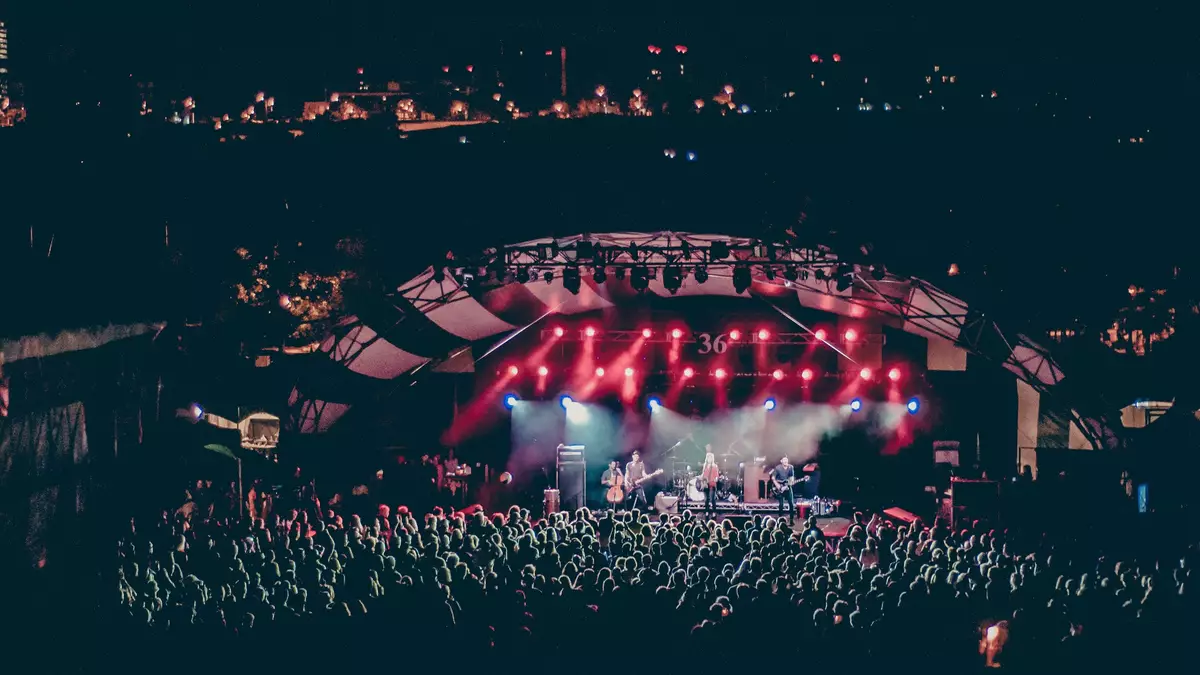
Massive Attack came out of Bristol with a sound that felt like a dimly lit warehouse at 3 AM, and three decades later the collective still casts a long shadow over electronic and rock-adjacent music worldwide.
Chart moments that framed Massive Attack
For many US listeners, Massive Attack entered the frame when the single Unfinished Sympathy began circulating as an import in the early 1990s, signaling that something new was happening in British club culture.
The track mixed strings, hip-hop drums, and soul vocals into a dramatic arc that felt closer to a film score than a conventional dance single, and that sense of scale would become the band's calling card.
By the time their second album Protection arrived, Massive Attack were firmly associated with the Bristol scene that critics later tagged as trip-hop, alongside acts like Portishead and Tricky.
While US radio was slow to embrace the full albums, the group's work seeped into American consciousness through tastemaker press, college radio, and, increasingly, film and television placements.
Their third album, Mezzanine, marked a turning point, with its darker palette, heavy bass, and guitar textures that resonated with rock audiences as much as clubgoers.
Tracks like Teardrop and Angel became reference points for a generation of producers who wanted electronic music to feel ominous, cinematic, and emotionally raw rather than purely functional for the dance floor.
US chart bodies such as the Billboard 200 historically placed Massive Attack more modestly than pop blockbusters, but the band's catalog has shown long-tail streaming strength, as new listeners discover them through playlists, syncs, and word of mouth.
As of: 15.06.2026, Massive Attack remain a fixture on alternative and electronic playlists, with Mezzanine and Blue Lines routinely highlighted in critics' lists of essential albums of the 1990s.
Their commercial story has always been less about weekly chart peaks and more about sustained influence and steady discovery, a pattern that suits the group's slow, meticulous working methods.
That slow-burn appeal means their songs often re-enter the cultural conversation years after release, whether via a new TV sync or a younger artist citing them as an influence in interviews with outlets like Rolling Stone or NME.
- Blue Lines is frequently cited as a blueprint for trip-hop's fusion of hip-hop, dub, and soul.
- Protection expanded their palette with jazz-inflected and downtempo textures.
- Mezzanine brought a darker, more industrial edge that appealed to rock audiences.
- Heligoland showcased a wide range of guest vocalists and atmospheric production.
Why Massive Attack still matter to US listeners
Massive Attack occupy a rare space where they are both a musicians' band and a gateway act for casual listeners who discover them through a single song or soundtrack moment.
The collective formed in Bristol out of the Wild Bunch sound system, with key members Robert Del Naja, Grant Marshall, and Andrew Vowles emerging from the city's graffiti, hip-hop, and dub culture.
For US audiences, that background gives the band a slightly different aura than electronic acts tied solely to club scenes; Massive Attack always felt rooted in street art, punk spirit, and a DIY axis rather than glossy pop.
As publications like The Guardian and Pitchfork have noted in long-form features, the group's work often addresses political tension, surveillance, and war, even when the lyrics are oblique or the mood is primarily atmospheric.
That combination of sonic innovation and political undercurrent has made Massive Attack a touchstone the way Radiohead or Nine Inch Nails serve as touchstones in more guitar-driven spaces.
The collective's rare US tours tend to draw a cross-section of fans: electronic heads, indie-rock listeners, aging ravers, and younger fans who first encountered Teardrop or Angel via streaming algorithms.
In this sense, Massive Attack exist as part of a broad alternative canon that cuts across genre lines, connecting dots between hip-hop, post-punk, dub, ambient music, and art rock.
For American listeners weary of strict genre borders, their catalog offers a cohesive but varied listening experience, from the sparse, almost skeletal rhythms of early tracks to the dense layers of later productions.
Their influence also feeds into festival lineups, where acts indebted to Massive Attack's mood-driven, bass-heavy approach now populate stages from Coachella to niche electronic gatherings, even when the original band is not present.
In interviews over the years, Del Naja has emphasized the role of visual art and design in the project, further cementing Massive Attack as a multimedia collective rather than a traditional band.
From Bristol sound system roots to global reach
Massive Attack's story begins in the late 1980s in Bristol, England, where the Wild Bunch sound system became a local institution, blending reggae, hip-hop, and club music at parties.
Members of that crew, including Robert Del Naja (also known as 3D), Grant 'Daddy G' Marshall, and Andrew 'Mushroom' Vowles, evolved their collaboration into what would become Massive Attack.
Early singles built around sample-heavy grooves and melancholic melodies hinted at the downbeat aesthetic that would later be codified as trip-hop.
Their debut album Blue Lines introduced a full-length statement that fused rap verses, soulful hooks, and dub-style production, standing apart from both US rap records and UK rave music of the same era.
Critics quickly noted that the album felt tempo-wise too slow for nightclub peaks but emotionally dense enough for late-night listening, a quality that would define much of the group's work.
Working with vocalists like Shara Nelson and Horace Andy, Massive Attack crafted songs that felt at once intimate and expansive, with bass lines that nodded to Jamaican soundsystem culture and snare patterns that reflected hip-hop's boom-bap.
Over time, internal tensions and changing musical directions led to shifts in membership, with Vowles eventually departing; yet the project continued under Del Naja and Marshall's guidance.
Through the 1990s and early 2000s, the band became a staple of European festivals and a cult favorite in the US, where their music circulated heavily among DJs, soundtrack supervisors, and tastemakers.
Massive Attack's careful control of their catalog and visual identity, including album artwork and stage design, added to their mystique, making each new release feel like an event rather than a routine cycle.
The group also engaged with political and social causes, supporting anti-war movements and environmental campaigns, which resonated with listeners who saw them as more than just a studio project.
Over the decades, the band's output slowed, but each release and tour carried weight, reinforcing the sense that Massive Attack operates on its own timeline, separate from the streaming era's demand for constant content.
Albums, songs, and the Massive Attack sound
Massive Attack's discography is relatively compact for a group with their level of influence, and that scarcity has helped keep each album central to their narrative.
The debut, Blue Lines, laid the template with relaxed tempos, airy samples, and a blend of rap and sung vocals that felt quietly revolutionary when it landed in the early 1990s.
On Protection, the band leaned further into soulful and jazz-inflected textures, with vocalist Tracey Thorn adding a smoky intimacy that balanced the record's more rhythmically insistent tracks.
Mezzanine, often considered their masterpiece, introduced heavier guitar work, distorted bass, and murkier atmospheres that blurred the lines between electronic production and rock dynamics.
The album's signature tracks, including Angel, Teardrop, and Inertia Creeps, became staples of late-1990s alternative culture, appearing in films, television shows, and countless DJ sets.
Later work like 100th Window and Heligoland continued to tweak the formula with different vocal collaborators and more overtly digital textures, but the core Massive Attack aesthetic remained: slow-burning tempos, sub-heavy low end, and an atmosphere thick with tension.
The group's production style is often built on minimal yet carefully chosen elements: a single drum loop with subtle variations, a haunting melodic motif, and vocals that sit slightly submerged in the mix, creating a sense of distance.
Producers and engineers associated with their work, and the Bristol scene more broadly, have spoken about the importance of space and echo in the Massive Attack sound, drawing from dub traditions as much as electronic experimentation.
In the early 2000s and beyond, younger acts in genres as varied as indie rock, R&B, and experimental hip-hop cited Massive Attack as an influence, with artists referencing albums like Mezzanine in interviews with outlets such as Pitchfork and Rolling Stone.
Part of the band's enduring appeal is that their songs reward deep listening: the details in the background, from whispered vocal fragments to distant reverb tails, often reveal themselves only after repeated plays.
At the same time, Massive Attack tracks can function as moody backdrops for everyday life, which has made them perennially popular on study, late-night, and atmospheric playlists across streaming services.
How Massive Attack shaped culture and scenes
Massive Attack's impact extends far beyond their discography, influencing visual culture, festival programming, and the sound of subsequent generations of artists.
In live performance, the group has been known for integrating large-scale LED screens, data visualizations, and political messaging into their shows, turning concerts into multimedia commentary on surveillance, climate change, and global conflict.
This approach positioned them alongside other politically engaged artists in the rock and electronic spheres, even when their lyrics remained fragmented and impressionistic.
Culturally, the term trip-hop became shorthand in the 1990s for a mood of smoky, downbeat, sample-rich music, and Massive Attack were regularly cited, along with Portishead, as defining figures of that sound.
Even after the label fell out of fashion, the aesthetic persisted in film and TV scoring, advertising, and video game soundtracks, with many composers acknowledging a debt to Massive Attack's slow-building dynamics and bass-driven tension.
In the US, their influence is audible in acts that combine electronic textures with rock or indie songwriting, from early 2000s alternative bands to contemporary R&B and pop artists who favor brooding atmospheres.
The band's work has also found a second life in sample culture, with producers incorporating fragments of Massive Attack tracks into new compositions, further blurring the lines between source and influence.
Critically, albums like Blue Lines and Mezzanine often appear in lists of the greatest records of the 1990s and of all time, compiled by publications such as NME, Rolling Stone, and The Guardian, cementing their canonical status.
Beyond music, Robert Del Naja's background in graffiti and visual art has led to speculation and debate about his role in broader street-art movements, underscoring how intertwined Massive Attack are with visual culture.
For fans and critics alike, the group's career demonstrates how a project born from local sound-system culture can reshape global ideas about what pop, rock, and electronic music can sound like.
Questions fans ask about Massive Attack
What kind of music do Massive Attack make?
Massive Attack are often associated with the term trip-hop, a label pinned on early 1990s Bristol acts that fused hip-hop beats, dub bass, and atmospheric samples at slower tempos.
Over time, their music has incorporated elements of electronic, rock, dub, and ambient, making them less a single-genre act and more a mood-driven collective.
Which Massive Attack album is the best starting point?
For many listeners, Mezzanine is the most immediate entry point, thanks to standouts like Teardrop and Angel that have permeated film, TV, and playlists.
Others prefer to start with Blue Lines, which captures the group's early fusion of rap, soul, and dub and sets the foundation for everything that came after.
How have Massive Attack influenced modern artists?
Modern artists across alternative, electronic, and R&B scenes often point to Massive Attack's use of space, bass, and mood as a key influence.
From indie bands adopting slow-building dynamics to producers crafting nocturnal, bass-heavy soundscapes, echoes of Massive Attack's approach can be heard in many contemporary releases.
Massive Attack across platforms and playlists
Massive Attack's catalog continues to find new life on streaming services and social platforms, where classic tracks and live footage circulate alongside fan-made edits and commentary.
Massive Attack – moods, reactions, and trends across social media:
Further reading and listening on Massive Attack
More coverage of Massive Attack at AD HOC NEWS and elsewhere:
Read more about Massive Attack on the web -> Search all Massive Attack coverage at AD HOC NEWS ->


