Micron's Rally Gathers Steam on Dell's AI Boom, But Samsung's Memory Offensive Looms
Published on 05/30/2026 at 06:21 | Redaktion boerse-global.de
Dell Technologies lit a fire under Micron shares on Friday, sending the memory chip maker’s stock to a fresh 52-week high. The server giant reported quarterly revenue from its AI-focused infrastructure unit of $16.1 billion, eclipsing its traditional PC business for the first time. Dell’s chief operating officer confirmed that supply constraints — especially around memory chips — remain acute, with customers securing long-term delivery contracts and Dell passing on higher component costs through price increases.
The news pushed Micron to a closing price of €833.10, a gain of roughly 5% on the day. For the week, the stock surged 28.69%, more than doubling from its late-March lows around €304. The year-to-date return now stands at approximately 210%.
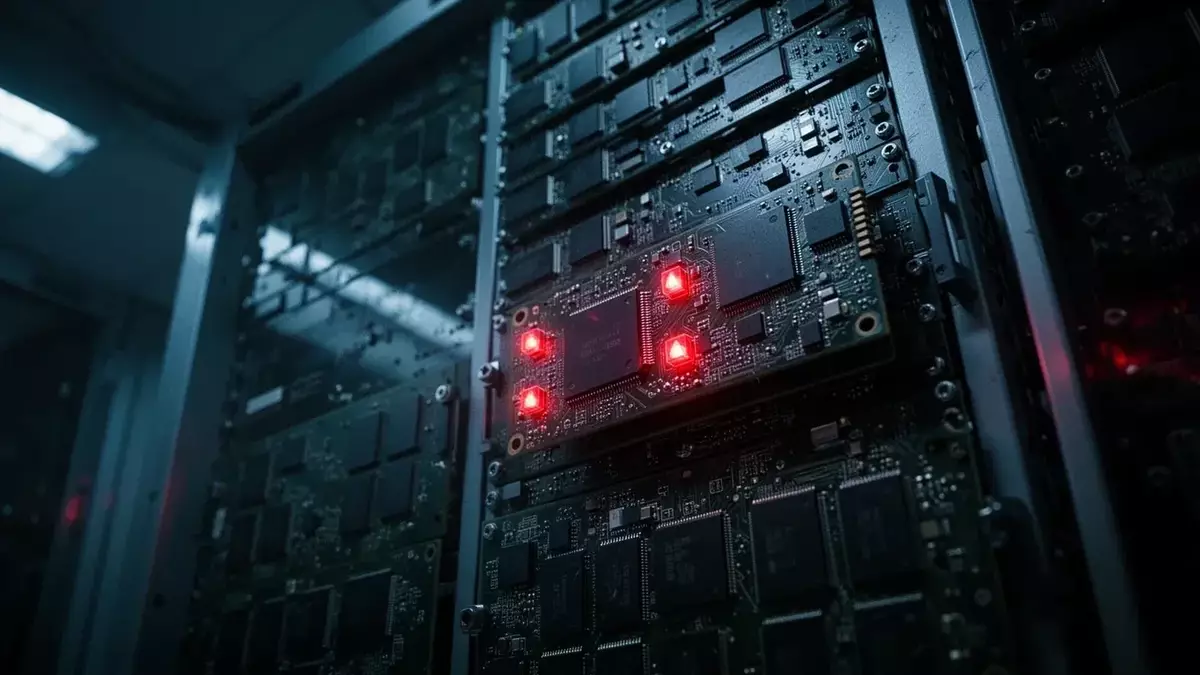
Yet even as demand from hyperscalers and server OEMs fans the rally, a competitive storm is brewing at the high end of the memory market. Samsung has begun shipping samples of its next-generation 12-layer HBM4E memory, which it claims is over 20% faster than the current HBM4 generation. The chips combine Samsung’s most advanced DRAM process with a 4-nanometer logic base die, and the timing — just three months after the company started delivering HBM4 — suggests an accelerated push to win qualification at key AI customers.
Currently, SK Hynix dominates the high-bandwidth memory segment with a 57% market share, according to Counterpoint Research, while Samsung holds 22% and Micron 21%. Analysts at KB Securities and Jefferies have warned that if Samsung succeeds in qualifying HBM4E, the current balance of power could shift, putting pressure on Micron’s most lucrative product line.
Should investors sell immediately? Or is it worth buying Micron?
That risk has not deterred the bulls. Susquehanna raised its price target on Micron from $600 to $1,750, maintaining a Positive rating. The firm’s thesis rests on a structural supply shortage: DRAM and NAND capacity is expected to remain tight through at least 2027, supporting both selling prices and margins. Susquehanna’s analysts noted that DRAM average selling prices climbed 50% to 60% sequentially in the second calendar quarter, with NAND also posting solid gains. The upgrade reflects a sweeping reassessment of earnings power across the memory industry.
Meanwhile, FTSE Russell reclassified Micron from Value to Growth during its June reconstitution, a move that does not change fundamentals but can attract passive capital flows from growth-focused index funds.
Technically, the stock is showing mixed signals. One measure of relative strength reads 66 — elevated but still below the classic overbought threshold of 70. A separate RSI reading stands at 31.4, a divergence that underscores how rapidly the recent price action has scrambled conventional indicators. The 50-day moving average sits at €483.26 and the 200-day average at €291.82, both far below the current level, leaving the stock extended but without immediate overhead resistance beyond Friday’s intraday high of roughly $981.
Micron at a turning point? This analysis reveals what investors need to know now.
All eyes now turn to June 24, when Micron reports fiscal third-quarter earnings. The company has guided for revenue of $33.5 billion, a gross margin of about 81%, and non-GAAP earnings per share of $19.15. Those numbers will serve as the first hard test of whether the AI memory supercycle can sustain its current momentum — and whether the market will continue to price in tight supply for years to come, or begin to discount the competitive threats that Samsung is now accelerating.
Ad
Micron Stock: New Analysis - 30 May
Fresh Micron information released. What's the impact for investors? Our latest independent report examines recent figures and market trends.
Disclaimer regarding our articles: No investment advice, no buy or sell recommendation. Information on prices, companies, and markets is provided without guarantee; changes are possible at any time. Stock market transactions can lead to substantial losses. Our articles are created and reviewed in whole or in part automatically with the support of AI.