Micron Technology stock holds firm as memory demand underpins long-term growth story
Veröffentlicht: 15.07.2026 um 21:10 Uhr, Redaktion AD HOC NEWS, Redaktionelle Verantwortung: Rafael Müller (Chefredaktion)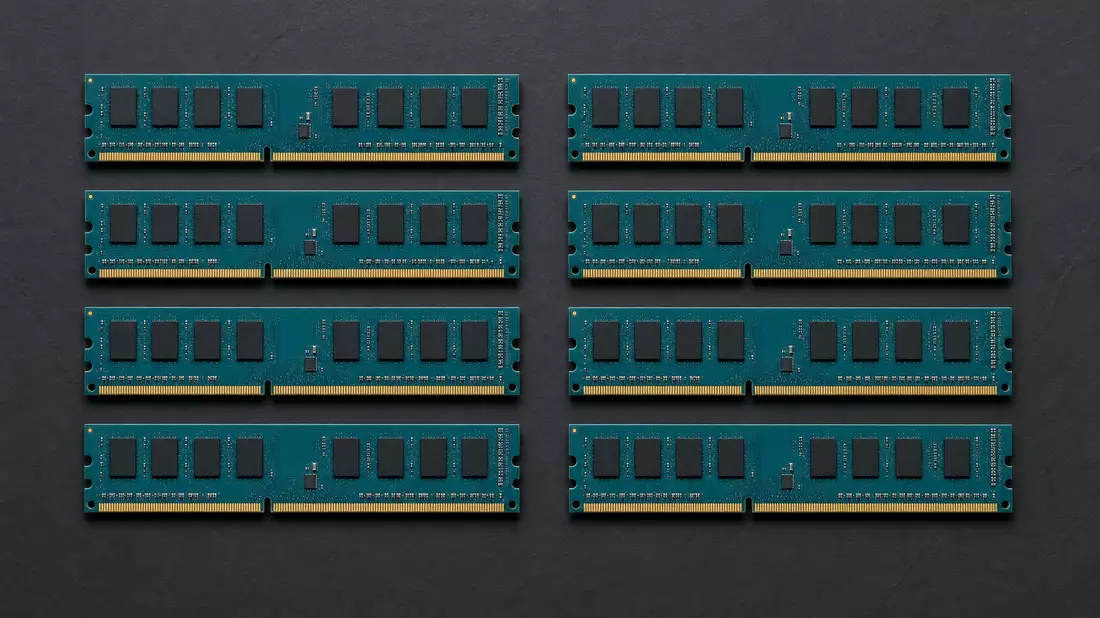
Micron Technology stock represents one of the major pure-play exposures to the global memory industry, with the company operating as a leading supplier of DRAM and NAND products used in data centers, personal computers, smartphones, automotive systems, and industrial applications. As a US-based semiconductor manufacturer with a primary listing on Nasdaq, the company sits at the intersection of cyclical memory pricing and structurally rising demand for data storage and high-bandwidth memory used in artificial intelligence and cloud workloads. For many investors, the long-term question is how Micron balances the volatility of the memory cycle with disciplined capital spending and a focus on higher-value solutions.
Micron's position in the memory cycle
Micron Technology competes in a highly consolidated global memory market, where a small number of large manufacturers supply DRAM and NAND products to customers worldwide. These markets tend to move in pronounced cycles, characterized by periods of tight supply and rising prices followed by phases of oversupply and margin pressure. As a result, Micron's revenues, profitability, and cash flows can fluctuate significantly from one phase of the cycle to the next, even when underlying end-demand for data and storage continues to grow over time.
Over the past decade, memory manufacturers have become more disciplined about capital expenditures and capacity additions, seeking to moderate the most extreme swings in supply that historically led to sharp price collapses. For Micron Technology stock, this discipline is a key structural factor: the company can benefit from industry-wide efforts to align production more closely with demand, which can help support pricing and margins during periods of slower growth. At the same time, investors must recognize that memory remains a commodity-like market in many segments, which means that pricing and inventory dynamics can still shift quickly when macroeconomic conditions or customer order patterns change.
AI, cloud, and data center demand as structural drivers
One of the most important structural themes for Micron Technology is the growth of data center and cloud computing infrastructure, especially as artificial intelligence workloads require increasingly large and fast memory systems. Modern AI training and inference rely heavily on high-bandwidth memory and fast storage to feed data into accelerators and processors efficiently. As hyperscale data center operators and enterprise customers expand their AI and cloud footprints, demand for advanced DRAM and NAND solutions tends to rise, supporting Micron's long-term addressable market.
From an investor perspective, this creates a nuanced picture. While memory is still cyclical, the share of Micron's revenue tied to data center and AI-related applications has been increasing over time, gradually shifting the company's mix toward markets that are expected to grow faster than traditional PC or smartphone shipments. That shift can potentially improve the quality of Micron Technology stock's earnings over a full cycle by anchoring more of its business in segments with secular demand growth, even if quarterly results remain sensitive to inventory adjustments and pricing trends.
More on Micron Technology stock and its memory cycle exposure
Investors can follow company filings and updates to track how Micron manages capacity, capital expenditures, and product mix as demand evolves across data center, PC, mobile, and automotive markets.
Exposure to PCs, smartphones, and automotive
Beyond data centers and AI infrastructure, Micron maintains significant exposure to personal computers, smartphones, and other consumer devices that rely on DRAM and NAND for system memory and storage. PC and smartphone cycles historically have a strong influence on the memory market, since these devices account for a meaningful share of industry bit demand. When consumer demand for new devices is strong, manufacturers tend to order more memory components, tightening supply and supporting pricing. Conversely, slowdowns in device shipments can lead to inventory corrections that weigh on memory prices and margins.
In recent years, the automotive and industrial segments have become increasingly important for Micron. Modern vehicles, particularly those with advanced driver-assistance systems and growing infotainment capabilities, require more memory and storage than older models. This creates an additional, somewhat less cyclical demand driver, because automotive production tends to follow its own patterns and is influenced by regulatory trends, electrification, and technology adoption within vehicles. For Micron Technology stock, a rising share of revenue from automotive and industrial customers can add some diversification compared to the more volatile PC and smartphone markets.
Capital intensity, margins, and balance sheet considerations
Memory manufacturing is capital-intensive, requiring substantial investments in fabrication facilities, equipment, and process technology to produce competitive DRAM and NAND products. Micron devotes a large portion of its cash flow to capital expenditures, both to maintain existing capacity and to introduce more advanced nodes and architectures that improve performance and cost per bit. The timing and scale of these investments have a direct impact on the company's free cash flow and leverage profile across the cycle.
Investors analyzing Micron Technology stock often pay close attention to gross margins and operating margins as indicators of where the company stands in the memory cycle. When demand is strong and pricing is firm, Micron can expand margins by operating fabs at high utilization and selling a larger share of high-value products. During down-cycles, margin pressure can intensify as customers reduce orders and average selling prices face headwinds. The company's ability to manage costs, optimize product mix, and delay or adjust capital spending becomes critical in these periods, as does maintaining a solid balance sheet with adequate liquidity to navigate weaker conditions until demand recovers.
Representative Micron product: Crucial consumer memory
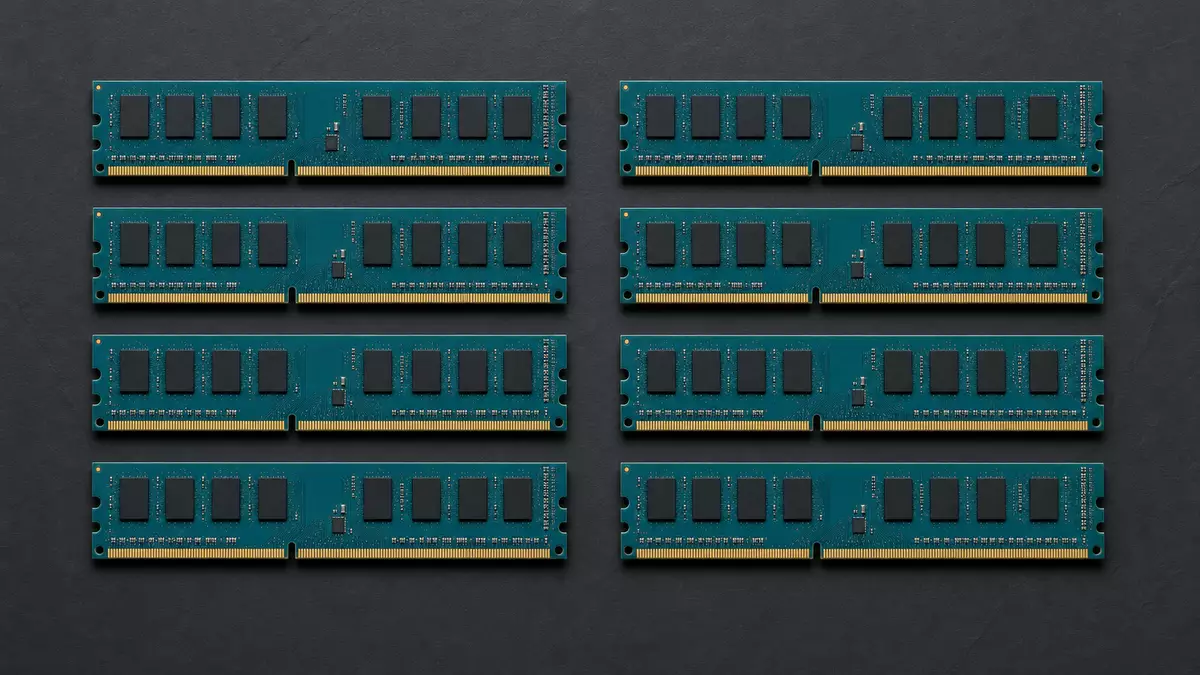
Micron markets many of its consumer-facing DRAM and SSD products under the Crucial brand, which targets PC users, gamers, and small businesses seeking reliable memory and storage upgrades. These products typically leverage Micron's own DRAM and NAND technology, packaged in formats such as DDR memory modules and solid-state drives compatible with desktop and notebook systems. By offering both mainstream and performance-oriented options, Crucial allows the company to capture value not only from large OEM customers but also from do-it-yourself enthusiasts and smaller system builders who purchase components directly through retail and online channels.
Micron Technology stock on Nasdaq
Micron Technology stock trades on Nasdaq in the United States, giving global investors straightforward access to one of the key names in the memory and storage industry. The listing places Micron alongside many other large semiconductor companies and makes it a component of widely followed US equity benchmarks used by institutional and retail investors. For portfolio managers, the stock provides direct exposure to DRAM and NAND pricing dynamics, as well as to the long-term expansion of data-intensive applications ranging from AI and cloud services to automotive electronics and connected devices.
Micron Technology at a glance
- Company: Micron Technology Inc.
- ISIN: US5951121038
- Ticker: MU
- Exchange: Nasdaq
- Sector / Industry: Semiconductors - Memory and storage
- Index membership: Major US semiconductor and technology benchmarks
- Next earnings date: Next quarterly report typically follows a regular cadence set by the company
Disclaimer zu unseren Artikeln: Keine Anlageberatung, keine Kauf oder Verkaufsempfehlung. Angaben zu Kursen, Unternehmen und Märkten ohne Gewähr; Änderungen jederzeit möglich. Börsengeschäfte können zu hohen Verlusten führen. Unsere Beiträge werden ganz oder teilweise automatisiert mit Unterstützung von AI erstellt und geprüft.