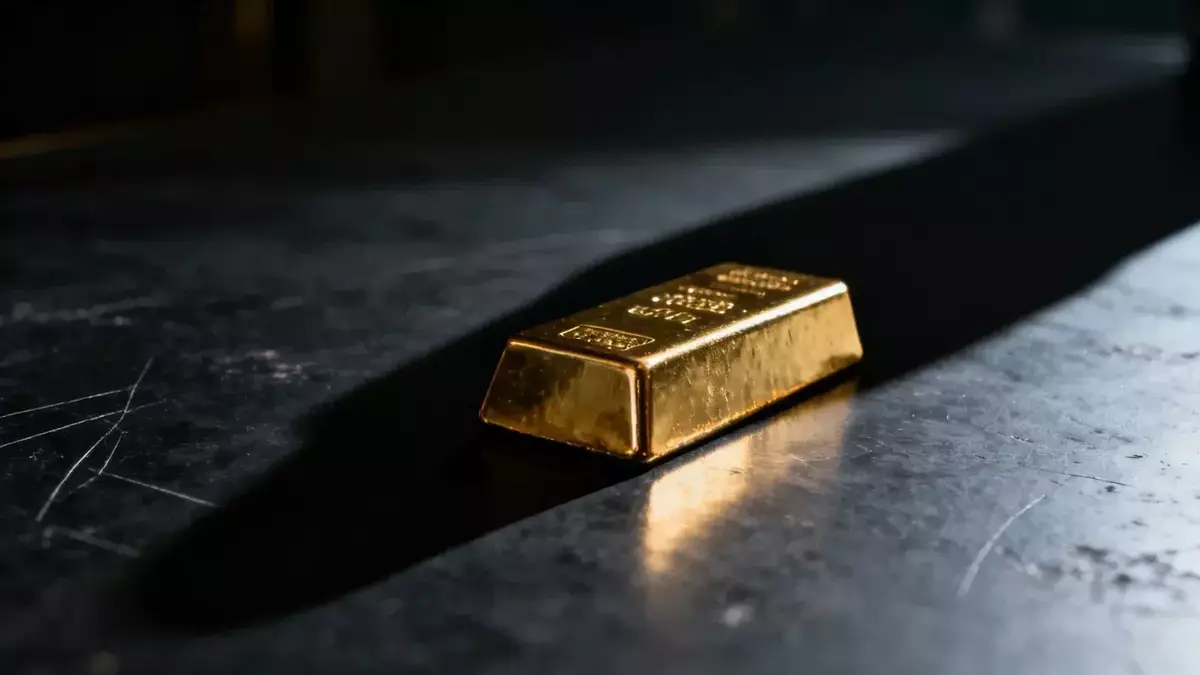
Miners Go on a $26 Billion Buying Spree as Gold Tumbles — A Bet on the Physical Market
26.06.2026 - 13:01:48 | boerse-global.de
Gold has shed roughly 28 percent of its value since hitting a record high in January, yet the world’s largest mining companies are piling into acquisitions at a pace not seen in over a decade. In the first quarter of 2026, M&A volumes across the mining sector jumped 63 percent year-on-year to $26.28 billion — the second-highest quarterly tally since data collection began in 2013. Gold accounted for more than 40 percent of all deals, with 31 of the 73 transactions targeting the yellow metal. Announced financing through mergers, equity placings and debt instruments has already topped $73 billion.
South Africa’s Gold Fields and China’s Zhaojin Mining have openly flagged their appetite for further purchases, viewing the current weakness as an entry window rather than a structural breakdown. The RSI on gold now sits at 34 — technically near oversold territory — which helps explain why producers are doubling down even as spot prices fight to stay above $4,000.
Gold was changing hands at $4,049.70 an ounce on Thursday, having briefly dipped below the psychologically critical level earlier in the week. The pressure comes from a common culprit: the Federal Reserve. Hawkish signals from chair Kevin Warsh have driven the dollar to its highest in over a year, making dollar-denominated commodities pricier for overseas buyers. Markets now price a 68 percent chance of a rate hike in September — up from 29 percent just a week earlier — and an 80 percent probability of a move in December.
The May PCE data offered some relief, with the headline reading at 4.1 percent and the core measure at 3.4 percent year-on-year. Both remain well above the Fed’s 2 percent target, leaving little room for dovish bets.
Should investors sell immediately? Or is it worth buying Gold?
Central banks are moving in the opposite direction. Global net purchases hit 244 tonnes in the first quarter, up 3 percent from a year earlier, and China’s central bank has added to its reserves for 18 consecutive months. The buying continued in April with an additional 17 tonnes. Russia is the outlier: it sold 6 tonnes in April, marking the fourth straight month of net disposals, bringing the year-to-date total to 22 tonnes as rising war costs and budget deficits mount. These sales are large in dollar terms but too small to move the market directly.
The disconnect between paper and physical markets is stark. Western ETF holders have been net sellers, while physical demand hit a record 1,231 tonnes in the first quarter — the highest January-to-March figure on record. Private investment was the strongest driver. The result is a market where the same macro forces that depress prices also attract buyers who see long-term value.
Other commodities tell a similar but more extreme story. Silver has plunged 52 percent from its January peak, with monthly losses of 26 percent, squeezed by the same dollar and rate fears amplified by margin-call liquidations in tech stocks. Oil has also suffered: Brent crude fell to $75.20 a barrel on Thursday, and WTI slipped below $70 for the first time since early March as Gulf shipping normalizes. Copper stands out as the resilient outlier, trading at $6.14 a pound, barely 2.6 percent lower on the month, buoyed by structural demand from renewables and the looming Section 232 tariff decision on June 30.
Gold at a turning point? This analysis reveals what investors need to know now.
For gold, the divergence between the dwindling paper price and the flurry of physical buying by central banks and mining companies creates a tense standoff. The Fed remains the dominant near-term driver, but the record M&A activity suggests that industry insiders see the current pullback as a buying opportunity, not a trend reversal. The next batch of employment and inflation data will determine whether that bet pays off or gets buried under another round of dollar strength.
Ad
Gold Stock: New Analysis - 26 June
Fresh Gold information released. What's the impact for investors? Our latest independent report examines recent figures and market trends.