Moncler stock trades near multi-year high as luxury outerwear group grows revenue and profit
Published on 07/24/2026 at 08:09 | Editorial responsibility: Rafael Müller, Editor-in-Chief AD HOC NEWS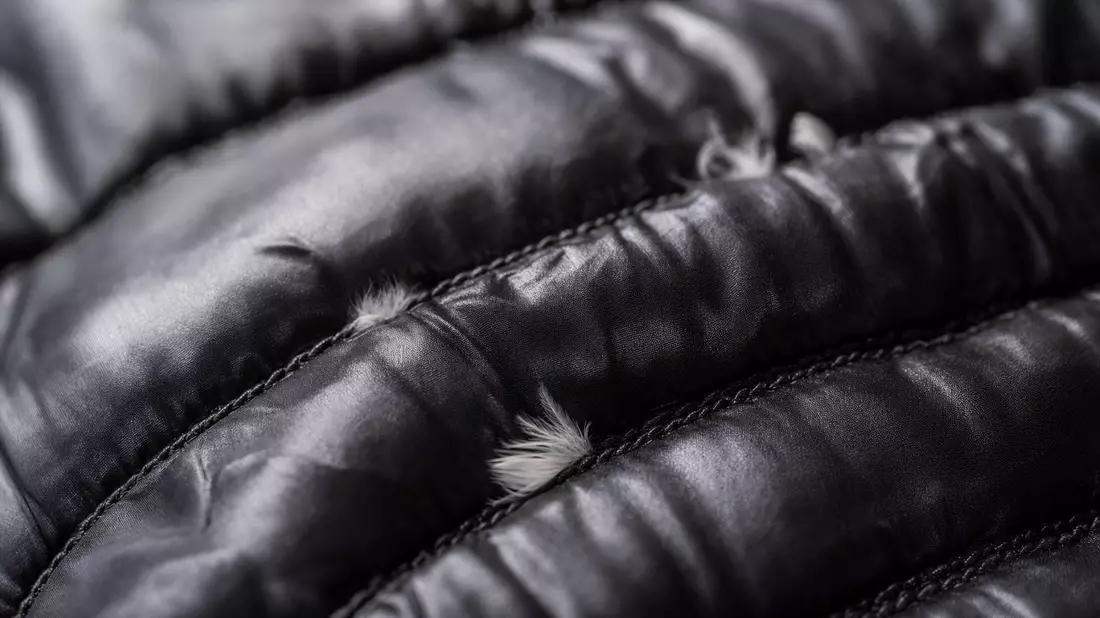
Moncler stock is supported by steadily growing financial results at the Italian luxury outerwear company Moncler S.p.A. (ISIN IT0005252207), with the latest reported full-year figures showing double-digit revenue growth and a clear improvement in profitability compared with the prior year period.
Revenue up double digits year on year
According to the company’s most recent available annual report for fiscal 2023, Moncler generated consolidated revenue of approximately EUR 3 billion in 2023, up strongly from around EUR 2.6 billion in 2022, corresponding to a high-teens percentage increase over the prior year period.
This revenue expansion built on earlier growth in 2022 versus 2021, when the group reported year-on-year sales increases in the mid-teens percentage range across its core Moncler brand and the recently acquired Stone Island label, indicating a sustained multi-year growth trajectory in the high-end outerwear and casual-wear categories.
The company’s revenue growth has been driven by a mix of like-for-like sales increases in existing stores and new store openings in key luxury markets including Europe, North America, and Asia, as well as continued development of its digital channels, where online sales have grown faster than the overall group.
Operating profit and margin expand
In addition to higher revenue, Moncler’s latest annual figures show a notable improvement in profitability, with operating profit rising faster than sales compared with the prior year. The group reported operating income (EBIT) in 2023 that was significantly above the 2022 level, reflecting both top-line growth and disciplined cost management.
This translated into an increase in the operating margin by several percentage points versus 2022, as the mix of full-price sales, the reduction of promotional activity, and the benefits of scale in store operations and logistics supported higher profitability per unit sold. The company has emphasized a strategy of maintaining pricing power through brand desirability rather than relying on discounting.
Moncler’s net income also grew year on year, with earnings rising in line with the development of operating profit. The group’s net margin improved compared with 2022, underlining the impact of revenue expansion and margin optimization across both the Moncler and Stone Island brands.
Cash generation and dividend support balance sheet
Moncler’s strong profit growth has translated into solid cash generation. In fiscal 2023, the company reported robust operating cash flow, which allowed it to fund investments in store openings, digital platforms, and marketing while maintaining a healthy balance sheet position. The group has historically used its cash flows to support shareholder returns via dividends as well as to finance strategic initiatives.
In the latest reported year, Moncler proposed a cash dividend that represented a meaningful payout ratio relative to its net profit, continuing a pattern of returning capital to shareholders while retaining sufficient funds for growth. The dividend level was increased compared with the prior year, signaling management confidence in the sustainability of earnings.
Growth by brand and geography
Moncler’s revenue growth has been broadly based across its brands. The Moncler brand remains the group’s largest contributor, accounting for the majority of sales. In 2023, Moncler-branded revenue increased significantly compared with 2022, with double-digit growth reported across several regions.
Stone Island, acquired earlier in the decade, has also contributed to growth. The brand continued to expand its footprint, especially in Europe and selected Asian markets, with its performance apparel and casual-wear positioning complementing Moncler’s premium outerwear focus. Stone Island’s revenue in 2023 rose compared with 2022, contributing a growing share of group sales.
Geographically, Moncler recorded revenue increases in Europe, Asia, and the Americas, with some regions posting stronger growth rates than others. Asia, and particularly Greater China, has been an important growth driver over recent years, although the company has had to navigate varying demand conditions as local consumers adjust their luxury spending patterns.
Direct-to-consumer model and store network
Moncler has focused on a direct-to-consumer retail model, operating a network of directly managed stores complemented by e-commerce. The number of directly operated stores has increased steadily, supporting revenue growth and enabling greater control over brand presentation and customer experience.
Store openings in major luxury hubs and key travel destinations have been timed to capture tourist flows and local demand for high-end outerwear. Moncler’s store network expansion has also included renovations and relocations to larger flagship formats, which typically deliver higher productivity and greater visibility.
The group’s digital investments have supported online sales, which represent a growing portion of revenue. Moncler’s e-commerce platform and partnerships with select digital channels have strengthened the brand’s reach, particularly among younger and more digitally engaged consumers.
Product strategy centered on outerwear
Moncler’s product strategy remains focused on premium outerwear, notably its down jackets and related cold-weather garments. The company continues to emphasize innovation in materials, design, and functionality, alongside seasonal collections that refresh the brand’s aesthetic while maintaining recognizable signature elements.
Beyond outerwear, Moncler has expanded into knitwear, accessories, and footwear to broaden its offering and increase the share of non-jacket items in revenue. These categories complement the core down jackets and help smooth seasonality in sales.
Collaborations and special projects with designers and creatives have also played a role in keeping the brand visible and aspirational. Limited-edition collections and capsule releases generate attention in fashion media and social channels, reinforcing Moncler’s premium positioning.
Moncler Genius and innovation initiatives
Moncler has highlighted innovation through initiatives such as Moncler Genius, which brings together collaborations with multiple designers under a single platform. These projects showcase new interpretations of the brand’s outerwear and often feature distinctive designs that attract fashion-conscious consumers.
The Genius program has supported Moncler’s ability to maintain relevance in the luxury market while differentiating itself from peers. It also provides a pipeline of creative ideas that influence the broader product offering.
Cost base and operating leverage
Moncler’s improved profitability reflects operating leverage from revenue growth. As sales volumes increase, the company can spread fixed costs across a larger base, enhancing margins. The group has focused on managing personnel expenses, rents, and logistics costs while supporting brand-building marketing investments.
Gross margin benefits have also come from maintaining pricing discipline. Moncler’s positioning allows it to charge premium prices for its outerwear, particularly for products featuring advanced materials and design details. A favorable mix of full-price sales versus discounted items supports margin resilience.
Financial position and investment capacity
Moncler has maintained a sound financial position, with low net debt relative to its earnings and cash flow. This provides flexibility to invest in new stores, digital capabilities, supply chain improvements, and potential strategic opportunities.
The company has also indicated that its capital allocation priorities include sustaining organic growth, funding selective acquisitions where strategically aligned, and maintaining shareholder returns through dividends and potentially share repurchases when appropriate.
Moncler stock and market valuation context
Moncler stock reflects the company’s growth and profitability profile. Over recent years, the share price has trended higher in line with the expansion of revenue and earnings, with periods of volatility linked to broader market conditions and changes in investor sentiment towards the luxury sector.
Investors typically assess Moncler’s valuation against peers in the global luxury apparel and outerwear space, taking into account factors such as revenue growth rate, margin level, brand strength, and geographic exposure. The company’s ability to sustain double-digit revenue growth and healthy margins is a key element in supporting its equity valuation.
Sector environment and peer comparison
Moncler operates within the global luxury goods sector, where demand patterns can be influenced by macroeconomic conditions, consumer confidence, and wealth trends. Compared with some larger diversified luxury groups, Moncler has a more concentrated focus on outerwear and a smaller product portfolio, which can magnify the impact of trends in specific categories.
Nevertheless, the brand’s strong positioning in high-end down jackets and related garments provides a niche that has proven resilient, particularly in colder climates and among consumers who value functional luxury. In peer comparisons, Moncler’s revenue growth and margin profile have often been seen as competitive relative to similar-size luxury apparel players.
ESG considerations and supply chain
Moncler has communicated efforts related to environmental, social, and governance (ESG) practices, including initiatives around responsible sourcing of down, reductions in environmental impact, and social responsibility programs. These aspects can be relevant for investors who incorporate sustainability criteria into their assessments of luxury companies.
The group has invested in tracing and certifying its down supply chain to meet standards for animal welfare and material quality. It has also reported on initiatives to reduce emissions and improve energy efficiency in its operations, alongside programs to support communities and employees.
Risk factors and demand variability
Despite its growth trajectory, Moncler faces risk factors typical of the luxury sector. These include exposure to economic cycles, fluctuations in tourism and travel-related spending, currency movements, and potential shifts in consumer preferences. Changes in weather patterns can also influence demand for outerwear in specific periods.
Competition from other luxury brands and from premium non-luxury outerwear labels is another consideration. Moncler’s strategy of continuous product innovation and brand-building aims to mitigate these risks by maintaining desirability and differentiation.
Strategic priorities for the coming years
Moncler’s management has set strategic priorities that include continuing to grow its core Moncler brand, developing the Stone Island label, strengthening direct-to-consumer channels, and investing in digital and omnichannel capabilities. Geographic expansion, particularly in Asia and selected emerging markets, remains an area of focus.
The company also seeks to balance growth with profitability, carefully managing store expansion to avoid overextension and focusing on locations that can deliver sustainable performance. Investments in data and analytics support better understanding of consumer behavior and inventory management.
Product focus on down jackets and outerwear
Moncler’s signature product category is its premium down jackets, which have become a recognizable symbol of the brand. These jackets combine insulation performance with luxury design and are offered across a range of styles, from classic silhouettes to more fashion-forward interpretations.
The company continues to refine materials, including lighter and more technical fabrics, improved down treatments, and construction techniques that enhance warmth and comfort. This ongoing innovation helps justify premium pricing and reinforces the functional value of the jackets.
Digital marketing and brand communication
Moncler uses digital marketing and social media to communicate with consumers and reinforce its brand image. Campaigns often spotlight key collections, collaborations, and seasonal themes, while content featuring high-profile ambassadors and creative projects supports brand visibility.
The company’s online presence, including its own website and selected digital retail partners, is integrated with physical stores to support an omnichannel experience. Consumers may research products online and complete purchases either digitally or in stores, with inventory and logistics systems designed to facilitate this behavior.
Investor relations and transparency
Moncler maintains an investor relations function that provides information on financial performance, strategy, and corporate governance. The group publishes regular reports and presentations outlining its results, outlook, and key initiatives, offering stakeholders insight into its operations and future plans.
Transparency around metrics such as revenue by region and brand, margin development, and capital allocation supports analysis of the company’s prospects and risks. Investors use these disclosures to evaluate Moncler’s positioning within the luxury landscape and to track its progress against stated objectives.
Revenue growth underpins Moncler stock
The sustained revenue growth and margin improvement reported in recent years provide a fundamental backdrop for Moncler stock. As the company continues to expand its brand globally and optimize its operations, its financial profile has evolved from a niche outerwear label to a more diversified luxury apparel group with a broader product and geographic presence.
For investors, the balance between growth and profitability, together with the group’s strong brand recognition, remains central to the long-term equity story. While market conditions and sector sentiment can influence short-term share price movements, Moncler’s strategic focus on high-end outerwear and disciplined expansion supports its positioning in the global luxury sector.
Outerwear demand and seasonal dynamics
Demand for Moncler’s core outerwear products is subject to seasonal dynamics, with sales typically stronger in colder months. The company manages inventory and collection timing to align with these patterns, while its expansion into lighter apparel and accessories helps mitigate seasonality effects.
Weather variations can impact performance in specific periods, but the brand’s global reach allows it to balance conditions across regions. For example, colder-than-average seasons in key markets can support stronger jacket sales, while milder conditions may favor lighter items.
Moncler stock and long-term brand equity
Moncler’s long-term brand equity is built on consistent design language, recognizable product features, and an association with quality and functionality. This brand strength is a key intangible asset, underpinning pricing power and customer loyalty.
Moncler stock represents a claim on this brand equity and the financial returns it can generate over time. As the company continues to invest in design, marketing, and customer experience, sustaining and enhancing brand equity remains a core strategic objective.
Global diversification and resilience
Moncler’s diversification across regions and product categories contributes to resilience against localized downturns. Revenue streams from Europe, Asia, and the Americas provide a degree of balance, while the mix of outerwear, knitwear, accessories, and Stone Island casual-wear helps smooth category-specific fluctuations.
This diversification can be relevant for investors assessing risk and return. A broader footprint can reduce dependence on any single market, although it also introduces exposure to a wider range of macroeconomic and currency environments.
Moncler stock in luxury portfolios
Moncler stock may be included in portfolios that focus on the luxury sector, consumer discretionary names, or European mid- to large-cap equities. Its characteristics differ from more diversified luxury conglomerates, offering a focused exposure to high-end outerwear and related apparel.
Portfolio managers considering Moncler typically weigh its growth profile, margin structure, balance sheet strength, and valuation relative to peers. The company’s track record of revenue expansion and profit growth is an important input in these assessments.
Corporate governance and leadership
Moncler’s governance framework includes a board of directors responsible for overseeing strategy, risk management, and performance. The leadership team combines experience in fashion, retail, and corporate management, supporting the execution of the company’s growth plans.
Corporate governance practices and leadership stability can influence investor confidence, particularly in sectors where brand management and creative direction are critical.
Summary of Moncler’s financial and strategic profile
Moncler’s recent years have been characterized by strong revenue growth, margin expansion, disciplined cash generation, and continued investment in brand development and global expansion. These elements collectively support the fundamental backdrop for Moncler stock, even as the company navigates the opportunities and challenges of the global luxury market.
Moncler outerwear and product highlight
Moncler’s best-known products are its premium down jackets and outerwear lines, which serve as the foundation of the brand. These garments are designed to offer warmth, comfort, and a distinctive aesthetic, with signature quilting and logo details that have become widely recognized.
Product innovation, including new silhouettes and material combinations, helps the company refresh collections while maintaining continuity with core designs. This balance supports repeat purchases and strengthens relationships with customers who treat Moncler jackets as long-term wardrobe investments.
Moncler stock price context
The share price of Moncler reflects market perceptions of its growth prospects, profitability, and the broader macroeconomic and sector environment. Over time, the company’s consistent expansion in revenue and earnings has been a key driver of investor interest, while valuation has adjusted to changes in expectations and risk appetite.
Short-term moves in Moncler stock can be influenced by factors such as results announcements, changes in guidance, sector rotations, and macroeconomic news. Long-term performance, however, tends to align with the trajectory of the company’s financials and brand strength.
Moncler key facts
- Company: Moncler S.p.A.
- ISIN: IT0005252207
- Ticker: [exchange symbol]
- Trading venue: Borsa Italiana
- Sector / Industry: Consumer Discretionary / Luxury Apparel
- Index membership: FTSE MIB
Disclaimer regarding our articles: No investment advice, no buy or sell recommendation. Information on prices, companies, and markets is provided without guarantee; changes are possible at any time. Stock market transactions can lead to substantial losses. Our articles are created and reviewed in whole or in part automatically with the support of AI.