Mumbai’s Parsi Dairy Farm Loses Licence After Hygiene Raids
Published on 07/17/2026 at 04:40 | Redaktion boerse-global.de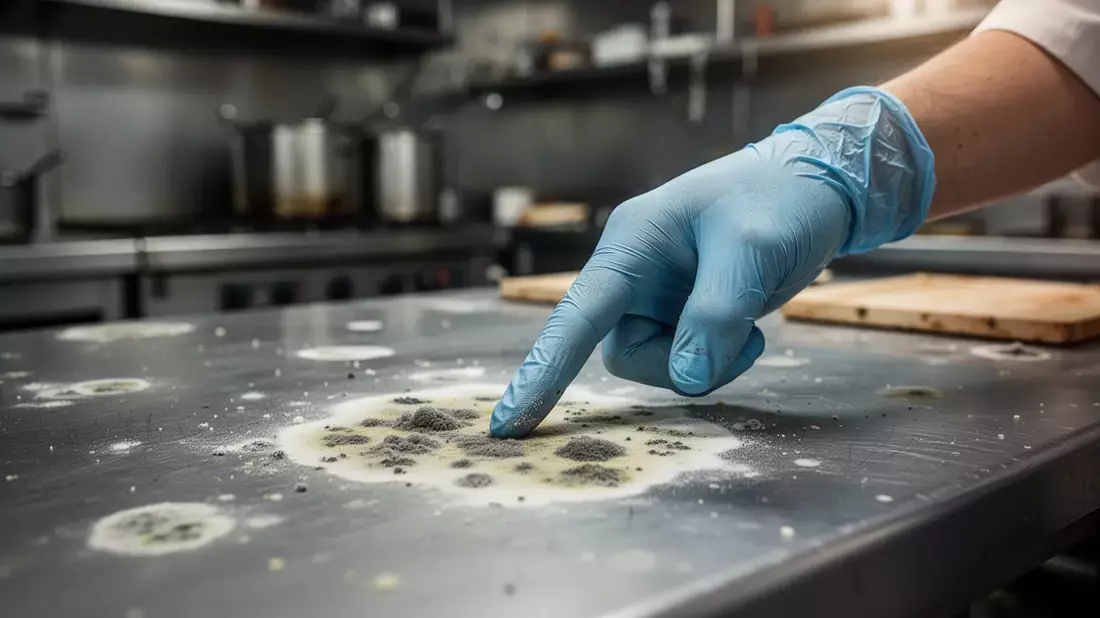
The Maharashtra Food and Drug Administration (FDA) has suspended the food business licence of the 110-year-old Parsi Dairy Farm in Mumbai, escalating a statewide crackdown on food safety violations. The suspension, effective from July 15, 2026, follows inspections that uncovered serious hygiene failures at the landmark institution and other high-profile eateries.
Landmark Dairy Found with Fungus and Pest Problems
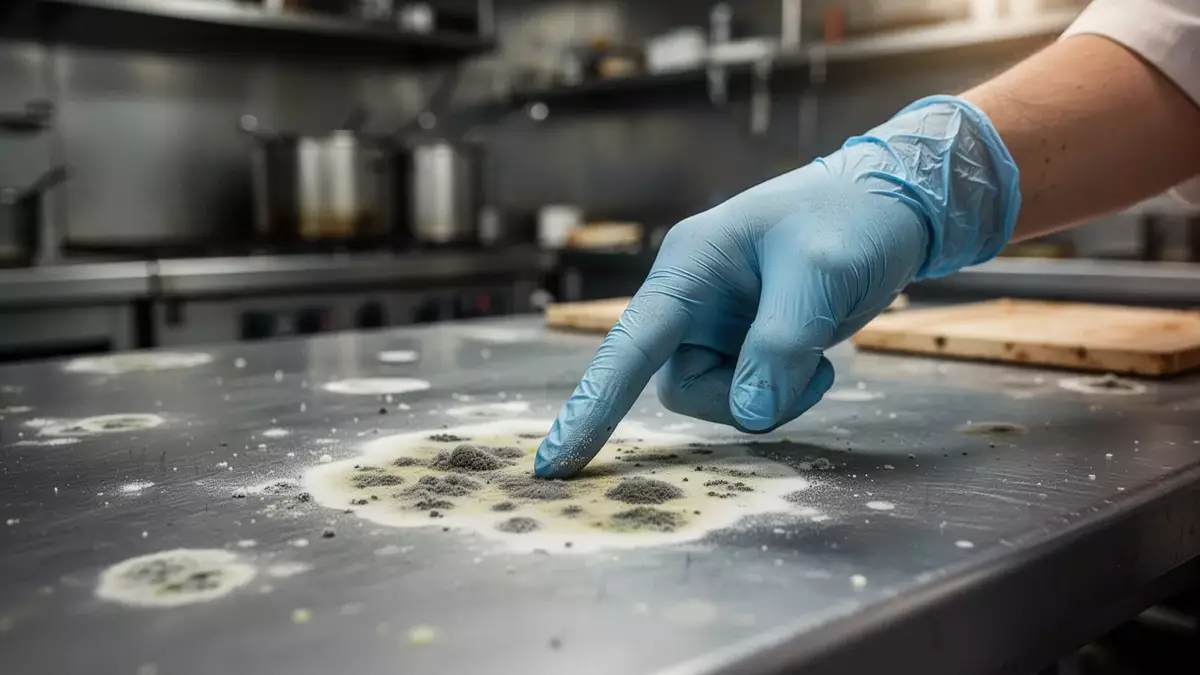
The Marine Lines facility was hit with the suspension after a July 14 inspection revealed multiple breaches of the Food Safety Act 2006. Inspectors reported fungal growth, raw materials stored directly on the floor, and the absence of a protected milk dock. The site also lacked effective pest control, with evidence of flies and missing expiry dates on products.
Authorities seized stock valued at approximately Rs 32 lakh, including 5,999 kg of butter, 7.5 kg of paneer, and 87 kg of colostrum. A separate inspection of the dairy’s Palghar branch led to eight samples being taken for further testing.
The same scrutiny that caught hygiene failures at Parsi Dairy Farm applies in UK workplaces too. Health and safety inspectors can issue improvement notices or prohibition orders when they find gaps in compliance. A free toolkit provides ready-to-use risk assessments and checklists aligned with UK regulations to help you stay prepared. Download the free Health & Safety Toolkit
The crackdown, part of the “Safe Food, Safe Maharashtra” campaign, extended to other well-known Mumbai businesses. FDA Commissioner Tukaram Mundhe confirmed licence suspensions for Noor Mohammadi Hotel, Shalimar Hospitality, Rehmania Restaurant, and K Rustom Ice Cream. These actions followed findings related to improper storage, grease accumulation, and pest risks.
Statewide Raids and a Shift in Consumer Habits
The two-day drive on July 14 and 15 involved 24 targeted raids across the state. Total seizures reached approximately Rs 1.9 crore, covering adulterated dairy products and banned items. Specific seizures included 2,317 litres of milk and over 6,800 kg of various dairy products.
The enforcement has already reshaped local commerce. Market reports from July 16 indicate that loose milk sales in Mumbai fell by 25% to 30% as consumers turned to branded, packaged alternatives in response to reports of adulteration and hygiene failures.
To improve future oversight, Commissioner Mundhe launched an AI-enabled grievance portal on July 16. The system allows citizens to submit food safety complaints by voice in Marathi, Hindi, or English, with automated assignment and escalation to ensure traceability in inspections.
Global Food Safety Actions
Parallel developments elsewhere have seen authorities taking similar enforcement steps.
In Abu Dhabi, the Agriculture and Food Safety Authority (Adafsa) ordered the temporary closure of Take Restaurant in Al Ain on July 16, citing repeated violations that posed a risk to public health. The establishment will remain shut until all issues are resolved.
In the UK, Teesside Magistrates’ Court issued a hygiene emergency prohibition order for the Authentic African Food Store in Middlesbrough on July 16, following a July 9 inspection that uncovered rat droppings, cockroaches, and mouldy produce.
The court order served in Middlesbrough shows how quickly UK regulators step in when safety standards fail. Workplace health and safety enforcement follows the same principle — documented risk assessments are essential to avoid enforcement action. Over 37,000 British companies use a free risk assessment toolkit with 41 templates and checklists to meet their legal duties. Download the free Risk Assessment Toolkit
In the United States, the FDA and CDC identified raw milk cheddar cheese from Raw Farm LLC as the source of an E. coli O157 outbreak affecting nine people across California, Texas, and Florida. Updated data from July 15 also showed rising case counts in two separate Salmonella outbreaks, now at 69 and 91 confirmed cases respectively.
Regional inspections in the Tennessee Valley during the same week resulted in low hygiene scores for several national and local outlets. Violations included handling food with bare hands, fly infestations, and the discovery of week-old queso in storage.
Disclaimer regarding our articles: No investment advice, no buy or sell recommendation. Information on prices, companies, and markets is provided without guarantee; changes are possible at any time. Stock market transactions can lead to substantial losses. Our articles are created and reviewed in whole or in part automatically with the support of AI.