
Norah Jones returns to the road and a new creative chapter
Published on 06/15/2026 at 22:35 | Editorial responsibility: Rafael Müller, Editor-in-Chief AD HOC NEWS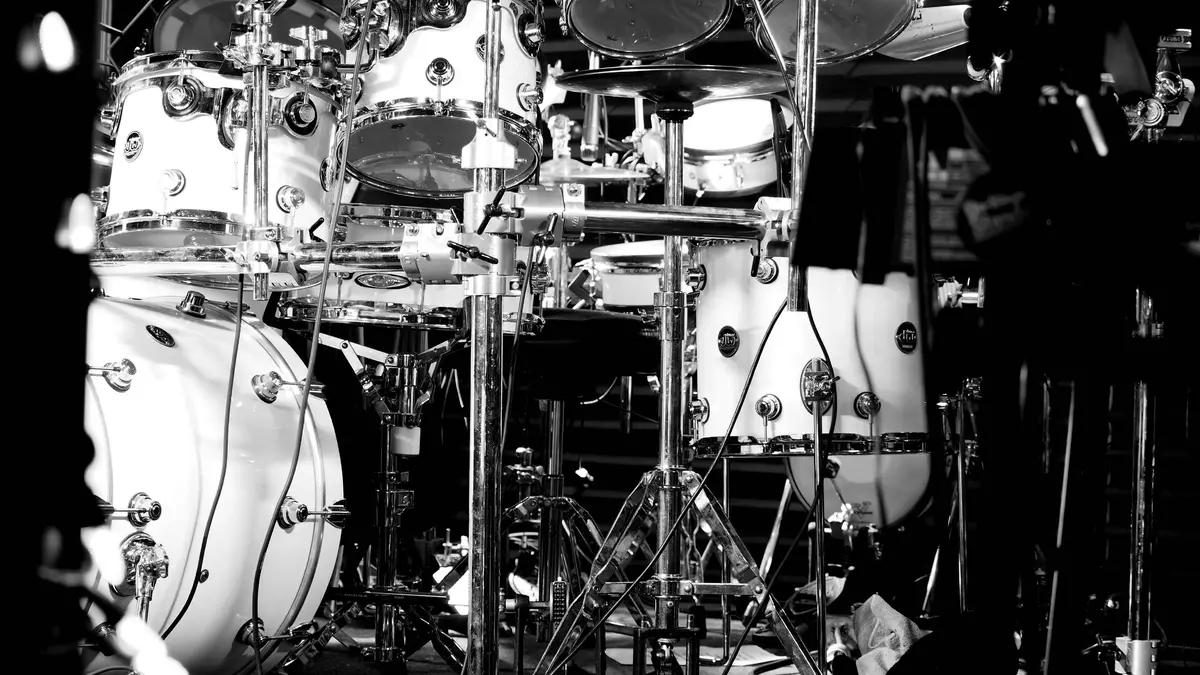
Norah Jones steps back into the spotlight as a working touring artist and enduring album-maker, quietly opening a fresh chapter in a career that has already reshaped what mainstream jazz-pop can sound like.
New touring cycle and a steady studio presence
Two decades after surprising the music industry with her multi-platinum debut, Norah Jones is firmly in a phase where touring and recording feed into each other rather than compete. While the exact routing of each tour leg moves year by year, the pattern is clear: she continues to mix intimate theater shows with key festival appearances, often building her setlists around a blend of deep cuts and fan-favorite singles.
Instead of chasing the fast single-driven cycles that dominate streaming-era pop, Norah Jones still treats the album as the central unit of her creative life. Releases like Come Away With Me, Feels Like Home, Not Too Late, The Fall, Little Broken Hearts, Day Breaks, Pick Me Up Off The Floor, and the session collection …Featuring Norah Jones form a narrative arc of steady experimentation around a recognizable melodic core.
As a live performer, she tends to keep the focus on musicianship and subtle dynamics rather than on spectacle. Audiences come expecting warm, unhurried performances of songs like Don’t Know Why, Come Away With Me, Sunrise, Chasing Pirates, and Carry On, but they also tend to leave with a renewed appreciation for newer material that folds blues, country, and more exploratory jazz phrasing into her established sound.
In the streaming era, Norah Jones maintains a profile that cuts across generations. Her catalog is a mainstay on coffeehouse-style playlists, on vocal jazz compilations, and on mellow singer-songwriter mixes, which keeps songs from the early 2000s circulating alongside her newer work for younger listeners discovering her largely through algorithmic recommendations.
- Breakthrough debut album Come Away With Me reshaped early-2000s jazz-pop.
- Follow-up records like Feels Like Home and Not Too Late solidified her crossover status.
- Later albums such as Little Broken Hearts and Day Breaks pushed into moodier, more experimental territory.
- Her ongoing touring pattern keeps her catalog in active conversation with live audiences across multiple generations.
That balance between new work and careful curation of the past is what makes this current phase of Norah Jones’ career feel like a sustained second act rather than a mere nostalgia run.
Why Norah Jones still matters to US listeners
Norah Jones occupies a rare space in US popular music. She is simultaneously a jazz vocalist, a pop songwriter, and a roots-informed storyteller who can comfortably share a playlist slot with both contemporary singer-songwriters and classic jazz icons. For many American listeners, she was the entry point into piano-led jazz-inflected music that still felt like mainstream adult pop.
Across the early 2000s, her sound offered a counterweight to the dominant trends of glossy R&B and heavily produced teen pop. A soft piano, a brushed drum kit, and a close-mic vocal delivery became her signatures. The fact that these elements could command Top 40 radio and major award stages signaled that quiet, acoustic-focused records could still find mass audiences in the US market.
Her appeal has also proven durable because it cuts across demographic lines. College students of the early 2000s remember Come Away With Me as dorm-room background music and a soundtrack to road trips. Parents heard it on AAA and adult contemporary stations. Jazz fans appreciated the nods to standards and the engagement with a tradition that spans from Bill Evans to Nina Simone.
In an era when playlists and algorithmic feeds can easily silo listeners, Norah Jones remains one of the few artists whose catalog is equally at home in a jazz context, a singer-songwriter context, and a broader pop listening environment. That versatility keeps her relevant regardless of whether she has a new album at the top of the release radar in any given month.
The US music press continues to treat her as a reference point when discussing crossover success stories and the possibilities for artists who want long careers outside the relentless hit-single race. Publications regularly position her alongside artists like John Mayer, Alicia Keys, or Diana Krall when mapping the intersections of jazz, pop, and adult contemporary radio.
From New York roots to global stages
Norah Jones’ story begins well before the breakout success that made her a household name. Born in New York City and raised partly in Texas, she grew up with a wide musical vocabulary that included jazz standards, country ballads, classic rock, and soul. Piano lessons and early exposure to vocal jazz shaped her ear, while school ensembles and local gigs sharpened her performance instincts.
Her eventual move back to New York placed her in the heart of a city whose jazz clubs, singer-songwriter venues, and small studios offer an informal education in the realities of working musicianship. It was there that she began to assemble the circle of players who would help her realize the understated yet sophisticated sound that would define her debut album.
Before the major-label breakthrough, Norah Jones cut her teeth in small rooms: late-night gigs, opening slots, and collaborative sessions where the expectations were low but the musical stakes were high. The experience of playing for audiences who might be only half-listening pushed her to find ways to draw people in without relying on volume or theatricality.
When a major label eventually stepped in to release her debut, they were backing an artist who already understood how to inhabit a song and command a room with restraint. This background explains why, even as venues got larger and award-show stages replaced club corners, her performance style retained an intimacy that felt more in line with a jazz trio than a pop spectacle.
As her reputation grew beyond the New York circuit, international touring followed. She shifted from local bookings to a global routing that included theater tours, festival sets, and carefully chosen television appearances. Through it all, the throughline remained the same: a focus on live musical interaction, improvisational touches, and an insistence on playing with a band that functions more like an ensemble than a backing group.
How her sound evolved across classic albums
The key to understanding Norah Jones’ long-term impact is to trace the evolution of her albums and key songs rather than to focus on any one era. The opening chapter, Come Away With Me, introduced a spare, acoustic production style that leaned heavily on piano, upright bass, tasteful guitar, and restrained percussion. The songs themselves, including Don’t Know Why and the title track, reimagined jazz balladry for a new generation of listeners who discovered them in cars, dorm rooms, and local cafes.
With Feels Like Home, Norah Jones subtly widened her sonic palette. Country and Americana flavors became more prominent, with traditional instruments and rural-leaning harmonies providing a different texture. Yet the core remained the same: conversational vocals, understated grooves, and melodies that felt like they had always existed somewhere on the musical map.
Not Too Late marked a further step toward songwriting autonomy. Writing or co-writing most of the material, she embraced a darker, more introspective mood, allowing minor-key progressions and unusual song structures to coexist with the accessible, melodic writing that had powered her earlier successes. Songs took more risks, and the production made subtle use of atmosphere and space.
Later albums like The Fall and Little Broken Hearts shifted the sonic center of gravity again. Guitar textures, alternative-rock influences, and more overt production experiments entered the picture. Collaborations with producers known for indie and alternative sensibilities brought in layered arrangements, echo-laden soundscapes, and a willingness to deconstruct her previously established sonic identity.
Day Breaks functioned in part as a return to more overt jazz influences, with Hammond organ textures and a more classic trio feel underpinning several tracks. At the same time, it did not simply recycle the debut’s formula; instead, it integrated the broader palette she had developed over previous releases into a mature, cohesive statement.
More recent work such as Pick Me Up Off The Floor and other releases from the 2020s show an artist comfortable with mood, groove, and lyrical complexity. The songs often feel like they are built around evening-light atmospheres and languid tempos, yet a closer listen reveals intricate melodic turns and careful harmonic choices. Songs like Flame Twin, Hurts To Be Alone, or other favorites from this era underscore how Norah Jones continues to refine a personal language rather than chasing fleeting trends.
Collaboration has also been central to her sound. She has recorded with artists ranging from country and Americana players to rock band frontmen and hip-hop-adjacent producers, with the compilation …Featuring Norah Jones capturing the breadth of these intersections. Each collaboration reveals a slightly different facet of her voice, whether she is singing over a minimalist groove, a roots-rock shuffle, or a lush jazz arrangement.
Across this discography, certain constants remain: a preference for organic-sounding instruments, vocals that prioritize intimacy over athletic showiness, and songwriting that trusts listeners to sit with slow tempos and unresolved feelings. Those traits have allowed her catalog to age gracefully, keeping albums from the early 2000s in active rotation alongside more recent projects.
Critical standing, fan devotion, and long-term legacy
Norah Jones’ cultural impact can be read in several ways: through awards and certifications, through the behavior of listeners and fellow musicians, and through the ongoing role her music plays in everyday life. In the early phase of her career, her debut release was recognized with major US music awards and quickly achieved multi-Platinum certification, signaling that a jazz-inflected record could operate on the same commercial level as mainstream pop and rock releases.
Industry bodies such as the Recording Academy and chart organizations like Billboard played crucial roles in codifying her early success in the US. Her presence near the top of the Billboard album charts in the early 2000s, alongside more obviously commercial pop and rock projects, has since become a touchstone in discussions about genre boundaries and what adult contemporary radio can support.
Certifications from organizations such as the RIAA confirmed that album sales, not just singles or streaming metrics, underpinned her appeal. That emphasis on full-album listening differentiates Norah Jones from many of her peers whose careers are defined primarily by a handful of hit tracks.
Critically, Norah Jones has often been framed as a gateway artist. Major music publications and critics have noted that her records brought listeners into contact with jazz chords, swing-inflected rhythms, and a more nuanced sense of time and phrasing than most Top 40 releases. For some listeners, she opened the door to exploring older jazz vocalists and instrumentalists; for others, she provided a model of how to blend genres without diluting their character.
Her legacy is also evident in the wave of mellow, jazz-tinged singer-songwriters who followed in the wake of her early success. Many of them cite her as proof that a soft-spoken, piano-centered approach can be commercially viable. The rise of playlist categories built around moods such as chill, acoustic lounge, or coffeehouse is often discussed in connection with the soundscape she helped popularize.
On the fan side, Norah Jones commands a loyalty that is less about viral spikes and more about long-term companionship. Her records are the kind that soundtrack entire life phases: studying, moving into a first apartment, navigating early adulthood, or simply needing music that calms a room without fading into pure background noise. Fans often describe discovering her music through a friend’s recommendation, a café stereo, or a film soundtrack rather than through aggressive marketing campaigns.
From an industry perspective, her career offers a case study in how to navigate the shift from CD-era sales to streaming-era consumption without sacrificing artistic identity. By continuing to release cohesive albums while allowing key songs to live on playlists, she has managed to bridge two very different distribution models.
Looking forward, Norah Jones’ catalog is likely to function as a reference library for artists who want to work at the intersection of jazz, pop, and roots music. Her combination of compositional craft, vocal understatement, and genre literacy gives younger musicians a roadmap for creating music that can inhabit both niche and mainstream spaces.
Key questions about Norah Jones today
How would you describe Norah Jones’ musical style?
Norah Jones’ musical style sits at the intersection of jazz, pop, and roots music. She draws heavily on jazz harmony and phrasing, but her songs typically follow the accessible structures of singer-songwriter and adult contemporary pop. Acoustic piano, subtle guitar work, brushed drums, and warm bass form the core of her arrangements, while occasional excursions into country, soul, or alternative textures keep her catalog from feeling locked into any single genre.
Which Norah Jones albums are essential starting points?
New listeners usually begin with Come Away With Me, which defined her early sound and introduced signature songs like Don’t Know Why. From there, Feels Like Home and Not Too Late show how she folds Americana and deeper songwriting into that template, while albums such as Little Broken Hearts and Day Breaks reveal her more experimental and jazz-forward sides. Together, these records offer a panoramic view of how her music has evolved without abandoning its core identity.
How has Norah Jones stayed relevant in the streaming era?
Norah Jones has remained relevant in the streaming era by embracing the album format while allowing individual tracks to find new life on curated playlists across services. Her catalog fits naturally into mood- and genre-based playlists that emphasize mellow, acoustic, or jazzy textures, which keeps songs from the early 2000s in circulation for younger listeners. At the same time, she continues to release cohesive studio projects and to perform live, ensuring that her work feels current rather than confined to a single breakthrough moment.
Norah Jones across social media and streaming
Norah Jones is not an artist who builds her identity on constant online updates, but social media and streaming platforms nonetheless play a central role in how fans discover and revisit her music today.
Norah Jones – moods, reactions, and trends across social media:
Further reading on Norah Jones and beyond
More coverage of Norah Jones at AD HOC NEWS and elsewhere:
Read more about Norah Jones on the web -> Search all Norah Jones coverage at AD HOC NEWS ->


