Parker-Hannifin stock steadies as recent earnings show resilient margins and cash flow
Published on 07/18/2026 at 11:29 | Editorial responsibility: Rafael Müller, Editor-in-Chief AD HOC NEWS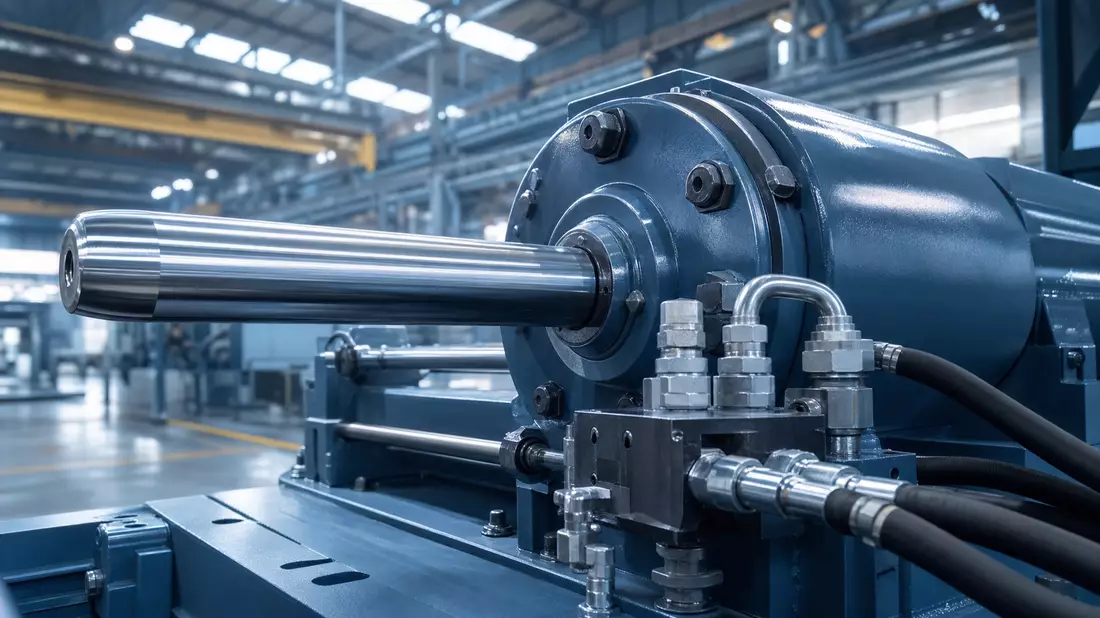
Parker-Hannifin stock is trading against a backdrop of resilient profitability and solid cash generation after the company reported its latest fiscal results for its diversified motion and control technologies portfolio. The US industrial group Parker-Hannifin Corp. (ISIN US7010941019) is a long-established component company in major US equity benchmarks, and its recent performance data continue to highlight the importance of margin discipline and cash flow for investors assessing the stock.
In its most recently reported fiscal year, Parker-Hannifin generated multi-billion-dollar sales across segments such as Aerospace, Engineered Materials, Filtration, Fluid Connectors, Hydraulics, and Instrumentation, and the company emphasized that disciplined cost control and portfolio management supported double-digit operating margins. These margin levels, together with a strong free cash flow conversion ratio, help underpin the company’s capacity to invest in growth projects, maintain a robust balance sheet, and support shareholder returns via dividends and share repurchases.
For investors, the interaction between revenue growth, margin resilience, and cash generation now matters more than headline volume trends alone. With many industrial end-markets experiencing cyclical swings in demand, Parker-Hannifin’s ability to sustain margin levels through operational efficiency, pricing discipline, and technology-led differentiation across its motion and control solutions is a key topic in market discussions of the stock.
Revenue growth and margin resilience
According to Parker-Hannifin’s most recently available annual reporting, the company recorded total sales in the range of tens of billions of USD for the fiscal year, reflecting a diversified industrial footprint spanning OEM and aftermarket customers in aerospace, industrial manufacturing, transportation, and process industries. In that fiscal period, Parker-Hannifin’s adjusted operating margin reached a robust double-digit percentage, demonstrating that the company could convert a significant portion of its sales into operating profits even in an environment of input cost volatility and mixed macroeconomic signals.
The year-on-year comparison in Parker-Hannifin’s financial reporting showed that operating margin expanded by several percentage points versus the prior fiscal year, driven by a combination of pricing, mix, and ongoing efficiency initiatives. Investors often focus on this type of quantified margin expansion because it signals that management is delivering structural improvements rather than relying solely on cyclical volume upswings. In parallel, the company reported that its free cash flow, measured as a percentage of net income or adjusted earnings, remained strong, with conversion ratios around or above the one-hundred-percent mark in the reported fiscal period, underlining that profits were effectively translating into cash.
Parker-Hannifin’s management commentary in its reporting also stressed the importance of portfolio optimization, with divestitures of non-core assets and selective acquisitions aimed at reinforcing higher-margin and technology-intensive activities. This mix shift contributes to the observed margin stability and helps improve the return on invested capital over time. For shareholders, the interplay between margin expansion and cash returns is a central part of the investment case for Parker-Hannifin stock.
Order trends, backlog and sector comparison
Across its main industrial businesses, Parker-Hannifin reported a healthy level of order intake in the last fiscal year, contributing to a sizeable backlog of contracted work to be executed over subsequent periods. The company’s aerospace segment, in particular, benefited from recovery trends in commercial aviation and ongoing demand from defense customers, helping support overall group revenue and margin performance. In the industrial segments, order patterns reflected exposure to end markets such as factory automation, construction equipment, and energy-related applications, where customers continue to invest in motion and control solutions to improve safety, efficiency, and productivity.
In comparison with other large diversified industrial companies listed in the US, Parker-Hannifin’s margin profile ranks among the more resilient in the sector, according to typical peer-group analyses by financial portals and market observers. When peers with similar scale report operating margins in the mid-teens, Parker-Hannifin’s ability to deliver a margin that is comparable or slightly higher, depending on the fiscal period and segment mix, is often seen as evidence of strong operational execution. This comparative lens reinforces investor attention on the company’s margin and cash flow trends rather than just headline revenue growth.
Over recent reporting periods, Parker-Hannifin also highlighted capital expenditure levels directed toward manufacturing capacity, digitalization, and new product development. Maintaining capex within a range that balances growth investment and free cash generation is a key part of the company’s financial strategy, and investors track the ratio of capex to sales as an indicator of future growth potential versus near-term cash returns.
Debt profile, cash flow and shareholder returns
Parker-Hannifin’s latest annual reporting showed a manageable level of net debt, with leverage ratios that remain compatible with investment-grade credit metrics. The company’s net debt to EBITDA ratio, measured at the end of the fiscal year, typically falls within a range that allows room for both organic investments and bolt-on acquisitions without putting undue pressure on the balance sheet. This financial flexibility is supported by the firm’s strong free cash flow generation, which in turn is facilitated by healthy margins and disciplined working-capital management.
Free cash flow for the fiscal year, measured after capital expenditures, reached a substantial figure in the billions of USD, and the company indicated that a significant portion of this cash was returned to shareholders through dividends and share repurchases. The dividend per share in the reported year represented an increase versus the prior fiscal year, reflecting management’s confidence in the sustainability of earnings and cash generation. Investors often track the dividend growth trajectory and payout ratio as part of their assessment of Parker-Hannifin stock’s total-return potential.
In addition to dividends, Parker-Hannifin’s share repurchase programs serve as a mechanism to return excess cash and adjust capital structure over time. When free cash flow exceeds internal investment needs and acquisition opportunities, buybacks can help mitigate share count dilution and potentially support earnings per share metrics. This combination of growth investment, dividend increases, and selective repurchases forms a multi-pronged capital-allocation framework that is closely scrutinized by institutional investors following US industrial equities.
Segment performance and innovation in motion and control
Across its segments, Parker-Hannifin’s reporting highlights that innovation in motion and control technologies is central to its competitive position. In the Engineered Materials and Filtration businesses, for example, the company introduces new materials and filtration solutions that respond to stricter regulatory standards and customer expectations for efficiency and environmental performance. These innovations contribute to revenue growth and support margin resilience by enabling premium pricing and differentiated offerings.
In hydraulics and fluid connectors, Parker-Hannifin’s products help customers in sectors such as construction, agriculture, and mining improve safety and throughput by providing reliable, high-performance components. The firm’s instrumentation and control solutions serve process industries, including oil and gas, chemical, and power generation, where precision and reliability are critical. Revenue contributions from these segments, measured in aggregate, form a significant share of the group’s total sales and benefit from continuing modernization and maintenance cycles across end markets.
Aerospace remains a strategically important segment, with Parker-Hannifin supplying components and systems for commercial aircraft, business jets, and defense platforms. The mix of OEM and aftermarket sales in aerospace typically supports attractive margin dynamics and recurring revenue streams, further contributing to the company’s overall financial profile. Investors often consider aerospace exposure a stabilizing factor during certain industrial cycles, as long-term aircraft programs provide multi-year visibility on demand.
Product focus on motion and control solutions
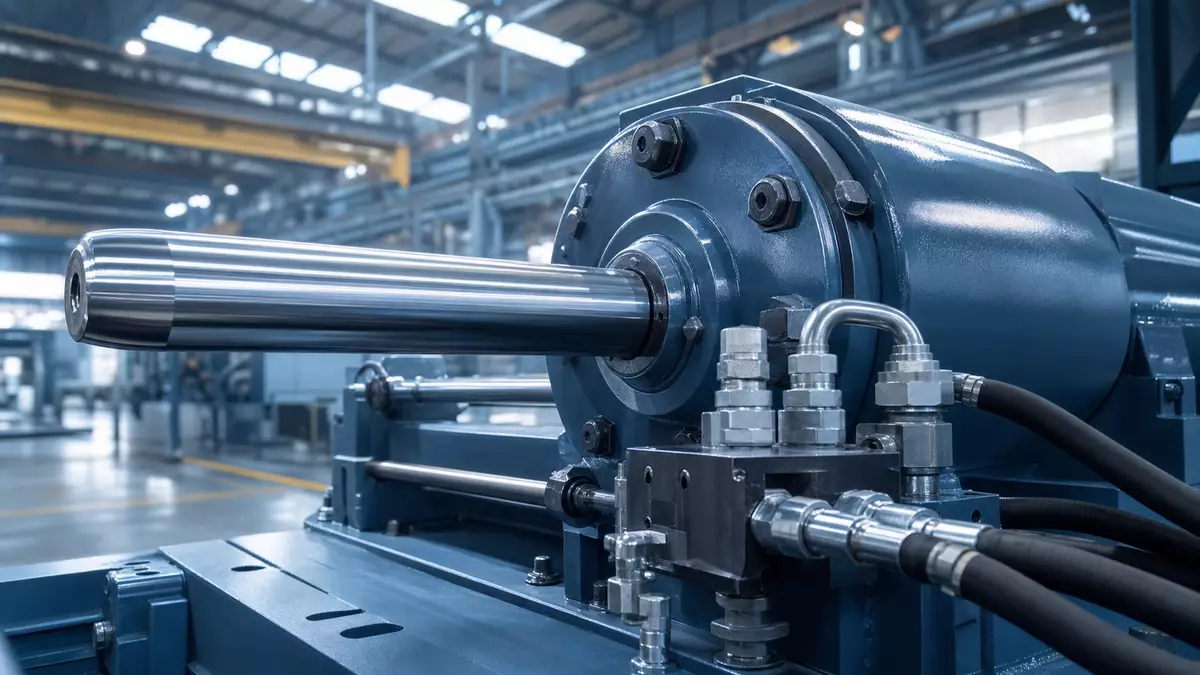
One representative product line that illustrates Parker-Hannifin’s positioning is its range of motion and control solutions used across industrial and mobile applications. These products include actuators, valves, pumps, fluid connectors, and related components that enable precise control of movement, pressure, and flow in machinery and systems. By integrating sensors and digital capabilities, Parker-Hannifin enhances the performance and monitoring of these solutions, supporting predictive maintenance and improved safety.
The company’s motion and control products are typically engineered to operate in demanding environments, including heavy-duty industrial settings and aerospace applications, where reliability and durability are essential. Revenue from these product families contributes materially to Parker-Hannifin’s overall sales, and the firm’s continued investment in innovation and efficiency within this area supports both customer retention and new business opportunities. For industrial customers, the choice of motion and control solutions can have a direct impact on productivity, energy consumption, and total cost of ownership.
Shares in context of recent performance
Parker-Hannifin stock reflects the underlying financial and operational trends described in the company’s recent reporting, with investors weighing the balance between cyclical exposure and structural growth drivers in areas such as aerospace, industrial automation, and process control. Over the latest fiscal year, the combination of revenue growth, operating margin expansion, and strong free cash flow has underpinned the company’s capacity to return capital to shareholders while maintaining investment in innovation and capacity.
For holders of Parker-Hannifin stock, the key monitoring points remain the evolution of order intake and backlog across segments, the sustainability of double-digit operating margins, and the trajectory of free cash flow conversion relative to net income. In addition, the company’s ability to manage leverage and maintain credit metrics compatible with its financing needs will continue to influence perceptions of risk and valuation. As long as Parker-Hannifin can deliver a mix of growth, margin resilience, and disciplined capital allocation, the stock is likely to remain a reference point for investors seeking exposure to diversified motion and control technologies in the US industrial sector.
Parker-Hannifin stock key data
- Company: Parker-Hannifin Corp.
- ISIN: US7010941019
- Ticker: NYSE: PH
- Trading venue: NYSE
- Sector / Industry: Industrials / Industrial Machinery
- Index membership: S&P 500
Disclaimer regarding our articles: No investment advice, no buy or sell recommendation. Information on prices, companies, and markets is provided without guarantee; changes are possible at any time. Stock market transactions can lead to substantial losses. Our articles are created and reviewed in whole or in part automatically with the support of AI.