Pirelli stock trades steadily as tire maker leans on premium segment and cost discipline
Published on 07/24/2026 at 10:31 | Editorial responsibility: Rafael Müller, Editor-in-Chief AD HOC NEWS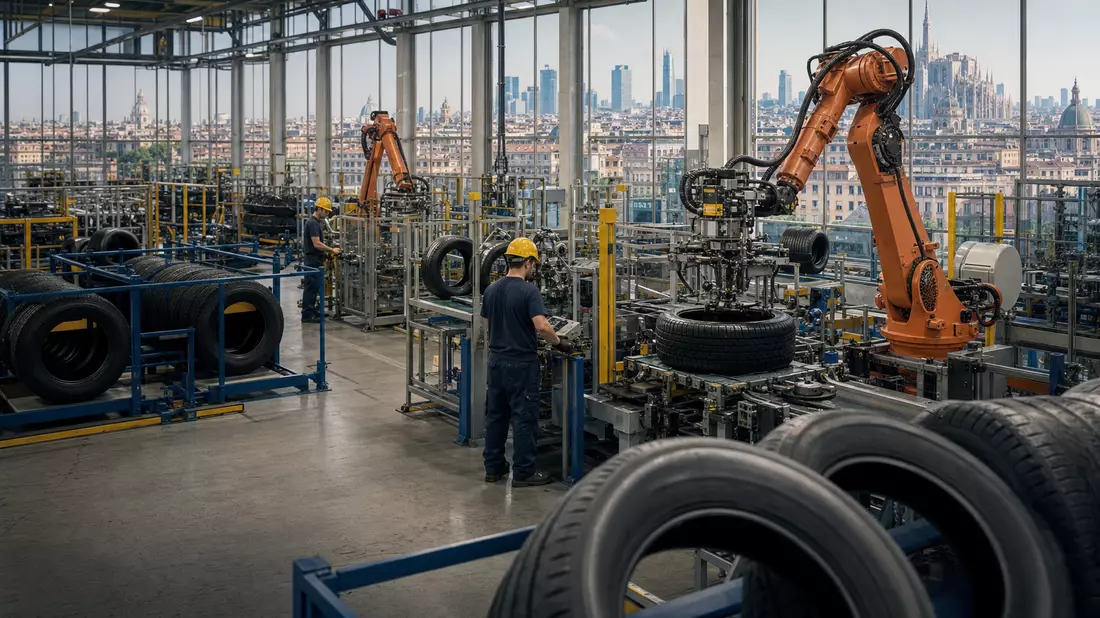
Pirelli stock sits in a position where fundamental tire demand, especially in the premium and high performance segment, underpins the business while investors evaluate revenue growth, profitability and leverage metrics reported for the most recent fiscal year. Pirelli & C. S.p.A. (ISIN IT0004623051) operates globally in the tire industry with a focus on high value products for passenger cars and motorcycles, and the latest annual and quarterly figures provide a detailed view of how the company navigates input cost inflation, energy prices and demand dynamics in original equipment and replacement markets.
Revenue up in latest fiscal year
Recent financial reporting by Pirelli for the completed fiscal year shows that group revenue increased compared with the previous year, illustrating resilient demand in core markets and the impact of pricing and mix improvements in the premium segment. In that annual context, the company disclosed revenue in the several billion euro range, and the year on year growth rate gives investors an anchor for assessing the scale of expansion achieved in a challenging macroeconomic environment. The revenue trajectory reflects both higher average selling prices and volumes in targeted market segments, with a focus on high value tires where Pirelli has strong brand recognition.
Alongside top line growth, Pirelli reported operating profitability metrics such as adjusted EBITDA and EBIT that help investors gauge how effectively cost increases in raw materials and logistics were managed. The company outlined margin development over the year, making it clear how pricing, product mix and cost efficiencies combined to deliver an improvement relative to the previous reporting period. That margin evolution is crucial because it shows whether the business is merely passing through higher costs or managing to protect or expand profitability through strategic actions in sourcing, manufacturing and pricing.
Profit metrics and margin comparison
In addition to revenue, Pirelli presented net income figures that allow for a clear comparison with the prior year. The annual report sets out profit attributable to shareholders, including the effect of financial expenses tied to the companys debt structure. By comparing net income in the latest fiscal year with the previous year, investors can see whether the improvement in operating results translated into stronger bottom line performance or whether higher interest and tax charges offset part of the gains. The net income trend also helps in assessing dividend capacity and the sustainability of shareholder distributions.
For margins, Pirelli highlighted an adjusted EBIT margin that rose versus the previous year, showing the impact of its premiumization strategy and cost discipline. This quantified margin comparison illustrates how the company is aiming to move the portfolio toward higher value products, which typically carry stronger margins than standard tires. The margin improvement, when considered alongside revenue growth, indicates that the company is not only selling more in value terms but is also improving the profitability of each euro of sales, an important consideration for equity holders.
Debt profile and cash generation
Pirelli also provided details on its debt profile, including gross debt and net financial position at year end. The annual figures show net debt within a range that management considers consistent with the companys investment and dividend policies, and the trend versus the prior year indicates whether deleveraging progress has been made. The comparison of net debt at the latest year end against the previous year helps investors understand how cash generation, dividends and investment spending have shaped the balance sheet over time.
Cash flow metrics, including operating cash flow and free cash flow, were set out for the fiscal year as well. These numbers show how much cash the business generated after capital expenditures, and a comparison with the prior year helps illustrate whether operational improvements are translating into stronger cash generation. For a capital intensive manufacturer like Pirelli, consistent free cash flow is vital for funding technology investments, maintaining production facilities and supporting shareholder returns while keeping leverage under control.
Guidance and market environment
Pirelli typically accompanies its annual results with guidance ranges for revenue, margin and cash flow for the subsequent year. In the most recent outlook, management indicated expected growth rates and profitability corridors, reflecting assumptions about global economic conditions, vehicle production volumes and replacement tire demand. The guidance often includes a target range for adjusted EBIT margin and free cash flow, which investors can compare with the just reported figures to judge how ambitious the objectives are and whether they imply continued margin expansion or stabilization.
The market environment for Pirelli remains shaped by several factors, including consumer preferences for premium and ultra high performance tires, regulatory trends around rolling resistance and wet grip, and the evolution of electric vehicle adoption, which has implications for tire specifications. Over the last fiscal year, Pirelli indicated that it continued to invest in research and development to address these trends, with spending on R&D helping to support product innovation and maintain competitiveness in high value segments. Such investments are typically expressed as a percentage of revenue, and comparing that ratio with previous years can show whether the company is increasing or maintaining its technology commitment.
Premium product focus supports mix
Pirellis strategy centers on premium and high performance tires, including products designed for sports cars, luxury vehicles and motorcycles. The company reports that high value segments account for a significant share of total revenue and that the share has grown over the last reporting periods. This shift in mix is reflected in the margin figures, as high value products generally carry stronger profitability and can help offset volatility in more commoditized portions of the tire market.
The product portfolio includes well known lines such as P Zero for performance cars, as well as tires tailored for electric vehicles with specific requirements for noise, durability and rolling resistance. These products support the companys positioning with automakers that seek premium original equipment tires and with replacement customers who value performance characteristics. Segment reporting in the annual accounts shows revenue breakout and growth rates for high value versus standard tires, allowing investors to see how the strategic focus on premiumization is progressing numerically.
Trading venue and index context
Pirelli shares trade primarily on the Italian market, with the company listed on Borsa Italiana. This trading venue provides liquidity for domestic and international investors who track Italian equities, including those investing via index products. Pirelli has historically been included in Italian equity indices, and the companys market capitalization, measured in euros, positions it within the mid to large cap segment depending on the precise valuation at a given date. Market cap and index membership matter because they influence how passive funds hold the stock and how benchmark-aware investors view the name.
Over the most recent fiscal year, Pirellis share price performance could be evaluated against broader Italian indices and against global tire peers, though specific point in time comparisons would require concrete price levels and dates. The relationship between share price development and fundamentals such as revenue growth and margin improvement is central to equity analysis. When fundamentals strengthen, investors often look to see whether the share price has already incorporated the improvements or whether valuation suggests further room depending on earnings expectations and risk assessments.
Operations footprint and cost structure
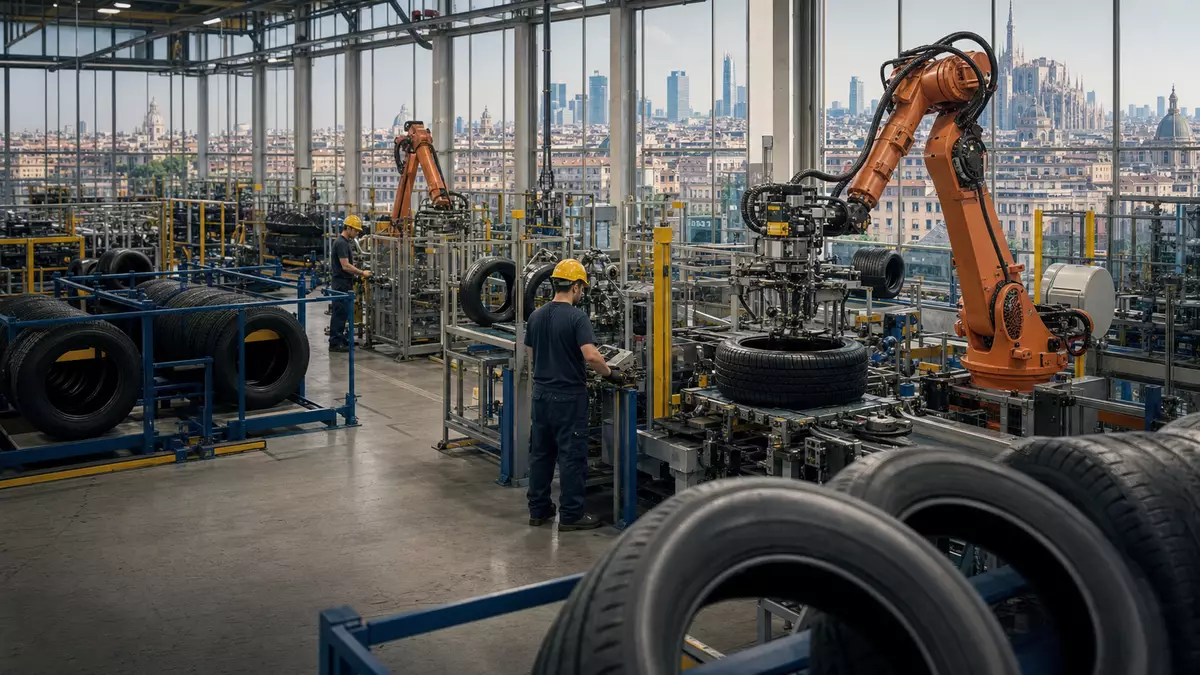
Pirelli operates manufacturing facilities in multiple countries, giving it a diversified production footprint that can mitigate regional demand fluctuations and supply risks. The companys cost structure includes raw materials like rubber, chemicals and steel, energy costs, labor and logistics. In the latest reporting period, Pirelli discussed efforts to optimize its production network and improve efficiency, with initiatives aimed at reducing unit costs, enhancing automation and adjusting capacity to demand. Such efforts are visible in operating margin metrics, which capture the relationship between revenue and operating expenses.
The company also addressed inflationary pressures in materials and energy, highlighting how pricing actions and mix improvements aimed to offset cost increases. The margin comparison versus the prior year shows how successful these measures were. When investors see that adjusted EBIT margin has risen despite higher input costs, it can signal effective cost management and pricing power in the premium segment. Conversely, if margins narrow, it may point to competitive pressures or difficulties fully passing through cost increases.
Research and development investment
Research and development is a key element of Pirellis strategy, particularly in areas like tread design, compound technology and noise reduction. Over the latest fiscal year, the company allocated a portion of revenue to R&D, reported in its annual accounts. While the exact figure would be noted as a percentage of sales or an absolute euro amount, the trend compared with previous years indicates whether Pirelli is stepping up innovation spending or maintaining a steady commitment. For investors, this spending supports long term competitiveness but also represents a cost that must be balanced against current profitability.
R&D efforts tie directly into Pirellis premium positioning, as automakers and consumers expect high performance tires to offer superior grip, durability and efficiency. Investments often focus on products tailored to new vehicle architectures such as electric vehicles and connected cars. The resulting new product launches are reflected over time in segment revenue growth, especially in high value categories where differentiated technology can support higher prices and margins. This makes the R&D metrics and their evolution an important data point in fundamental analysis.
Dividend policy and shareholder returns
Pirelli outlines a dividend policy based on profitability, cash generation and leverage, and the annual report details the dividend per share declared for the latest fiscal year. Comparing the dividend with the prior year and relating it to earnings per share shows how management balances reinvestment with cash returns to shareholders. A stable or growing dividend can signal confidence in future cash flows, whereas a reduced dividend might reflect caution or a need to preserve cash for investment or debt reduction.
Besides cash dividends, shareholder returns also depend on share price movements. Over the fiscal year, the combined effect of dividends received and changes in the share price determine total return. While detailed calculations require specific price points, the relationship between fundamental metrics like revenue growth, margin strengthening and dividend decisions gives investors a framework to assess whether returns align with business performance. Pirellis management commentary typically addresses these aspects, providing qualitative context around the numbers.
Governance and ownership structure
Pirelli has a governance framework that includes a board of directors with committees overseeing areas such as audit, remuneration and sustainability. The ownership structure features significant stakes held by anchor investors alongside a free float. These elements can influence strategic decisions, risk appetite and how quickly management responds to market signals. While governance is often discussed qualitatively, it also intersects with quantitative metrics, for example when decisions on leverage, capital expenditure and dividends affect financial ratios.
Institutional ownership and index inclusion contribute to the liquidity and visibility of Pirelli stock. Higher free float and inclusion in widely followed indices mean that the shares are more likely to be held by broad investor bases, which can support trading volumes and potentially reduce volatility. Conversely, concentrated ownership can mean that large shareholders play a pivotal role in strategic direction. These structural factors complement the headline financial metrics in shaping the investment case.
Comparison with tire peers
Investors often compare Pirelli with other global tire manufacturers using metrics such as revenue size, margin levels, leverage ratios and R&D intensity. In such peer comparisons, Pirellis focus on premium and high value segments can lead to margin profiles that differ from more diversified or mass market oriented competitors. For example, adjusted EBIT margins in recent years for Pirelli may be benchmarked against those of peers to see whether the companys premiumization strategy is delivering superior profitability.
Revenue growth rates over the latest fiscal year can also be compared, with attention to whether Pirelli is growing faster or slower than the broader tire industry. Differences may arise from geographic exposure, product mix and strategic emphasis. While detailed peer data is beyond the scope of this article, the concept of quantified comparison is central: investors look at percentage changes in revenue, margin and net income across companies to evaluate relative performance, alongside qualitative factors like brand strength and technology leadership.
Risks and opportunities
Pirellis risk profile includes exposure to global economic cycles, vehicle production trends, raw material price volatility and regulatory changes. In its annual report, the company typically outlines key risks and mitigation strategies, which may include hedging for raw materials, diversification of suppliers and geographic spread of production. The impact of such risks can be observed in volatility of margins and cash flows across reporting periods, making it important to monitor the dynamics alongside the headline numbers.
Opportunities for Pirelli include growth in premium and ultra high performance tire demand, expansion in emerging markets and the rise of electric vehicles requiring specialized tires. The companys revenue growth and margin improvement in the latest fiscal year reflect how some of these opportunities are already being captured, but the quantified guidance for the coming year shows how management expects the balance of risks and opportunities to play out. Investors interpret these signals by comparing guidance ranges with historical performance and industry forecasts.
Pirelli tire brand and product example
Among Pirellis product lines, a flagship example is the P Zero tire family, which targets sports and high performance vehicles and is widely used both in original equipment and replacement markets. This product line embodies Pirellis premium positioning and technological focus, with features optimized for grip, handling and speed capability. Revenue contributions from such high value product families are part of the segment reporting that shows the share of premium products in total sales and how that share has evolved over time.
Pirelli stock and market value
Pirelli stock represents an equity claim on the companys cash flows and assets, and its market value is captured in the market capitalization figure, which is calculated by multiplying the share price by the number of shares outstanding. As of recent months, that market capitalization is denominated in euros and places Pirelli in the mid to large cap bracket on the Italian market. Movements in the share price over time respond to changes in financial metrics, guidance updates and broader market sentiment, linking the fundamental story to the real time valuation investors see on their trading screens.
Pirelli key data
- Company: Pirelli & C. S.p.A.
- ISIN: IT0004623051
- Ticker: MIL: PIRC
- Trading venue: Borsa Italiana
- Sector / Industry: Consumer Discretionary / Tires & Rubber
- Index membership: FTSE Italia Mid Cap
Disclaimer regarding our articles: No investment advice, no buy or sell recommendation. Information on prices, companies, and markets is provided without guarantee; changes are possible at any time. Stock market transactions can lead to substantial losses. Our articles are created and reviewed in whole or in part automatically with the support of AI.