Pixies return to the spotlight with a fresh 2026 chapter
Published on 06/15/2026 at 21:27 | Editorial responsibility: Rafael Müller, Editor-in-Chief AD HOC NEWS
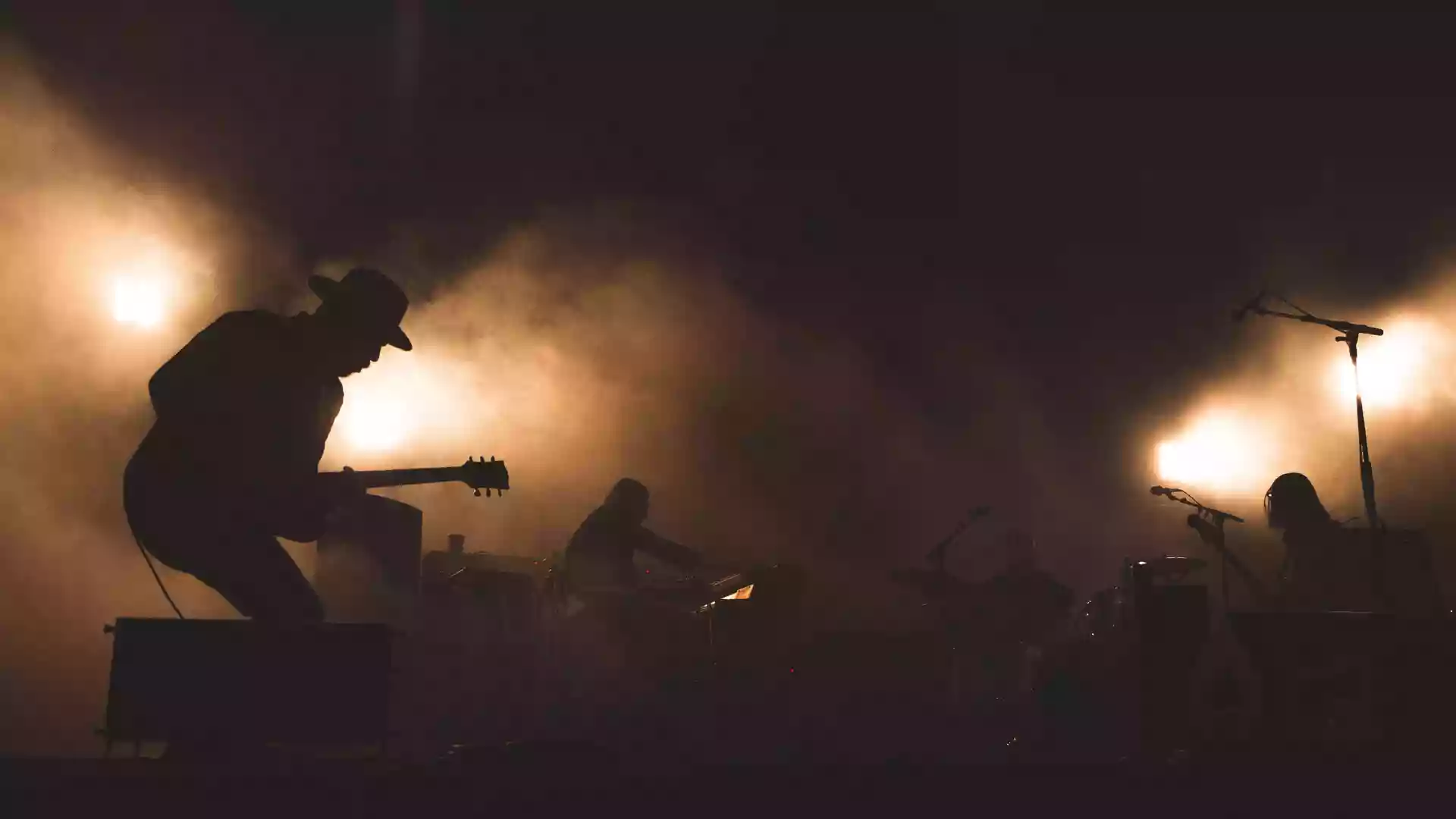
On any given night in a rock club, the quiet-loud dynamics and jagged riffs that defined Pixies still echo from the stage. For a generation of US alternative fans, the band’s name has become shorthand for a certain kind of restless, art-damaged guitar music that never really left the conversation.
From Surfer Rosa to streaming-era cult
For US listeners discovering alternative rock through playlists and algorithmic radio, Pixies often function as a crucial missing link between early indie scenes and the mainstream breakthrough of 1990s guitar bands. Their run of late 1980s and early 1990s records laid out a template that groups from Nirvana to Weezer and beyond would pull from repeatedly.
The band’s debut full-length, Surfer Rosa, arrived in 1988 on the independent label 4AD, introducing a volatile mix of surf-leaning guitar tones, bilingual lyrics, and surreal narratives. Produced by Steve Albini, the record emphasized raw drum sounds and sharp-edged guitar, an approach that would become enormously influential on US underground rock production.
Follow-up album Doolittle in 1989 broadened that aesthetic into a more melodic, hook-forward direction without losing the frantic energy. Songs like Debaser and Here Comes Your Man became staples of alternative radio and college stations, helping define what US audiences would come to recognize as classic alt-rock just before the format exploded commercially.
As streaming platforms grew to dominate listening habits, Pixies saw a new wave of discovery from younger fans exploring catalog rock. Key tracks from Doolittle and the later album Bossanova circulate heavily on curated playlists focused on 1990s alternative and college rock, pulling the band into daily rotation long after the original records left the charts.
Today, Pixies occupy a distinct place in the US digital music landscape: not a nostalgia act tied to a single radio hit, but a band whose albums are treated as front-to-back listening experiences by fans who were not yet born when the songs were first recorded.
- Key albums such as Surfer Rosa and Doolittle remain streaming favorites among alternative fans.
- Pixies’ quiet-loud dynamics influenced a wide range of US rock acts in the 1990s and 2000s.
- Songs like Where Is My Mind? found new audiences through film, television, and online culture.
- The band continues to be cited by critics and artists as a foundational alternative rock influence.
Why Pixies still matter to US rock fans
For many US listeners, Pixies represent a bridge between underground experimentation and accessible songcraft. The band’s music combines sharp melodic instincts with structural unpredictability, allowing their catalog to sit comfortably alongside both classic punk records and more polished alternative hits.
Central to their enduring relevance is the way Pixies balanced abrasiveness with immediacy. Choruses land with a pop sensibility, but verses often detour into spoken passages, sudden tempo shifts, or near-whispered melodies that keep the listener off balance. This tension remains attractive to new generations bored with overly tidy rock production.
The group’s influence can be heard in the dynamic swings of mainstream acts that emerged in the 1990s, from the soft-to-loud explosions of Seattle grunge to the jagged choruses of many radio-friendly alternative bands. Yet Pixies themselves never fully crossed into the kind of arena-scale mainstream dominance that some of their followers enjoyed, which adds to their cult aura.
In the streaming era, algorithms that group artists by sonic similarity have repeatedly placed Pixies alongside modern indie acts, exposing younger listeners to tracks like Monkey Gone to Heaven and Gigantic. That ongoing digital discovery, combined with physical reissues and deluxe editions, keeps the band’s profile steady among American rock fans.
As of 15.06.2026, the band’s core recordings remain widely available across major services, making it easy for new listeners to move from the most recognizable tracks into deeper cuts without friction or scarcity.
Boston origins and early college-rock momentum
Pixies formed in Boston, Massachusetts, in the mid-1980s, emerging from a local scene that also nurtured other influential alternative groups. The founding lineup centered on vocalist and guitarist Black Francis, guitarist Joey Santiago, bassist Kim Deal, and drummer David Lovering, each bringing different influences that helped shape the group’s idiosyncratic sound.
The band came together at a moment when US college radio was becoming a powerful force for new music discovery. Campus stations provided a platform for acts that did not fit neatly into commercial rock formats, and Pixies’ early recordings quickly found receptive ears among student programmers and adventurous listeners.
EP and early album releases laid down the core elements of the Pixies aesthetic: jagged guitar lines that alternated between surf-inspired runs and distorted bursts, bass parts that could anchor a groove or step into a melodic lead role, and drumming that swung between minimalist support and explosive punctuation.
Lyrically, the group drew on science fiction images, Biblical references, and surreal storytelling, set against everyday scenes and fractured relationship narratives. This mix gave the songs a sense of depth and mystery that encouraged close listening and repeat plays among fans who enjoyed decoding the references.
By the late 1980s, the band had become a staple of US alternative and college circuits, building a devoted following that would later support their elevation to cult-legend status in hindsight, even if mainstream radio exposure remained limited compared with some of their contemporaries.
Inside the Pixies sound and essential releases
One of the defining features of the Pixies sound is the dramatic contrast between quiet, tension-building verses and loud, cathartic choruses. This structural approach, often described by critics as quiet-loud-quiet, became a hallmark not only of the band’s own work but of the broader alternative rock movement that followed.
On albums like Doolittle, this dynamic is on full display. Tracks move from near-silence to full-band explosions in a matter of seconds, with guitars jumping from chiming arpeggios to sheets of noise. Basslines frequently serve as melodic counterpoints rather than simple root-note anchors, while drums cut in and out with carefully arranged accents.
The earlier album Surfer Rosa presents a more abrasive palette, with recording choices that foreground room sound and rawness over polish. Songs on that record often sound as if the band is performing just a few feet away from the listener, an intimacy that remains striking in an era dominated by heavily edited digital productions.
Later releases such as Bossanova and Trompe le Monde pushed further into atmospheric and sometimes more psychedelic territory, integrating reverb-heavy guitars and space-themed lyrics while retaining the essential Pixies DNA. These albums expanded the band’s sonic vocabulary and demonstrated that their core formula could adapt to different textures without losing its identity.
From a songwriting perspective, many tracks avoid traditional verse-chorus-bridge structures in favor of repeating motifs, unexpected key changes, or abrupt endings. That sense of unpredictability remains part of the appeal for listeners who seek out rock music that resists easy sing-along patterns without abandoning memorable hooks.
In US critical circles, publications like Rolling Stone and Pitchfork have consistently highlighted Doolittle and Surfer Rosa in lists of essential alternative albums, reinforcing their canonical status and guiding new listeners toward those records as entry points into the catalog.
Influence, critical regard, and cult legacy
Pixies’ long-term impact on rock culture extends far beyond their original chart footprint. Major artists have cited the band as an influence, pointing to their approach to dynamics, song structures, and the balance between melody and noise as a blueprint for modern alternative guitar music.
In the United States, this influence surfaced most visibly when bands that had absorbed the Pixies aesthetic began to dominate alternative radio and MTV in the early and mid-1990s. Even when listeners were not directly aware of the source, the template was there: quiet verses, eruptive choruses, surreal imagery, and a willingness to let distortion and feedback share space with hummable melodies.
Critics have consistently reevaluated the band’s work over the decades, often elevating albums that were initially niche favorites into widely acknowledged classics. Publications such as The New York Times and Rolling Stone have both discussed the band in the context of alternative rock’s evolution, positioning them as one of the key reference points for the entire movement.
The group’s legacy is also deeply tied to the way their songs have threaded through other areas of culture. A track like Where Is My Mind? found new resonance through prominent placement in film, television, and later online culture, becoming a kind of shorthand for introspective or destabilizing moments in visual storytelling.
At the same time, Pixies embody a particular strain of underground credibility. Their relative lack of mainstream chart domination during the original run contrasts with the size of their influence, which gives them an enduring aura among US rock fans who seek out bands that reshaped the sound of the genre from the margins rather than the center.
Questions fans often ask about Pixies
What makes Pixies such a key name in alternative rock?
Pixies are regarded as crucial to alternative rock because they fused offbeat song structures, surreal lyrics, and extreme quiet-loud dynamics into a style that influenced many later bands. Their late 1980s and early 1990s albums helped define how guitar-driven music could be both abrasive and accessible at the same time.
Which Pixies album is the best starting point for new listeners?
Many listeners start with Doolittle, which balances the band’s melodic side with their more experimental tendencies, offering a set of songs that are immediate yet layered. Others begin with Surfer Rosa for a rawer snapshot of the group’s early sound and production approach.
How has Pixies’ music aged in the streaming era?
In the streaming era, Pixies’ catalog has aged into a kind of ever-present reference point, with tracks appearing on alternative, indie, and 1990s-focused playlists. Younger listeners encounter the band alongside newer acts, which reinforces the sense that their sound is not locked to a single historical moment but continues to resonate.
Pixies across platforms and playlists
For US fans who want to explore the band’s catalog or revisit favorites, Pixies’ music is widely available on major platforms and continues to circulate in curated playlists focused on alternative and indie rock discovery.
Pixies – moods, reactions, and trends across social media:
Further reading and listening on Pixies
More coverage of Pixies at AD HOC NEWS and elsewhere:
Read more about Pixies on the web -> Search all Pixies coverage at AD HOC NEWS ->