Renault Says Non, but BYD’s Export Machine Grinds On — 17 Million EVs and a New Battery Breakthrough
Published on 07/10/2026 at 11:12 | Redaktion boerse-global.de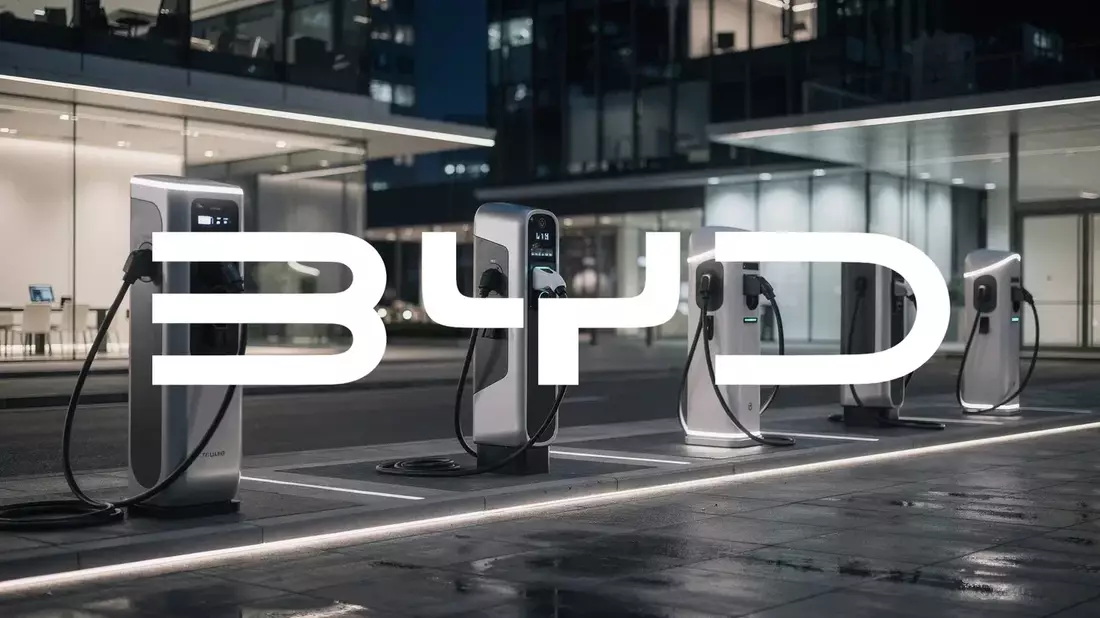
BYD’s global sales engine is firing on all cylinders, even as Europe’s doors remain hard to pry open. The Chinese electric-vehicle giant shipped nearly 175,000 vehicles abroad in June alone — a 94.7% surge from a year earlier — and has now rolled out its 17-millionth new energy vehicle (NEV) from the Xi’an plant. Yet beneath the record numbers lies a familiar tension: while exports soar, the home market is cooling and a coveted European partnership has slipped through its fingers.
Domestic sales fell 22% in June to 228,123 units, forcing BYD to rely ever more on overseas demand. Exports now account for 43% of monthly sales, and in the first half of the year the company shipped 769,330 vehicles from China — equivalent to 34.5% of the country’s total NEV exports. Including vehicles sold from its Hungarian plant and other overseas operations, total foreign sales reached nearly 789,000 units in the period. The group’s overall first-half deliveries came in at around 1.81 million vehicles.
The export push is partly a defensive move. Chinese tax incentives for EVs are set to begin phasing out in January 2027, squeezing margins in the home market. BYD’s management is targeting more than 1.5 million overseas sales for the full year, and the new second-generation Blade battery — which can charge from 10% to 97% in roughly nine minutes, even in extreme cold — is expected to generate up to 30,000 additional monthly sales.
Should investors sell immediately? Or is it worth buying BYD?
But Europe remains a tough nut. BYD twice approached Renault with an offer of a capital stake, possibly in exchange for its Blade battery technology — first in 2024 and again in 2025. Both advances were rebuffed, blocked in part by the French government, which holds significant voting rights in the automaker. The rejection underscores the political resistance Chinese carmakers face as they push into the continent.
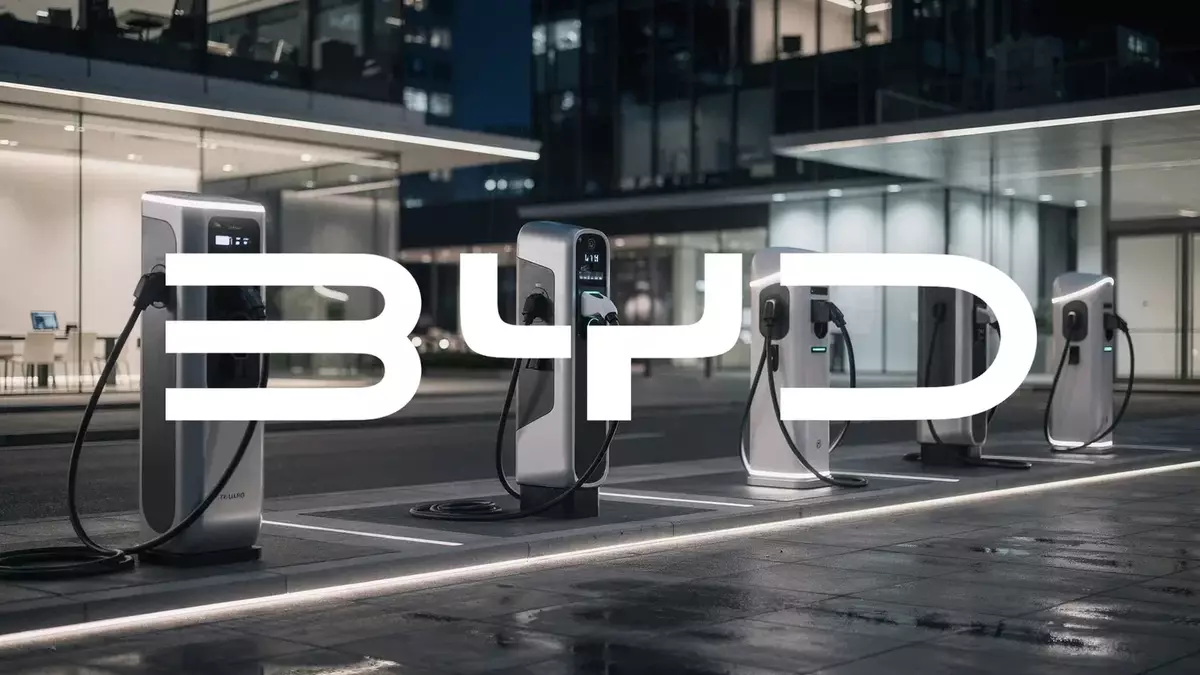
Undeterred, BYD is pressing ahead on multiple fronts. At the Goodwood Festival of Speed this week, it unveiled the Denza Z, an electric hypercar producing nearly 1,600 horsepower and capable of sprinting to 100 km/h in under two seconds. On the infrastructure side, the company has installed more than 7,000 fast-charging stations across over 300 cities and aims to have 20,000 in place by year-end. A recent memorandum of understanding with logistics firm CEVA will streamline its global supply chain, while a 11.275 GWh storage contract with Masdar will support a 5.2 GW solar project in Abu Dhabi.
None of this is translating into stock market gains. BYD’s shares closed at €9.45 on Thursday, up 2.17% on the day but down 13.73% year-to-date and 27.85% over the past twelve months. The price has recovered roughly 18% from its 52-week low of €8.03 hit in late June, but remains 36% below the high of €14.80 from July 2025. The 14-day relative strength index sits at a neutral 53.7, offering no clear directional signal.
With the home market softening and European expansion blocked by political hurdles, BYD’s export machine has become its lifeline — and the country’s most visible weapon in the race for global EV dominance. The question is whether operational momentum can eventually revive investor confidence.
Ad
BYD Stock: New Analysis - 10 July
Fresh BYD information released. What's the impact for investors? Our latest independent report examines recent figures and market trends.
Disclaimer regarding our articles: No investment advice, no buy or sell recommendation. Information on prices, companies, and markets is provided without guarantee; changes are possible at any time. Stock market transactions can lead to substantial losses. Our articles are created and reviewed in whole or in part automatically with the support of AI.