Rentokil stock trades steadily as investors weigh latest earnings and dividend
Published on 07/20/2026 at 17:19 | Editorial responsibility: Rafael Müller, Editor-in-Chief AD HOC NEWS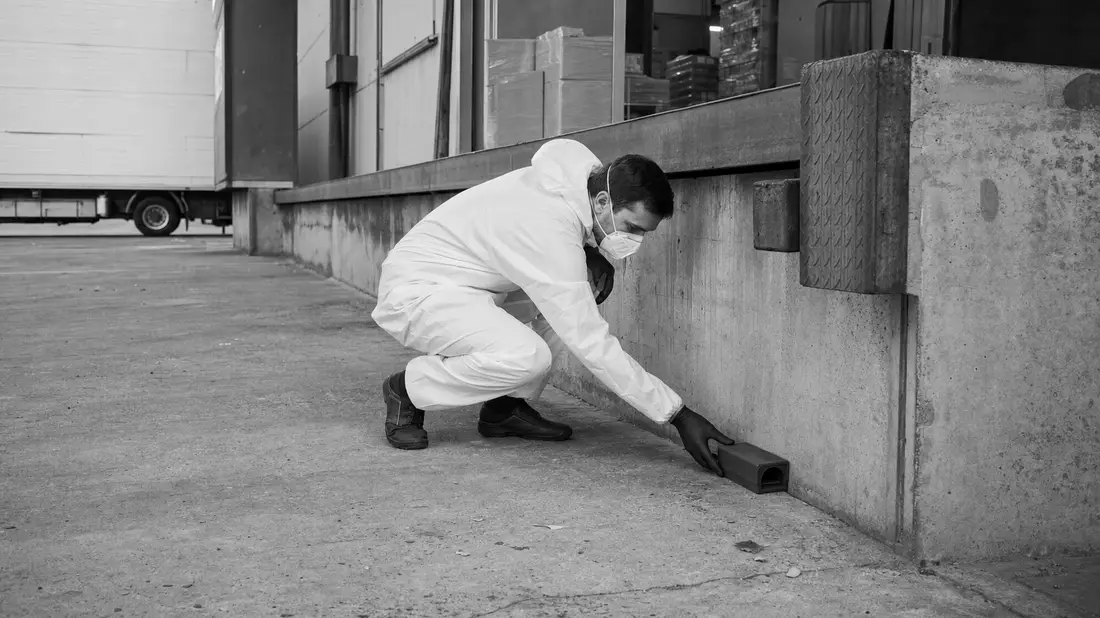
Rentokil Initial plc (ISIN GB00B082RF11) is a leading global provider of pest control and hygiene services, and Rentokil stock offers investors exposure to a combination of recurring service revenue and acquisitive growth in multiple regions. In its latest reported financial year, the company delivered multi-billion revenue, generated positive operating cash flow, and continued to pay dividends while absorbing costs from the acquisition and integration of Terminix in North America. For investors, the most important drivers now are the pace of organic revenue growth in pest control, the progress of cost synergies, and the balance between debt, interest costs, and ongoing shareholder returns.
Revenue growth and earnings context
Rentokil Initial's reported revenue in its most recent full financial year ran into several billion British pounds, reflecting both its long-standing international business and the acquisition-driven expansion pattern that has characterized the group in recent years. The company historically derives the majority of its revenue from pest control services, complemented by hygiene and workwear activities, and the purchase of Terminix significantly increased its exposure to the United States market. In the reported period, total revenue increased compared with the prior year, and this growth was driven by a mix of underlying organic expansion and the inclusion of acquired businesses over the course of the year.
Within that revenue figure, management highlighted that pest control delivered mid-single-digit organic revenue growth over the year, while hygiene and workwear contributed lower but still positive growth. Customer retention rates in key markets such as Europe and North America remained high, which supports the recurring nature of the revenue base. The company has often emphasized that its service contracts typically run over multiple years, which provides a degree of visibility into future revenue streams and helps underpin confidence in the sustainability of cash generation.
On the profitability side, Rentokil Initial reported operating profit and earnings before interest, tax, depreciation and amortization (EBITDA) metrics that showed margin pressure from integration costs and inflation, but still indicated a profitable core business. Adjusted operating profit, which excludes certain restructuring and integration charges, increased year on year, and the adjusted operating margin remained in the low to mid-teens in percentage terms. This profile suggests that while headline earnings may be temporarily impacted by exceptional items, the underlying service operations continue to generate returns that support ongoing investment and shareholder distributions.
Terminix integration and cost synergies
The acquisition of Terminix in North America was one of Rentokil Initial's most significant strategic moves of recent years, substantially enlarging its pest control footprint and bringing a large customer base under the Rentokil umbrella. In the latest reporting period, management continued to focus on integration activities aimed at harmonizing systems, processes, and branding, while also targeting cost synergies. These synergies include route optimization for service technicians, cross-selling of hygiene services to existing pest control customers, and consolidation of procurement to secure better terms from suppliers.
Integration comes with costs, and the company has recorded restructuring and integration charges that weigh on reported operating profit and net income. However, Rentokil Initial has communicated that it expects the net present value of the synergies to outweigh these near-term expenses. The strategic rationale is that a larger, more efficient pest control network across North America and other regions will eventually support higher margins and stronger cash flow. Investors in Rentokil stock therefore pay close attention to any updates on synergy realization, whether expressed in terms of annual run-rate savings or improvements in adjusted margins over time.
In addition to cost synergies, the Terminix deal has implications for revenue growth. By adding a broad portfolio of residential and commercial customers, Rentokil Initial can seek to increase wallet share through additional services, such as specialized termite protection, disinfection, or property care offerings. The effectiveness of these cross-selling strategies influences the company's ability to maintain or accelerate revenue growth, especially in a macroeconomic environment where some customers may seek to reduce discretionary spending.
Debt, interest costs, and dividend policy
Like many acquisitive service companies, Rentokil Initial carries a meaningful amount of debt on its balance sheet, partly associated with financing the Terminix acquisition and previous transactions. The latest available financial statements indicate that net debt stands in the billions of British pounds, and that interest expense has risen compared with earlier periods due to both higher debt levels and a broader environment of increased interest rates. The company emphasizes that it manages its leverage within a target range and uses cash flow from operations to service its obligations and gradually reduce net debt.
Alongside its debt profile, Rentokil Initial maintains a dividend policy designed to return a portion of earnings to shareholders. In the most recent full year, the company declared and paid a total dividend per share that was either in line with or modestly above the prior year's level, signaling an intention to preserve income for investors despite integration-related expenses. For holders of Rentokil stock, this dividend stream provides a tangible component of total return, although the balance between dividends and debt reduction remains an area of ongoing scrutiny.
Interest costs are a particularly important factor for valuation, since higher financing expenses reduce net income and can impact the company's ability to fund acquisitions or increase dividends. Investors therefore monitor metrics such as the interest coverage ratio and the proportion of fixed versus floating-rate debt. Rentokil Initial has indicated that a significant portion of its borrowings are fixed over multi-year periods, which offers some protection against further interest rate increases, but any refinancing activity will be watched closely to see how terms evolve over time.
Cash flow, capital expenditure, and organic growth
Rentokil Initial's business model generates cash flow from a broad base of service contracts, and the latest reported year showed positive operating cash flow that could support both investment and shareholder distributions. Capital expenditure primarily relates to vehicles, equipment, and technology systems that enable efficient service delivery, and management has indicated that capex remains within a relatively predictable range as a percentage of revenue. This reflects a mature operating model where incremental growth does not require disproportionate capital investments.
Organic growth in pest control services is driven by several factors, including population density, regulatory requirements, and heightened awareness of health and hygiene standards. Rentokil Initial continues to invest in sales and marketing activities to reach new customers, while also refining its service offerings with digital tools and data analytics. For example, route optimization software can reduce travel time for technicians, while predictive analytics can help prioritize service calls where the likelihood of infestations is highest.
In hygiene, the company benefits from long-term trends such as increased attention to cleanliness in commercial spaces, food manufacturing, and healthcare facilities. While growth in hygiene may not match the pace of pest control, it offers a complementary revenue stream that can be more resilient during economic cycles. Taken together, these drivers support the thesis that Rentokil stock is linked to structural demand for services that are often considered non-discretionary or at least highly important for compliance and safety.
Regional performance and market positioning
Rentokil Initial operates across multiple regions, including Europe, North America, Asia, and other markets, and regional performance can vary depending on local economic conditions and regulatory frameworks. In recent reporting periods, North America has become an increasingly large contributor to overall revenue due to the Terminix acquisition, with Europe and the rest of the world providing a diversified base. The company often reports revenue by region and highlights growth trends, noting where demand for pest control and hygiene services is particularly strong.
In many markets, Rentokil Initial faces competition from both global peers and local providers, but its scale offers advantages in terms of brand recognition, service coverage, and operational efficiency. By leveraging centralized procurement and shared technology platforms, the company seeks to maintain margin resilience even in markets where pricing pressure is present. For investors, understanding how Rentokil positions itself against competitors helps contextualize the revenue and margin figures reported each quarter and year.
Building and maintaining long-term customer relationships is central to the company's strategy. Rentokil Initial emphasizes service quality and adherence to regulatory standards, which is crucial in industries such as food processing and hospitality where pest and hygiene failures can have serious consequences. Maintaining high service levels supports the company's ability to retain clients, justify contract renewals, and avoid price erosion, all of which contribute to the stability of Rentokil stock as part of a diversified equity portfolio.
Pest control service portfolio
Rentokil Initial offers a wide range of pest control services covering rodents, insects, termites, and other infestations, using a combination of physical traps, chemical treatments, and preventive measures tailored to local regulations and customer needs. The company continuously updates its methods to align with evolving environmental standards and to minimize impact on non-target species. These services form the core of its revenue base and are especially important in sectors where compliance with health and safety regulations is mandatory.
In addition to traditional pest control, Rentokil Initial has developed specialist offerings such as termite protection plans, bird control services, and disinfection solutions that gained more visibility during periods of heightened awareness of cleanliness. Through these expanded offerings, the company seeks to deepen relationships with existing customers and broaden its addressable market. For investors analyzing Rentokil stock, the breadth of the service portfolio matters because it shapes both the resilience of revenue and the scope for cross-selling.
Rentokil stock and market perception
From a market perspective, Rentokil stock is generally viewed as a defensive exposure linked to essential services rather than discretionary consumer spending. The recurring nature of contracts, the diversified geographic footprint, and the combination of organic growth with acquisitions contribute to this perception. However, the stock's performance also reflects concerns around leverage, interest costs, and integration risk, particularly following large transactions such as the Terminix acquisition.
Over recent reporting periods, analysts and market participants have debated the appropriate valuation multiples for Rentokil Initial, weighing its growth prospects against the challenges inherent in rolling up service businesses across multiple markets. Metrics such as the ratio of net debt to EBITDA, the trajectory of adjusted operating margins, and the stability of dividend payments play a role in these discussions. For a long-term investor, the key questions revolve around whether the company can deliver continued revenue growth and margin improvement while gradually reducing leverage.
The trading behavior of Rentokil stock on its primary listing venue reflects a balance between income-oriented investors attracted by dividends and growth-oriented investors focusing on the expansion of the pest control business. Liquidity is supported by the company's inclusion in major indices and by its relatively large market capitalization compared with smaller local service providers. As such, Rentokil stock can be considered a mainstream holding within the broader European and global equity universe.
Fact box and investor tools
The company provides detailed information for investors through dedicated sections of its website and through regulatory filings, including annual and interim reports, presentations, and sustainability disclosures. These materials offer a breakdown of revenue by segment and region, explanations of key performance indicators, and discussions of strategy and risk factors. For those considering or holding Rentokil stock, these documents are valuable tools for understanding how management views the business and sets priorities over the medium term.
Beyond corporate materials, financial data providers and exchange portals supply quote information, historical price charts, and consensus data that can complement primary sources. While all such information should be cross-checked against official filings for accuracy, they allow investors to quickly gauge price performance over various time horizons, see how Rentokil stock has behaved around earnings announcements, and compare valuation metrics with peers.
Combining official reports with market data and independent analysis enables a more rounded view of Rentokil Initial's situation. It allows investors to place individual figures, such as revenue growth rates or changes in margins, into a broader narrative of strategic evolution and financial discipline. As the company progresses with integration and continues to refine its service offerings, these tools will remain central to assessing whether Rentokil stock aligns with an investor's desired blend of growth, income, and risk.
Representative service offering
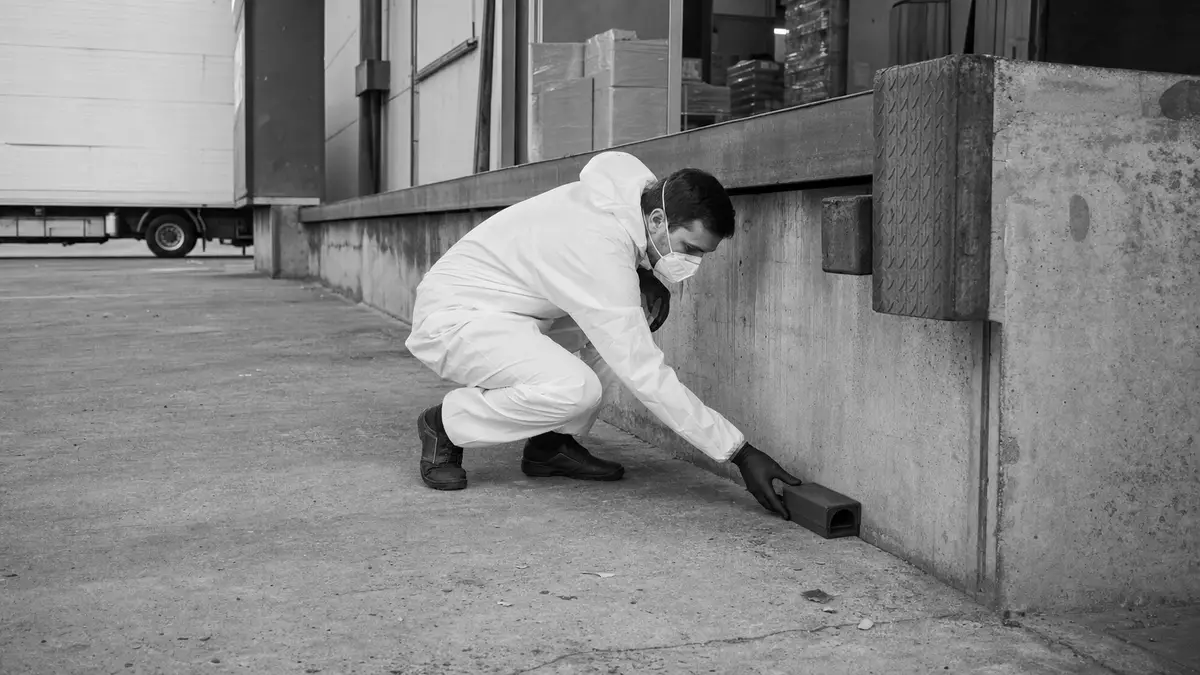
Within its broad business portfolio, Rentokil Initial's core pest control services are representative of how the company generates revenue and maintains customer relationships. These services typically involve scheduled inspections, preventive treatments, and responsive actions when infestations are detected. Commercial customers such as restaurants, food manufacturers, and hotels rely on these arrangements to ensure compliance with health regulations and to protect their reputations.
The pest control segment also benefits from ongoing innovation, including digital monitoring systems that can detect activity in traps or sensors and transmit data to service teams. This technology allows for more targeted interventions and can reduce both labor and material costs over time. For Rentokil stock, the success of such initiatives can influence the trajectory of margins and the sustainability of revenue growth, since a more efficient service model can support both competitive pricing and profitability.
Stock context and closing view
Rentokil stock trades on the London Stock Exchange in British pence and is part of the broader UK and European equity landscape. Its market capitalization, measured in billions of pounds, reflects the scale of the company's operations and its status as a significant player in global pest control and hygiene services. The stock's performance over time is shaped not only by company-specific factors such as earnings and integration progress, but also by broader macroeconomic conditions and investor sentiment toward defensive service businesses.
For investors evaluating Rentokil Initial, the key considerations remain the balance between growth and leverage, the resilience of demand for pest control and hygiene services, and the company's ability to maintain or grow its dividend while managing integration and interest costs. Rentokil stock offers exposure to structural trends in health and safety, but requires ongoing attention to operational execution and financial discipline.
Rentokil Initial at a glance
- Company: Rentokil Initial plc
- ISIN: GB00B082RF11
- Ticker: LSE: RTO
- Trading venue: London Stock Exchange
- Sector / Industry: Commercial Services / Business Services
- Index membership: FTSE 100
Disclaimer regarding our articles: No investment advice, no buy or sell recommendation. Information on prices, companies, and markets is provided without guarantee; changes are possible at any time. Stock market transactions can lead to substantial losses. Our articles are created and reviewed in whole or in part automatically with the support of AI.