Rheinmetall’s Büffel Order Offers Temporary Respite, but the Frigate Hangover Persists
Veröffentlicht: 29.06.2026 um 22:12 Uhr, Redaktion boerse-global.de
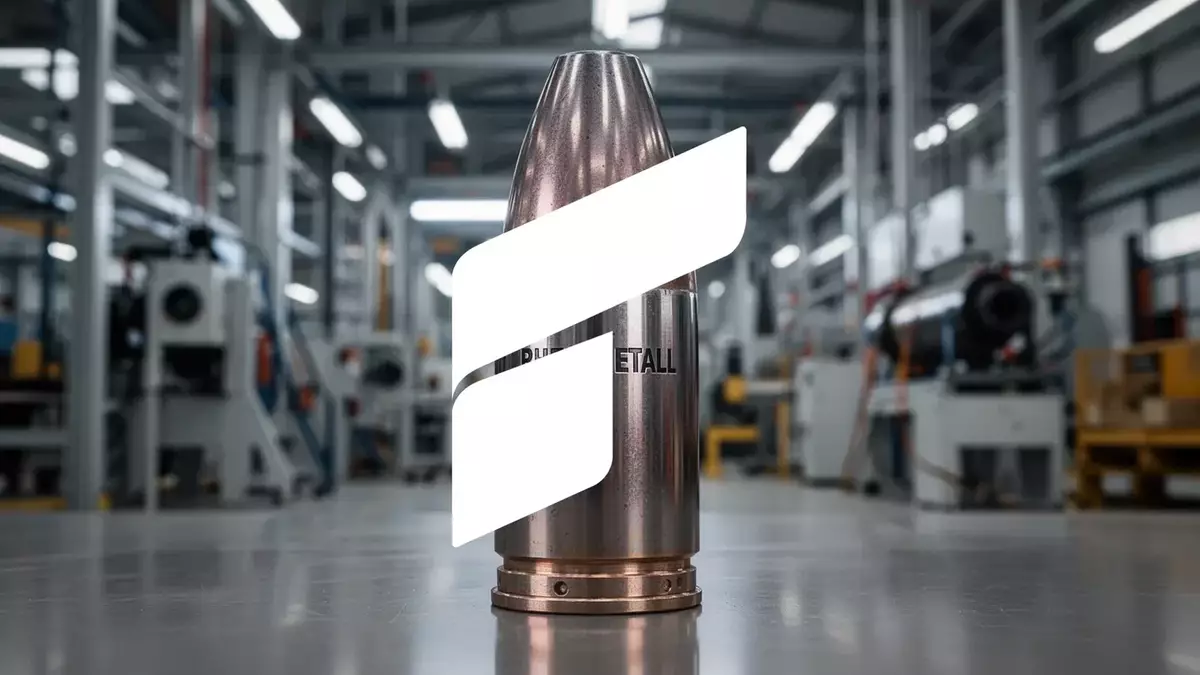
After losing more than a fifth of its value in a single week, Rheinmetall shareholders finally caught a break on Monday. The defence group’s shares climbed 3.7% to €975.80, snapping a brutal slide that pushed the stock to a 52-week low of €902.50 just four days earlier. The immediate catalyst: a fresh €360 million deal from the Bundeswehr to build 23 “Büffel” recovery vehicles — but the bigger picture remains clouded by the fallout from a cancelled frigate project that never even made it into the order book.
The new contract, which replaces units Germany donated to Ukraine, calls for the first vehicle to be delivered by December 2027 and the full batch by June 2029. Analysts were quick to call the order a vote of confidence in Land Systems, the division least affected by the navy setback. DZ Bank trimmed its price target to €1,705 but kept a “buy” rating, arguing that the market’s reaction to the F126 cancellation was disproportionate to the actual profit impact. The logic is straightforward: Rheinmetall lost more than €10 billion in market capitalisation over a programme that was never formally booked.
Yet the numbers from the collapse are still jarring. The F126 frigate programme, had it materialised, would have been worth up to €13 billion over its lifetime. Investors sold first and asked questions later. Over the previous seven trading days the stock shed more than 17%, and since the start of 2025 the decline now stands at roughly 39%. The relative strength index has slipped to 29.7, deep in oversold territory — a technical condition that often precedes a bounce, but by no means guarantees one.
Should investors sell immediately? Or is it worth buying Rheinmetall?
Underpinning the bull case is an order backlog that continues to swell. At the end of December 2025, Rheinmetall’s outstanding contracts stood at €63.8 billion, a record high. Management is targeting revenue growth of 40–45% in 2026, aiming for €14–14.5 billion with an operating margin of about 19%. By 2030 the ambition is even bolder: €50 billion in annual sales with margins above 20%. Capacity expansion is already under way; by 2027 the company expects to churn out up to 1.1 million artillery shells a year, backed by more than €130 million in EU subsidies.
The bears, however, point to the very mechanism that caused the F126 shock. A single political decision that never materialised sliced the share price in half. That fragility is not an anomaly — it is a feature of a sector where government procurement cycles, export licences, and budget debates can rewrite the script overnight. Operationally, the challenge is converting a record backlog into actual cash. Free-cash-flow forecasts for 2026 have recently disappointed relative to market expectations, and large-scale production carries its own risks: supply chains, raw material costs, and energy prices all have to co-operate.
Rheinmetall’s management is not waiting for clarity. Chief executive Armin Papperger has been diversifying the portfolio with purpose. A joint venture with space company OHB, dubbed OHB Rheinmetall Space Networks, is gearing up to bid for the Bundeswehr’s SATCOMBw 4 satellite communications system. Separately, a partnership with Greece’s GEK TERNA will focus on the modernisation and maintenance of military systems in the Hellenic market. Both moves reduce the concentration risk that the F126 episode laid bare.
For now, the market is watching two critical thresholds. The €902.50 low, if it holds on a closing basis, offers a technical floor. Above that, the €1,000 level has become a psychological marker that traders are eyeing as the first stage of a potential recovery. But the real test will come with the next quarterly report, when investors will scrutinise free-cash-flow generation and look for evidence that the order book can be translated into real earnings. The Büffel deal helps steady the nerves; whether it signals a genuine trend change depends on what the company delivers next.
Ad
Rheinmetall Stock: New Analysis - 29 June
Fresh Rheinmetall information released. What's the impact for investors? Our latest independent report examines recent figures and market trends.
Disclaimer zu unseren Artikeln: Keine Anlageberatung, keine Kauf oder Verkaufsempfehlung. Angaben zu Kursen, Unternehmen und Märkten ohne Gewähr; Änderungen jederzeit möglich. Börsengeschäfte können zu hohen Verlusten führen. Unsere Beiträge werden ganz oder teilweise automatisiert mit Unterstützung von AI erstellt und geprüft.