Rheinmetall's Post-F126 Pivot: A €360 Million Tank Order and a Satellite Play Can't Fully Mask a Trust Deficit
Veröffentlicht: 30.06.2026 um 05:32 Uhr, Redaktion boerse-global.de
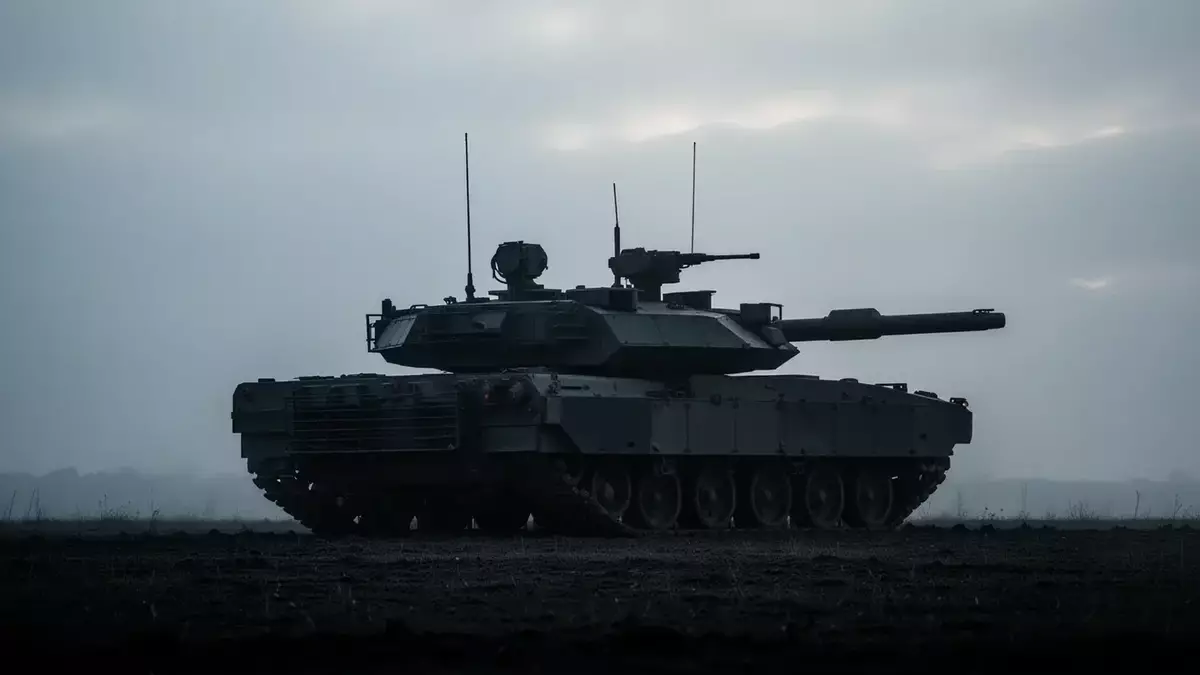
The past week has delivered a starkly divided narrative for Rheinmetall. On one side, the German defence group secured a €360 million order for 23 "Büffel" armoured recovery vehicles, a tangible sign that demand for land systems remains healthy. On the other, the abrupt cancellation of the €13 billion F126 frigate programme sent shares tumbling to a 52-week low of €902.50, and left a deeper question hanging over the company's credibility with investors. The market’s reaction has been swift and severe—but some analysts argue the damage goes beyond the lost revenue.
The Bundeswehr pulled the plug on the F126 project on 24 June, citing chronic delays, ballooning costs, and unmanageable risks. Damen Schelde Naval Shipbuilding was originally the prime contractor; a potential switch to Naval Vessels Lürssen was evaluated and rejected. Instead, the ministry plans to buy eight MEKO A-200 DEU frigates—four at an estimated €6.3 billion, with an option for four more at roughly €5.3 billion. That compares with the €18 billion price tag originally attached to the six F126 units. Morgan Stanley, in a note published on 29 June, acknowledged a limited direct earnings hit for Rheinmetall but warned that the decision had damaged market confidence in the predictability of German procurement. “That is a structural signal, not a one-off event,” the bank’s analysts wrote.
Against that backdrop, the Büffel order landed as a welcome counterweight. The Bundeswehr is replenishing vehicles donated to Ukraine, with deliveries slated from December 2027 to June 2029. The DZ Bank trimmed its price target to €1,705 following the recent rout but maintained a buy rating, arguing that the sell-off was disproportionate to the actual profit foregone on the F126 programme. The stock bounced 3.7% on Monday to close at €974.80, though it still sits 39% below its start-of-year level and roughly 37% under its 200-day moving average of €1,556.74. Technical indicators flash oversold: the relative strength index stands at 29.7, and annualised 30-day volatility has spiked to nearly 66%.
Should investors sell immediately? Or is it worth buying Rheinmetall?
Rheinmetall has not been idle in seeking to broaden its earnings base. In early March it completed the acquisition of the military naval division of Naval Vessels Lürssen, creating a domestic system house for warships and autonomous maritime systems. That unit, now labelled Naval Systems, contributed €1.938 billion in revenue in the first quarter of 2026 and an operating profit of €224 million, with a dedicated order backlog of €5.5 billion. The group’s total backlog stood at €73 billion as of the Q1 report, up from roughly €64 billion at the end of 2025—growth driven largely by the Lürssen deal and earlier land-system contracts.
Diversification is also extending beyond the sea. Chief executive Armin Papperger has forged a joint venture with satellite specialist OHB called OHB Rheinmetall Space Networks, which will bid for the Bundeswehr’s SATCOMBw 4 communications system. Another partnership, with Greek industrial group GEK TERNA, targets the modernisation and maintenance of military equipment in Greece. Both moves fit a strategy of widening the revenue base through European alliances, reducing reliance on any single programme.
Morgan Stanley has flagged the Boxer armoured vehicle programme as the most promising catalyst for a recovery, while new orders in ammunition, air defence, and even naval business could gradually restore confidence in the company’s visibility. For now, the market is weighing a €360 million tank order against the loss of a frigate programme ten times that size—and waiting for the next concrete contract to tip the scales. The gap between the current share price and the 200-day average, a chasm of more than 37%, serves as a stark measure of how much rebuilding is still needed.
Ad
Rheinmetall Stock: New Analysis - 30 June
Fresh Rheinmetall information released. What's the impact for investors? Our latest independent report examines recent figures and market trends.
Disclaimer zu unseren Artikeln: Keine Anlageberatung, keine Kauf oder Verkaufsempfehlung. Angaben zu Kursen, Unternehmen und Märkten ohne Gewähr; Änderungen jederzeit möglich. Börsengeschäfte können zu hohen Verlusten führen. Unsere Beiträge werden ganz oder teilweise automatisiert mit Unterstützung von AI erstellt und geprüft.