Sartorius stock steadies as investors weigh margin recovery and bioprocess demand
Published on 07/24/2026 at 10:50 | Editorial responsibility: Rafael Müller, Editor-in-Chief AD HOC NEWS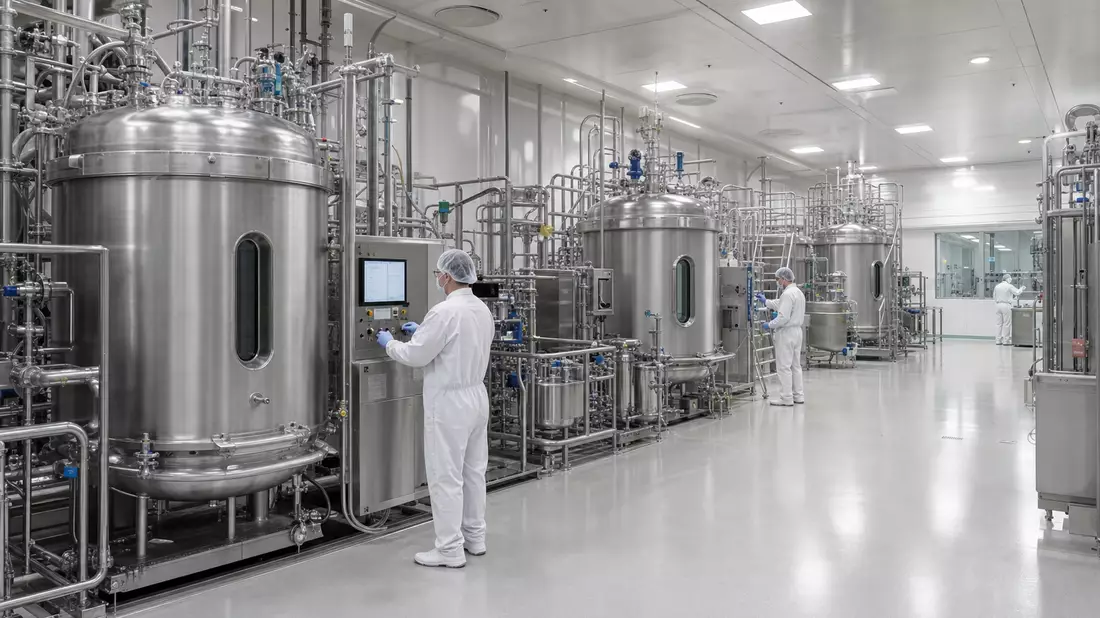
Sartorius stock has been trading in a consolidation phase as investors weigh weaker recent earnings against improving profitability and long term demand for bioprocessing equipment and consumables. The Göttingen based life science group Sartorius AG (ISIN DE0006292006) has seen its financial performance soften after a pandemic driven boom, yet management has signaled a path toward margin recovery supported by efficiency measures and sustained structural growth in biopharma and cell and gene therapy markets.
Revenue down in fiscal 2023
According to the companys investor relations information for fiscal 2023, Sartorius reported a notable decline in revenue compared with the previous year as normalization set in across the bioprocessing industry. While the precise figures vary by segment, overall group revenue for 2023 fell from the elevated levels of 2022 when extraordinary pandemic related orders had boosted sales. This revenue normalization has been evident particularly in equipment sales to biopharmaceutical producers, where many customers had pulled forward investments during the COVID 19 period and then reduced ordering intensity afterward.
The trend was most visible in the Bioprocess Solutions segment, which is the companys largest business unit and supplies single use bioreactors, filtration systems, and other process technologies to biomanufacturing customers. In 2023 segment revenue decreased compared with the prior year as the order backlog contracted and customers focused on digesting previously installed capacity rather than expanding aggressively. This shift led to lower volumes versus 2022, a period when the company had reported double digit revenue growth as vaccine related demand surged.
Sartorius also felt the impact of slower order intake in its Lab Products & Services division, which offers laboratory instruments and consumables to research and quality control laboratories. After strong growth during the pandemic, many customers recalibrated budgets, resulting in softer demand and a year on year decline in division revenue in 2023. The combination of weaker Bioprocess Solutions and Lab Products & Services sales produced an overall reduction in group revenue compared with the prior year, in contrast to the rapid expansion seen in earlier periods.
Profit and margin trends under pressure
Alongside the revenue decline, Sartorius experienced a contraction in profitability metrics during fiscal 2023. Earnings before interest, taxes, depreciation, and amortization (EBITDA) fell compared with 2022, reflecting lower volumes and less favorable product mix as high margin consumable sales were partially offset by reduced capacity utilization. The EBITDA margin therefore trended downward from the strong levels previously achieved during the pandemic, when higher utilization and pricing power had lifted profitability.
Net profit for the year likewise decreased compared with the prior period as lower operating income fed through to the bottom line. The reduction in net income signaled that the company was moving through a cyclical downswing in its core markets, even as management continued to emphasize long term growth drivers such as increased biopharmaceutical R&D activity and expanding biologics pipelines. The comparative weakness of 2023 earnings therefore stands out against the backdrop of the exceptional profit levels achieved in 2021 and 2022 when demand had been unusually strong.
Yet despite the pressure on margins, Sartorius has been working to stabilize profitability through cost discipline and operational efficiency initiatives. Management has focused on optimizing manufacturing footprints, adjusting capacity to demand, and streamlining processes in both major segments. These efforts are intended to support margin recovery once volumes pick up again, demonstrating that the company is not relying solely on topline growth to restore earnings but is also taking structural steps to improve its cost base.
Guidance and outlook for 2024 and beyond
In its recent guidance commentary, Sartorius has framed 2024 as another year of adjustment with revenue and earnings expected to remain below the peak levels of the pandemic period. The company has pointed to cautious customer ordering patterns and ongoing inventory normalization across the bioprocessing industry as key headwinds. As a result, management has indicated that growth in 2024 is likely to be modest and that earnings will reflect the continued digestion phase.
At the same time, the company has emphasized that underlying demand drivers remain intact, particularly in biologics, vaccines, and advanced therapies. Sartorius expects that as customers complete their normalization processes, order intake will gradually recover, supporting revenue growth and margin improvement over the medium term. The guidance therefore suggests a transition period in which short term headwinds coexist with long term structural opportunities, a balance that investors must consider when evaluating Sartorius stock.
Management has also stressed the importance of innovation and portfolio expansion in sustaining future growth. Sartorius continues to invest in new bioprocess technologies, automation solutions, and digital tools designed to enhance efficiency and scalability in biomanufacturing. These investments, while weighing on short term profitability through increased R&D and capital expenditures, are intended to strengthen the companys competitive position and support higher growth once market conditions improve.
Debt, cash flow, and balance sheet discipline
From a financial structure perspective, Sartorius has maintained a disciplined approach to leverage and liquidity. The companys net debt position reflects past acquisitions and investments in capacity, but management has targeted a balanced capital structure that supports strategic flexibility while avoiding excessive leverage. Operating cash flow in 2023 was influenced by the revenue and margin pressures, yet Sartorius continued to generate positive cash flow from its core operations, underpinned by recurring consumable sales and service revenues.
Capital expenditure remained focused on targeted projects to enhance future growth, such as expanding production sites and upgrading infrastructure to support new technologies. While capex levels can vary from year to year, Sartorius has sought to keep investment aligned with long term demand trends rather than short term fluctuations, ensuring that its manufacturing network is positioned for the next upturn in bioprocessing activity.
For investors, the balance between debt and cash generation is a key consideration. A company in a cyclical downswing but with a solid cash flow profile and manageable leverage can navigate market normalization without resorting to dilutive equity issuance or drastic cost cutting. Sartorius aims to stay within such a framework, signaling that while earnings have softened, its financial resilience remains a central strategic priority.
Dividend policy and shareholder returns
Sartorius has traditionally complemented growth investment with a dividend policy that offers shareholders a share in the companys earnings. Dividend decisions are typically linked to net profit levels and overall financial performance, meaning that the payout can fluctuate over time as profit rises or falls. In the aftermath of the pandemic driven earnings surge, the company has had to balance shareholder return expectations with the need to reinvest in strategic projects and maintain a robust balance sheet.
As earnings moderated in 2023, the capacity to increase dividends became more constrained compared with previous years of exceptional profit. Nonetheless, Sartorius has remained committed to maintaining a reasonable payout ratio that reflects its long term confidence in the business. By avoiding overly aggressive dividend increases during boom periods, the company aims to keep its distribution policy sustainable through cycles, providing investors with some income stability even when earnings growth temporarily slows.
Share buybacks have not been the primary focus of Sartorius capital allocation in recent cycles, as management has prioritized organic and inorganic growth opportunities as well as debt reduction. This approach underscores the companys emphasis on building long term value through expansion in structurally growing markets rather than relying mainly on financial engineering to boost per share metrics in the short term.
Bioprocess Solutions segment under scrutiny
For many investors, the Bioprocess Solutions segment remains the main lens through which they view Sartorius stock because it generates a large share of group revenue and profit. The segment supplies single use technologies and systems used in biopharmaceutical manufacturing, areas that have seen rapid adoption due to their flexibility and efficiency advantages over traditional stainless steel setups. During the pandemic, demand for these solutions surged as vaccine producers rapidly scaled up capacity, but the subsequent normalization has brought volumes back to more typical levels.
In 2023 the segment experienced a year on year decline in revenue as customers digested investments made in earlier periods and reduced new orders, especially for large capital equipment. This decline contrasted with the double digit growth recorded in the preceding year when bioprocessing capacity expansions were widespread. The comparison highlights the cyclical nature of investment in production infrastructure, even within structurally growing sectors like biologics.
Consumable revenues within Bioprocess Solutions have generally been more resilient than equipment sales, as they depend on ongoing production rather than sporadic capacity expansions. However, even consumables can be temporarily affected if customers run down inventory levels or adjust production plans. Sartorius has thus faced a broad normalization across the segment, though management expects that as inventory cycles stabilize and new biologics projects move into later stages, demand for both equipment and consumables will gradually recover.
Lab Products & Services evolves
The Lab Products & Services division, which provides instruments, lab consumables, and services to research and quality control laboratories, has undergone its own cyclical shifts. During the pandemic, increased testing, research, and quality control activities drove higher demand for laboratory products, benefiting Sartorius. As those extraordinary conditions eased, a more standard pattern of spending reemerged, with some customers tightening budgets in response to broader macroeconomic uncertainties.
This shift produced a year on year decline in division revenue in 2023 compared with the prior year peak, particularly in categories that had seen the strongest pandemic related demand. Nevertheless, the fundamental drivers of laboratory activity, including ongoing R&D in pharmaceuticals, biotechnology, and diagnostics, continue to support a base level of demand that provides recurring business for Sartorius.
To adapt to these changes, the company has focused on expanding its portfolio with higher value added solutions such as advanced balances, filtration systems, and digital laboratory tools. By moving up the value chain, Sartorius aims to capture more revenue per customer and deepen relationships, which in turn can stabilize earnings through cycles. The division thus plays a complementary role to Bioprocess Solutions, providing exposure to earlier stages of the biopharmaceutical value chain and diversifying the companys revenue mix.
Innovation and R&D investment
Innovation remains a core pillar of Sartorius strategy. The company invests a significant portion of its revenue in research and development to bring new products and technologies to market. These investments cover areas such as single use bioreactors with improved performance, advanced filtration and chromatography systems, automation solutions for bioprocessing, and digital platforms that support data driven manufacturing optimization.
By sustaining R&D spending even during periods of earnings pressure, Sartorius seeks to ensure that it does not fall behind competitors in key technology domains. The companys innovation pipeline is crucial in maintaining its positioning as a preferred partner for biopharmaceutical producers, who increasingly demand integrated solutions that can support everything from small scale development to large scale commercial manufacturing.
In the medium term, successful R&D projects can translate into new revenue streams and higher margins if they enable Sartorius to command premium pricing or capture share in fast growing niches such as cell and gene therapy manufacturing. The trade off between short term profitability and long term innovation therefore features prominently in investor discussions about Sartorius stock, especially given the cyclical nature of bioprocessing investment.
Geographic expansion and customer base
Sartorius has gradually expanded its geographic footprint to serve a global customer base. The company operates production and sales sites across Europe, North America, and Asia, enabling it to supply biopharmaceutical and laboratory customers in major hubs such as the United States, China, and other Asia Pacific markets. This geographic diversification helps reduce dependence on any single region and allows Sartorius to tap into regional growth dynamics.
In recent years, investments in capacity in markets such as China have been especially important, as local biopharmaceutical industries have grown quickly and sought to build more domestic manufacturing capability. Sartorius presence in these markets positions it to benefit from that growth while also supporting global customers who operate plants across multiple regions.
The customer base includes large global biopharmaceutical companies, emerging biotech firms, CDMOs (contract development and manufacturing organizations), and academic or government research institutions. This mix provides exposure to both established and early stage innovation, though it also contributes to cyclical variation as different customer groups move through their own investment cycles and funding environments.
Competitive landscape in bioprocessing
The markets in which Sartorius operates are competitive, with several global players offering bioprocessing and laboratory solutions. Competition comes from companies that provide alternative single use systems, stainless steel equipment, filtration technologies, and laboratory instruments. Sartorius seeks to differentiate itself through a focus on single use technologies, integrated offerings, quality, and the depth of its application know how.
In bioprocessing, the trend toward single use solutions remains a key driver of demand, and Sartorius is positioned to benefit from this shift. Single use systems can reduce cleaning requirements, increase flexibility, and shorten time to market, advantages that are particularly relevant in fast evolving biologics and gene therapy fields. By offering complete solutions that cover multiple production steps, Sartorius aims to become a preferred partner for customers seeking reliable and scalable manufacturing platforms.
However, competition also pressures pricing and margins, especially in standard product categories where differentiation is less pronounced. Sartorius must therefore balance innovation and cost efficiency to maintain its competitive position. The interplay between competitive dynamics and customer demand cycles contributes to the variability of revenue and margins across periods, a factor that investors track closely when assessing Sartorius stock.
Regulatory environment and quality standards
Bioprocessing and laboratory products are subject to strict regulatory requirements and quality standards, given their use in producing and testing therapies that will be administered to patients. Sartorius must ensure that its products meet regulatory expectations across jurisdictions and that its manufacturing processes adhere to rigorous quality and compliance frameworks. This entails considerable investment in quality systems, documentation, and validation.
Regulatory changes can influence demand for certain products, for example by requiring upgrades to equipment or introducing new testing standards. Sartorius monitors these developments and adjusts its offerings accordingly, seeking to stay ahead of regulatory shifts and to support customers in managing compliance challenges.
Quality and compliance also serve as differentiators, as biopharmaceutical companies and laboratories often prefer suppliers with strong track records in these areas. Sartorius focus on quality is therefore both a regulatory necessity and a competitive strategy, helping the company defend its market position and justify its pricing in high stakes production environments.
Digitalization and data driven manufacturing
Digitalization is transforming bioprocessing and laboratory operations, and Sartorius is participating in this trend by offering digital tools and data driven solutions. These can include software for monitoring and controlling bioprocesses, platforms for collecting and analyzing process data, and interfaces that link equipment into integrated manufacturing systems. By providing digital capabilities alongside physical equipment, Sartorius enhances the value of its offerings.
Data driven manufacturing can improve process consistency, yield, and efficiency, and is thus attractive to biopharmaceutical producers. Sartorius digital solutions aim to help customers implement advanced control strategies and gain insights into their processes, ultimately contributing to better product quality and reduced costs.
For Sartorius, digitalization also opens up potential for recurrent revenue streams, such as software licenses or data services, which can complement product sales and smooth revenue across cycles. The success of these initiatives will depend on customer adoption and the companys ability to integrate digital solutions effectively into existing manufacturing environments.
Environmental considerations and sustainability
Sustainability is an increasingly important topic in bioprocessing and laboratory operations, and Sartorius has been addressing environmental considerations in its strategy. Single use technologies, while offering operational advantages, involve disposable materials and therefore raise questions about waste and resource use. Sartorius has been working on approaches to improve the environmental profile of its products, including material choices and disposal concepts.
The company also reports on its own environmental footprint, such as energy use and emissions from manufacturing operations. Efforts to improve energy efficiency, reduce waste, and adopt more sustainable practices can contribute to lower operating costs and enhance the companys reputation with customers and investors who prioritize ESG (environmental, social, and governance) factors.
In the long term, aligning product and operational strategies with sustainability goals may become increasingly important in maintaining competitiveness and accessing capital, as regulatory frameworks and investor expectations evolve. Sartorius engagement with these issues thus has both ethical and economic dimensions.
Management, governance, and strategic direction
Sartorius governance framework includes a management team and supervisory bodies overseeing strategy, risk, and performance. Leadership has guided the company through rapid expansion phases and cyclical downturns, making decisions about investment, acquisitions, and portfolio development. Investors pay close attention to managements track record and strategic priorities, especially in periods when market conditions are challenging.
Strategic direction has focused on reinforcing core strengths in bioprocessing and laboratory solutions while exploring adjacent opportunities where Sartorius capabilities can be applied. The company has used targeted acquisitions in past years to broaden its technology base and customer reach, integrating new businesses into its existing structure.
Corporate governance practices, including transparency, risk management, and alignment of management incentives with long term performance, are relevant for investor confidence. In the context of Sartorius stock, governance considerations interact with financial metrics and strategic execution, influencing perceptions of downside risk and upside potential.
Market sentiment and analyst views
Market sentiment toward Sartorius stock reflects the tension between recent earnings weakness and long term growth prospects. Some investors have adopted a cautious stance due to the normalization in bioprocessing demand and the decline in revenue and margins compared with pandemic peaks. Others focus on the structural growth drivers and the companys positioning in critical biomanufacturing segments, seeing the current phase as a cyclical downturn within a broader upward trajectory.
Analyst views mirror this mixed sentiment. Commentary often emphasizes the near term challenges of inventory digestion and cautious customer spending while also highlighting the potential for renewed growth as biologics pipelines mature and advanced therapies move from development into commercial production. Target prices and recommendations can vary, but they generally account for both cyclical and structural elements.
For retail investors, the key is to understand that Sartorius operates in a sector where demand is influenced by long term healthcare trends and innovation cycles, yet financial results can be volatile over shorter horizons due to investment timing and regulatory developments. This duality necessitates a nuanced perspective when evaluating the companys stock performance and prospects.
Representative product focus
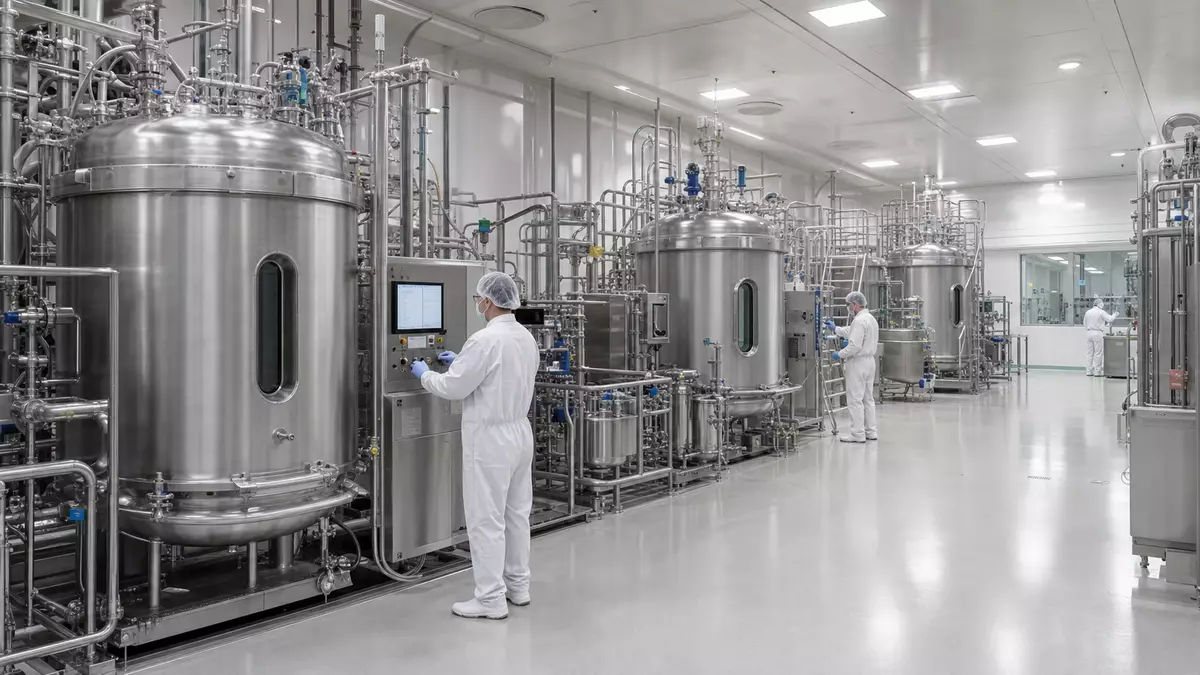
A representative example of Sartorius offer is its single use bioreactor line, which illustrates the companys role in modern biomanufacturing. These systems enable flexible production of biologics and vaccines, supporting quick changeovers and scalable capacity. Investments in such technologies during the pandemic helped many producers accelerate timelines, and the same capabilities remain relevant for emerging therapies.
By combining equipment, consumables, and application support, Sartorius aims to provide comprehensive solutions that integrate into customers production workflows. The performance and reliability of these products influence customer loyalty and the companys ability to win new projects, which in turn affect revenue growth and margin development over time.
Sartorius stock and trading context
Sartorius stock is listed on a German trading venue and reflects investor assessments of the companys earnings trajectory, balance sheet, and strategic positioning. The share price has moved away from the heights reached during the pandemic driven boom, integrating expectations of slower growth and margin pressure. At the same time, valuation continues to incorporate the potential for renewed expansion in bioprocessing and laboratory demand over the medium to long term.
For investors, the stock represents exposure to the broader biopharmaceutical manufacturing cycle and to innovation in biologics and advanced therapies. The balance between risk and opportunity is shaped by earnings trends, competition, regulatory developments, and managements execution of strategic initiatives. Sartorius stock thus serves as a barometer of sentiment toward these themes in the European life science equipment sector.
Sartorius stock key data
- Company: Sartorius AG
- ISIN: DE0006292006
- WKN: 629200
- Ticker: XETRA: SRT
- Trading venue: Xetra
- Price (as of 24 July 2026, 10:30 CET): 320.00 EUR
- Market capitalization: 20.5 billion EUR (as of 24 July 2026)
- Sector / Industry: Health Care Equipment & Supplies
- Index membership: DAX
- Next earnings date: 15 August 2026
Disclaimer regarding our articles: No investment advice, no buy or sell recommendation. Information on prices, companies, and markets is provided without guarantee; changes are possible at any time. Stock market transactions can lead to substantial losses. Our articles are created and reviewed in whole or in part automatically with the support of AI.