Shanxi Mine Explosion: State Council Investigation Targets Safety Failures After 82 Deaths
Published on 07/23/2026 at 11:57 | Redaktion boerse-global.de
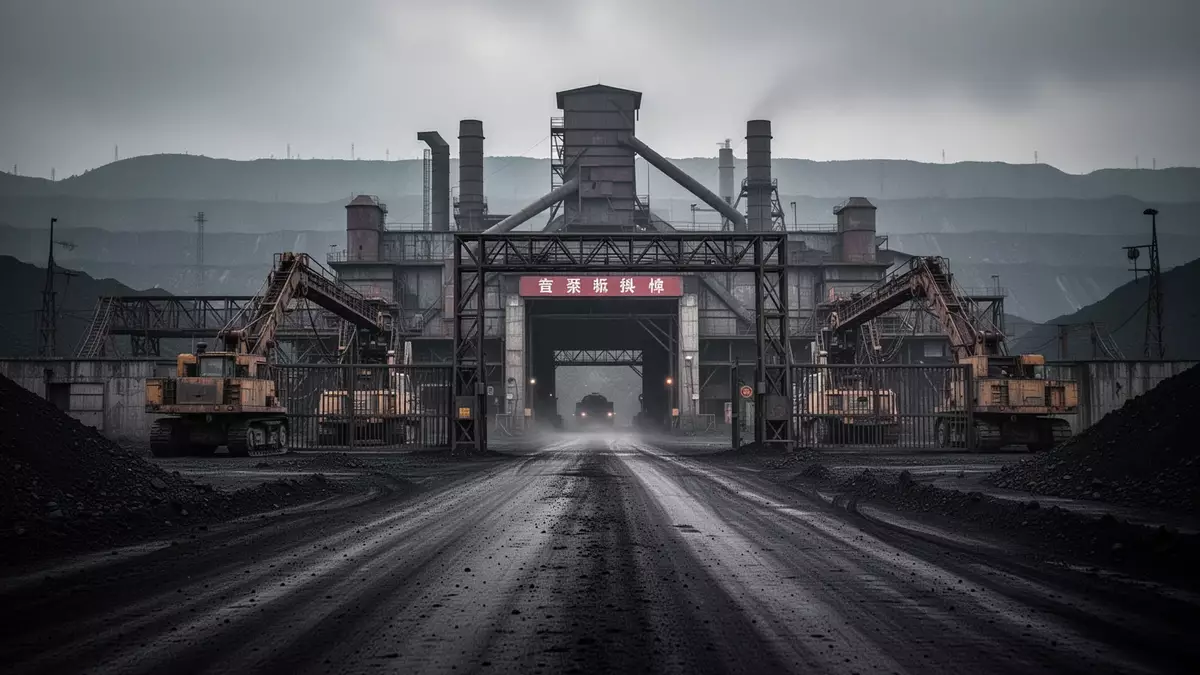
Chinese authorities have escalated their response to the gas explosion at the Liushenyu coal mine in Shanxi Province, deploying a State Council investigation team and placing a senior regional safety official under investigation. The disaster, which killed 82 workers and injured 128, has triggered a sweeping review of regulatory oversight and corporate safety management that carries significant implications for employers across China's mining sector.
National Probe and Regulatory Fallout
The Ministry of Emergency Management is leading the comprehensive investigation into the May 22 blast at the mine in Qinyuan County. The director of the National Mine Safety Administration's Shanxi bureau has already been placed under investigation for serious violations of law and discipline.
The State Council's investigation team has emphasised a rigorous approach, focusing on local government accountability, industry supervision, and corporate responsibility. The probe follows direct instructions from President Xi Jinping to conduct a thorough investigation and ensure accountability. The Supreme People's Procuratorate began supervising the case on May 25, coordinating with local authorities to establish the cause and identify those responsible.
What Happened at the Liushenyu Mine
At approximately 19:29 on May 22, a gas explosion ripped through the Liushenyu coal mine. Of the 247 workers underground at the time, 82 died, 128 were injured, and two remain missing. Mayor Chen Xiangyang confirmed the final death toll after initial reports had suggested as many as 90 fatalities.
The scale of the disaster was compounded by serious safety failures. Reports indicate that 103 workers were not equipped with mandatory tracking devices, and some survivors had to use their own self-rescue respirators to escape. Rescue efforts, involving 335 personnel and 420 medical staff, were severely hampered by toxic gas levels, collapsed terrain, and water accumulation in the mine's inclined shafts.
Systematic Deception and Safety Violations
Investigation teams have uncovered deliberate attempts by mine operators to deceive regulators. The mine provided false maps to rescue teams, concealing at least two hidden tunnels that were not included in official drawings.
Authorities also found that the mine's gas monitoring systems had been tampered with. Network lines were disconnected and sensors intentionally blocked, meaning monitoring data failed to register despite at least 24 carbon monoxide alarms preceding the explosion.
The Liushenyu mine, which has a production capacity of 1.2 million tonnes per year, had been classified as a "high-gas" facility by the National Mine Safety Administration in April 2024. Despite this designation and two fines for safety violations in 2025, the mine maintained a Grade II safety standardisation rating. Company records show it has been fined at least six times since 2017, with penalties totalling more than 515,000 yuan.
Industry-Wide Response
The mine is owned by the Tongzhou Group, which pledged all of its shares to Minsheng Bank in January 2026. A mine supervisor has been arrested as part of the criminal investigation.
In response to the disaster, authorities in Changzhi, Shanxi, announced a comprehensive "grid-style" inspection of all coal mines starting on May 23. These inspections are targeting gas extraction systems, ventilation, and the identification of hidden workfaces. The Ministry of Emergency Management also revised safety determination standards on May 28, which came into effect on July 1, to address gaps in current mining regulations.
Disclaimer regarding our articles: No investment advice, no buy or sell recommendation. Information on prices, companies, and markets is provided without guarantee; changes are possible at any time. Stock market transactions can lead to substantial losses. Our articles are created and reviewed in whole or in part automatically with the support of AI.