Siemens Energy Doubles Down on Data Centers and Grid Intelligence, Yet Shares Slide on Heightened Expectations
Veröffentlicht: 03.06.2026 um 07:31 Uhr, Redaktion boerse-global.de
Siemens Energy is making a concerted push to position itself at the heart of the AI-driven energy transition, unveiling a string of initiatives that range from a European roadshow and a major data-center marketing blitz to the acquisition of a digital grid-specialist. Yet the market’s reaction has been notably muted, underscoring a familiar challenge: after a ferocious rally, investors are demanding proof that the company can sustain its momentum.
The most tangible near-term move is the acquisition of the Camlin Group, a Northern Ireland-based provider of sensor technology, data analytics and predictive maintenance for electricity networks. The deal, announced on 2 June, brings in approximately 650 employees and around €104 million in annual revenue (over £90 million). Camlin’s technology allows grid operators to monitor equipment in real time, anticipate failures and integrate variable renewable generation more smoothly. The transaction is expected to close by the end of 2026, subject to regulatory approval. Financial terms were not disclosed.
The purchase plugs neatly into a broader strategic narrative built around surging demand from data centers – especially those powering artificial intelligence. Siemens Energy was the patron sponsor of this month’s Datacloud Global Congress in Cannes, and is simultaneously running a roadshow through Zurich, Munich and London. The messaging is clear: the company wants to be the go-to energy infrastructure supplier for hyperscalers such as Amazon Web Services, Microsoft and Google, as well as the new generation of AI specialists.
The numbers already back that story. In the second quarter, 25% of all gas-service orders were linked to data-center projects, and the group booked 5 gigawatts of orders from that segment alone out of a total of 12 GW. By 2030, data centers could account for 4% of global electricity consumption, creating a powerful tailwind for Siemens Energy’s gas turbines, transformers and grid components.
Should investors sell immediately? Or is it worth buying Siemens Energy?
The grid business is already firing on all cylinders. The Grid Technologies division posted a 41.5% surge in order intake in the second quarter to nearly €7 billion, while revenue climbed 12.3% to €3.067 billion. Management has raised its full-year guidance, now targeting 25-27% growth for the division with a margin between 18% and 20%. Moreover, the second half of the fiscal year is already 93% covered by existing orders, and the pipeline extends to 2027 with 80% visibility.
Despite these strong underlying trends, the share price has rolled over. On Tuesday the stock closed at €157.58, down about 2% on the day. Over the past seven days it has lost 9.77%, and over the past month 11.14%. The retreat from the 52-week high of €188 reached in April now stands at roughly 16%. Technically, the 50-day moving average at €167.78 has been broken to the downside, though the relative strength index at 62 remains in neutral territory.
The pullback reflects the simple arithmetic of elevated expectations. Year-to-date the stock is still up 28.32%, and over twelve months it has gained 77.45%. That kind of run leaves little room for fresh buying on incremental good news, as the market focuses on the one large outstanding overhang: Siemens Gamesa.
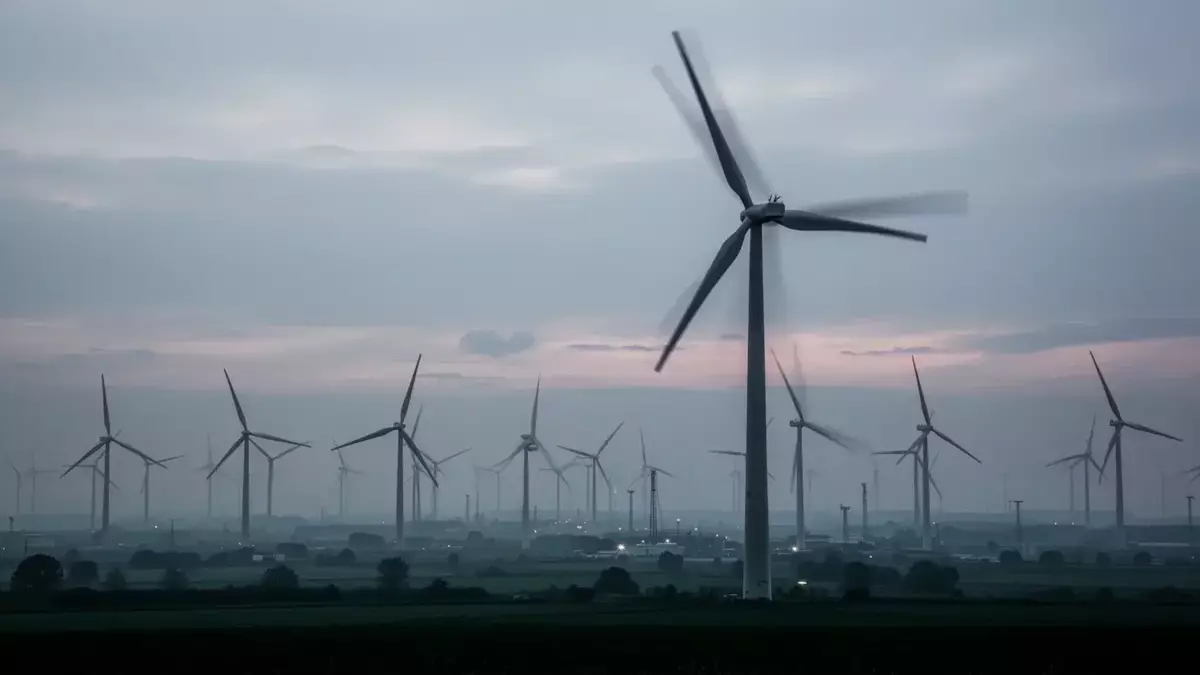
The wind-turbine subsidiary remains the company’s biggest operational challenge. Chief Executive Christian Bruch has confirmed that Gamesa will not reach breakeven in the third quarter, reiterating a target for the second half of 2026 – possibly the fourth quarter – when the division is expected to return to profitability. Until that milestone is achieved, the group’s valuation will be partly disciplined by Gamesa’s losses, even as the grid and data-center stories gain traction.
On a more positive note, Siemens Energy is returning substantial capital to shareholders. The first tranche of a buyback programme, worth €2 billion, has been completed, with 12.6 million shares repurchased at an average price of €158.50. A second tranche of €1 billion is underway, and the company plans total buybacks of €10 billion by 2028. An ordinary dividend of €0.70 per share was also approved at the annual general meeting.
Siemens Energy at a turning point? This analysis reveals what investors need to know now.
Longer-term support may also come from the broader decarbonisation push. A study led by the Max Planck Institute for Chemistry estimates that achieving EU climate neutrality by 2040 rather than 2050 could yield net benefits of between €100 billion and €600 billion – a shift that would massively accelerate demand for grid upgrades, stabilisation technology and digital control systems.
For now, however, the Camlin acquisition is more a strategic signal than a near-term catalyst. The stock’s next major test will come with the release of third-quarter results on 5 August. Until Gamesa starts to pull its weight, any further upside likely depends on the grid and data-center narratives continuing to deliver on the numbers.
Ad
Siemens Energy Stock: New Analysis - 3 June
Fresh Siemens Energy information released. What's the impact for investors? Our latest independent report examines recent figures and market trends.
Disclaimer zu unseren Artikeln: Keine Anlageberatung, keine Kauf oder Verkaufsempfehlung. Angaben zu Kursen, Unternehmen und Märkten ohne Gewähr; Änderungen jederzeit möglich. Börsengeschäfte können zu hohen Verlusten führen. Unsere Beiträge werden ganz oder teilweise automatisiert mit Unterstützung von AI erstellt und geprüft.