Siemens stock holds steady as investors weigh industrial strategy and global exposure
Veröffentlicht: 15.07.2026 um 21:08 Uhr, Redaktion AD HOC NEWS, Redaktionelle Verantwortung: Rafael Müller (Chefredaktion)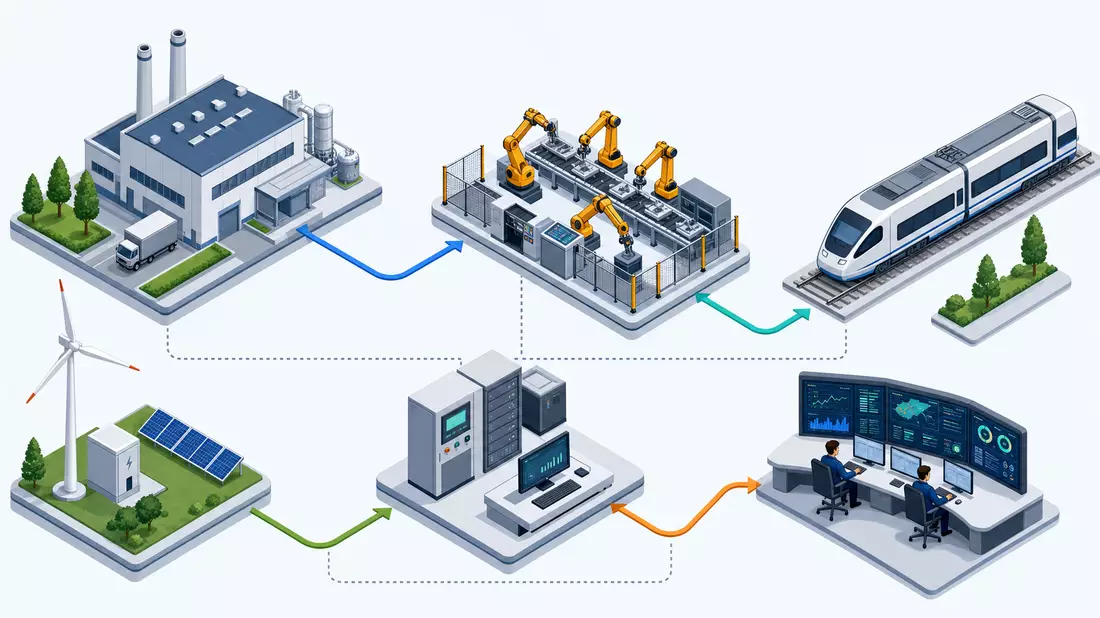
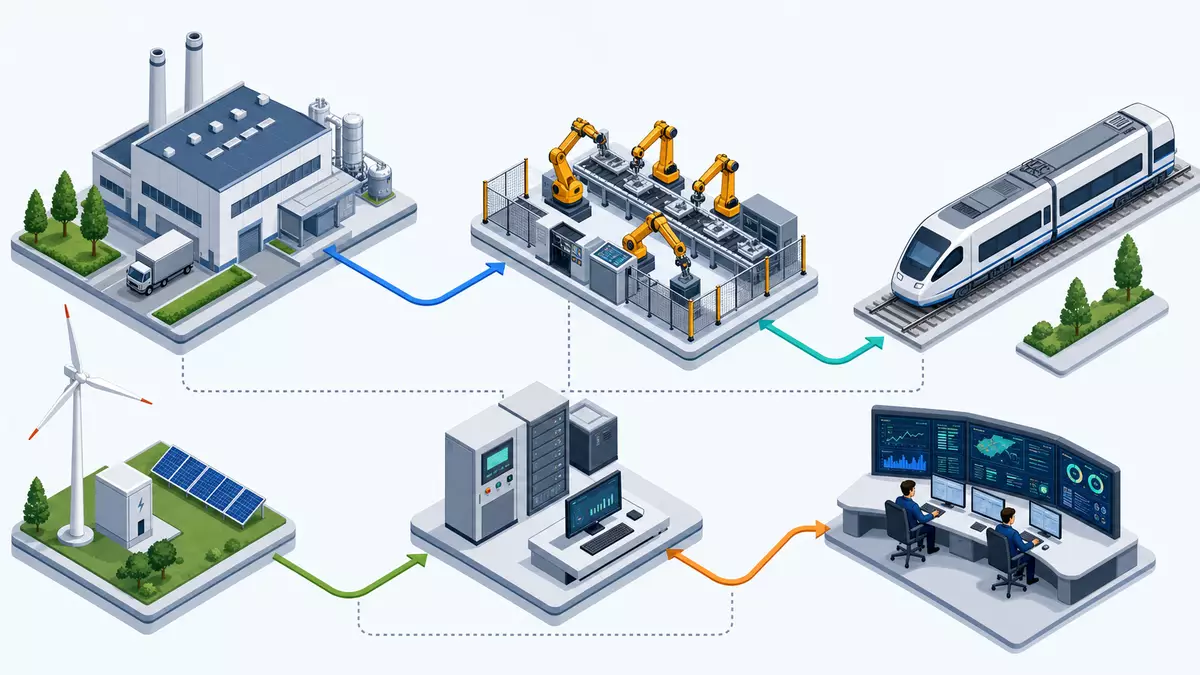
Siemens stock represents one of Europe's largest diversified industrial and technology groups, combining factory automation, power-grid equipment and digital services in a portfolio that is closely watched by global investors. The company (ISIN DE0007236101) has a long-standing listing in Germany and plays a key role as a supplier to manufacturing, infrastructure and energy projects across Europe, the United States and Asia. For many market participants, the attraction of Siemens lies in the mix of cyclical industrial exposure and structural demand for automation and electrification.
Industrial backbone with global reach
Siemens is widely recognized as a core industrial name, with business units that span automation hardware for factories, control systems for transport networks and equipment for power transmission and distribution. Its customer base cuts across automotive production, process industries such as chemicals and pharmaceuticals, and infrastructure operators that run rail networks or power grids. This breadth of end-markets can help smooth earnings over time, because weakness in one sector may be offset by strength in another.
From an investor perspective, Siemens offers exposure to long-term industrial trends such as factory automation and smart infrastructure. Companies across Europe and the US have been investing in modernizing production lines, making greater use of sensors, software and robotics. Siemens sells the programmable logic controllers, drives and other equipment that underpin these upgrades, while also providing software to design and optimize industrial processes. As a result, the group can benefit not only from the sale of physical hardware but also from recurring revenue streams tied to software and services.
Digitalization and automation focus
A major element of Siemens strategy in recent years has been the push toward digitalization of industry, often referred to as Industry 4.0 in Europe. This involves combining hardware with software platforms that can collect data from machines, analyze performance and support predictive maintenance. By linking production equipment to cloud-based systems, manufacturers can reduce downtime, improve energy efficiency and adjust output more rapidly to changing demand. Siemens has invested heavily in such digital offerings, positioning itself as a partner for companies seeking to modernize their factories.
For investors, the emphasis on software and digital services matters because these segments tend to carry higher margins than traditional hardware. Over time, shifting the mix toward recurring software revenue can make cash flows more stable and less dependent on one-off equipment orders. Analysts following Siemens often highlight this transition as a key driver of valuation, noting that industrial companies with strong digital portfolios can command premium multiples compared with peers that remain focused on conventional equipment sales.
More background on Siemens stock
Siemens combines traditional industrial equipment with software and digital services, making the stock a way to access both factory automation and infrastructure investment in Europe and beyond.
Business segments and earnings drivers
Siemens is organized into several major segments that reflect its diverse activities. One important area is factory automation, where the company supplies controllers, motors and related equipment that help manufacturers run production lines efficiently. Growth in this segment is often tied to capital expenditure cycles in the automotive, electronics and machinery industries. When these customers raise investment budgets, orders for automation hardware and related services can increase, supporting revenue and profit growth.
Another key area is smart infrastructure, which includes products and systems for energy distribution, building management and safety. With ongoing investment in energy efficiency, building automation and electrification, this part of Siemens business benefits from trends such as the modernization of power grids and the deployment of intelligent building control systems. These solutions help customers manage energy consumption, integrate renewable sources and improve reliability. For investors, the smart infrastructure segment adds an element of exposure to the long-term shift toward cleaner and more efficient energy use.
Siemens also has a strong presence in rail technology and mobility solutions, supplying signaling systems and equipment for trains and rail networks. Public transport authorities and private operators around the world rely on such systems to increase capacity, enhance safety and improve punctuality. While orders in this area can be lumpy and tied to large projects, they contribute to the company’s backlog and provide visibility on future revenues. In addition, the group is active in medical technology through a separately listed affiliate, giving the wider industrial portfolio some indirect exposure to healthcare equipment and diagnostics.
Margin profile and cost discipline
Profitability is a central topic for Siemens stock because the company operates in competitive global markets where pricing pressure can be intense. Management has focused on improving margins by streamlining operations, reducing complexity and shifting the portfolio toward higher-margin offerings such as software and services. Cost-saving programs, efficiency initiatives in manufacturing and selective restructuring of underperforming units have all been tools used to support operating income.
Analysts often compare Siemens margin profile with that of other large industrial groups and automation specialists. The company’s ability to maintain or expand margins while investing in growth is viewed as an important indicator of management effectiveness. When operating margins hold up even during periods of subdued industrial demand, it can increase investor confidence that the business model is resilient. Conversely, any sustained margin pressure tends to prompt questions about pricing, cost control and the balance between growth and profitability.
From a valuation perspective, margin trends feed directly into expectations for earnings per share. Investors looking at Siemens stock frequently assess whether the company can continue to deliver incremental margin improvement through mix shifts and efficiencies. The combination of digital revenue growth and disciplined cost management is seen as a pathway to support earnings, particularly in a world where end-market growth in mature economies may be moderate.
Balance sheet, cash flow and shareholder returns
Siemens maintains a substantial balance sheet that reflects both its industrial operations and its various portfolio holdings. Debt and liquidity levels are monitored closely by market participants, who pay attention to metrics such as net debt, leverage ratios and interest coverage. A solid financial position can provide flexibility for investments in new technologies or acquisitions, while also supporting dividend payments. For an industrial group with long project cycles and large orders, access to financing and a robust balance sheet help underpin customer confidence.
Cash flow generation is another lens through which Siemens stock is evaluated. Investors tend to favor companies that convert earnings into cash at a high rate, as this supports dividends, buybacks and reinvestment in growth initiatives. Working capital management, project execution and the timing of milestone payments on large contracts all influence free cash flow. When the company demonstrates consistent cash generation, it strengthens the investment case for long-term shareholders seeking a blend of income and growth.
Dividend policy is one of the ways Siemens returns capital to investors. Over the years, the company has positioned itself as a regular dividend payer, appealing to income-focused shareholders. The level and growth of the dividend are often assessed in the context of earnings trends, cash flow and capital allocation priorities. The balance between distributions and investment in future growth is a recurring theme in discussions of industrial stocks, and Siemens is no exception.
Global footprint and regional exposure
Siemens operations span Europe, the Americas, Asia and other regions, giving the company a truly global footprint. In Europe, it acts as a leading supplier to industrial firms, utilities and infrastructure projects, benefiting from the region’s emphasis on energy transition and digitalization. In the United States, Siemens participates in markets such as factory automation, power transmission and rail signaling, providing equipment and services to manufacturers and public agencies. This presence connects the group to one of the world’s largest industrial and infrastructure markets.
In Asia, Siemens has built partnerships and local operations that allow it to serve fast-growing economies investing heavily in manufacturing capacity, transportation networks and power infrastructure. Exposure to these regions gives the company access to higher-growth markets, though it also introduces currency and geopolitical considerations that investors must weigh. The geographic diversification can help reduce reliance on any single economy, but it makes the stock sensitive to global economic cycles and trade dynamics.
For investors, understanding Siemens regional revenue breakdown and order intake across continents is important. It helps gauge how macroeconomic trends, such as economic expansion or slowdowns in specific regions, might affect the company’s results. It also informs views on currency effects, as movements in exchange rates can influence reported revenues and profits for a company that reports in euros but operates worldwide.
Competitive landscape and peers
Siemens faces competition from a range of industrial and technology groups that offer overlapping products and services. In factory automation, multiple suppliers provide controllers, drives and industrial software, creating a market where differentiation often depends on performance, reliability and integration capabilities. In energy infrastructure, Siemens competes with other providers of grid equipment and power systems, each seeking to win contracts with utilities and project developers. The presence of strong competitors reinforces the importance of innovation, service quality and cost efficiency.
In mobility solutions, the company’s signaling systems and equipment are part of a broader ecosystem that includes rolling stock manufacturers and other technology providers. Winning contracts in this field often depends on demonstrating safety, reliability and compatibility with existing infrastructure. The complexity of large projects means that reputation and track record can be decisive. Investors following Siemens stock consider how the company’s competitive position in these areas may evolve, particularly as digital technologies and sustainability requirements reshape customer expectations.
Comparisons with peers can provide an interpretive lens on Siemens valuation and performance. When margins, growth rates or return on capital differ meaningfully from those of other industrial and automation players, investors look for explanations in strategy, portfolio mix or regional exposure. Being part of a global peer group gives the market more data points, but it also raises expectations that the company will keep pace with best-in-class operators.
Innovation, R&D and sustainability
Research and development are central to Siemens ability to maintain its competitive edge. Industrial customers expect continuous improvements in efficiency, reliability and digital capabilities, requiring ongoing innovation in both hardware and software. Siemens invests in developing new generations of automation equipment, grid technologies and digital platforms that can help customers reduce energy use, cut emissions and increase productivity. Such investments are long-term by nature, but successful products can support revenue over many years.
Sustainability has become a significant theme for industrial groups, and Siemens is closely involved in technologies that support energy transition and efficient resource use. Its portfolio includes solutions that help integrate renewable energy into power grids, optimize building energy consumption and improve the efficiency of manufacturing processes. This alignment with global efforts to reduce greenhouse-gas emissions can be attractive for investors who incorporate environmental considerations into their decisions.
From a strategic standpoint, connecting innovation and sustainability can enhance Siemens positioning. Customers that must meet regulatory targets or corporate sustainability goals are often willing to invest in advanced technologies that deliver measurable improvements. If Siemens can demonstrate that its products and systems contribute to such outcomes, it can strengthen customer relationships and potentially secure long-term service contracts along with initial equipment sales.
Governance, organization and portfolio shaping
Corporate governance and organizational structure are important aspects of Siemens investment case. As a large group with multiple divisions and regional operations, clear decision-making processes and accountability are needed to ensure that strategy is implemented effectively. Over time, Siemens has undertaken portfolio adjustments, spinning off or listing certain business units while focusing the core industrial group on areas where it sees the strongest strategic fit and growth potential.
These portfolio moves can change the risk and return profile of the company. For example, reducing exposure to more volatile or lower-margin segments may improve overall profitability and make results more predictable. Conversely, moving away from certain businesses can reduce diversification. Investors often watch such decisions closely, assessing whether portfolio shaping aligns with broader trends in industrial technology and demand.
Management’s approach to capital allocation, including investment in organic growth, acquisitions and shareholder returns, forms part of the governance story. Transparent communication about priorities and rationales helps the market understand how resources are being deployed. In the case of Siemens, a history of adaptation and restructuring reflects efforts to focus on segments where the company believes it can sustain competitive advantages.
Siemens Digital Industries as a representative product area
Within Siemens broad portfolio, a representative area for understanding its products is the digital industries business, which combines automation hardware with industrial software. This segment offers controllers, drives, industrial PCs and related equipment that connect machines and production lines. Alongside these physical components, Siemens provides software tools that help design manufacturing processes, simulate performance and manage operations in real time.
The combination of hardware and software in digital industries illustrates the company’s direction toward integrated solutions. Customers can use Siemens platforms to plan a new production line virtually, test different configurations and then deploy equipment configured to match the optimized design. Once installed, sensors and control systems collect data that feed back into software, supporting continuous improvement. For investors, this integration helps explain why the company emphasizes digitalization as a strategic priority.
Siemens stock and trading venue
Siemens shares are primarily listed on the German market, where the company has a long-established presence. The stock is widely held by institutional and retail investors who view it as a major European industrial name. Trading volumes reflect the company’s size and the breadth of its shareholder base, with liquidity that allows large orders to be executed without significant impact under normal market conditions.
As of the latest available trading information, Siemens stock continues to reflect expectations about industrial demand, investment in automation and the pace of energy transition projects. Market participants interpret price movements in the context of economic indicators, sector data and company-specific developments such as orders, guidance and strategic initiatives. For some investors, the key question is how consistently Siemens can translate its broad portfolio and global reach into growing earnings over the medium term.
Siemens stock at a glance
- Company: Siemens AG
- ISIN: DE0007236101
- Ticker: SIE
- Exchange: German listing (Xetra)
- Sector / Industry: Capital goods / industrials, automation and infrastructure technology
- Index membership: Major German and European equity indices
- Next earnings date: Not yet officially scheduled
Disclaimer zu unseren Artikeln: Keine Anlageberatung, keine Kauf oder Verkaufsempfehlung. Angaben zu Kursen, Unternehmen und Märkten ohne Gewähr; Änderungen jederzeit möglich. Börsengeschäfte können zu hohen Verlusten führen. Unsere Beiträge werden ganz oder teilweise automatisiert mit Unterstützung von AI erstellt und geprüft.