Silver's 20% Monthly Rout: Why a 46-Million Ounce Deficit Can't Compete with Three Rate Hikes
28.06.2026 - 11:11:42 | boerse-global.de
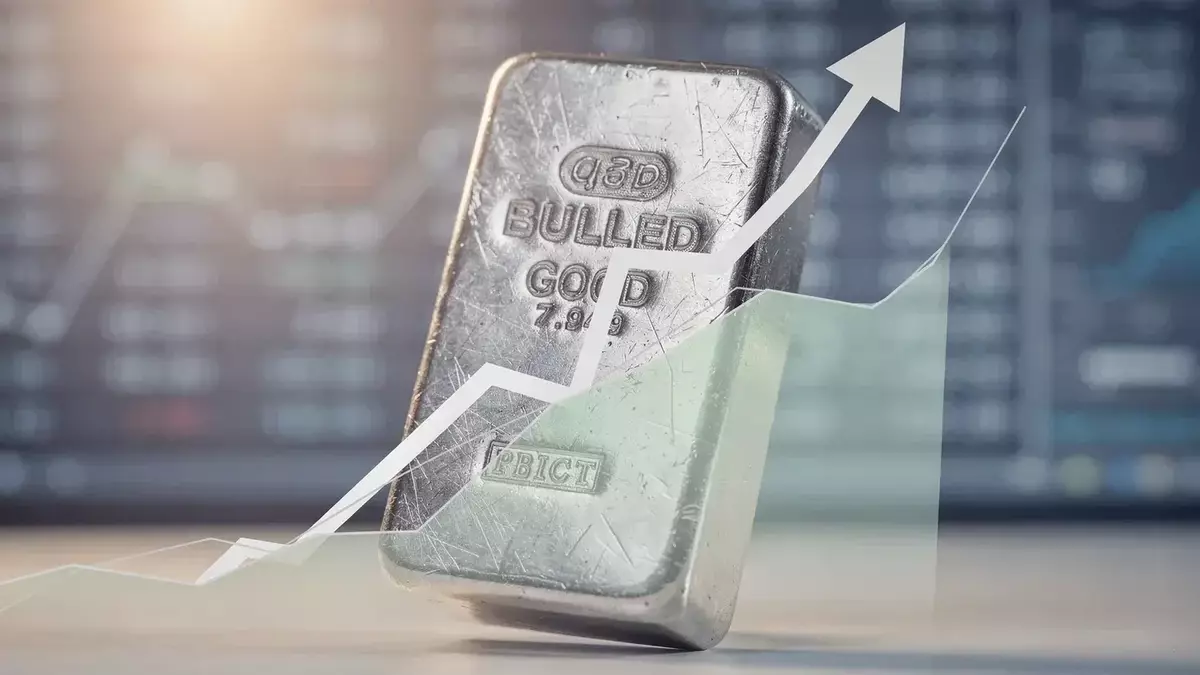
Silver clawed back some ground on Friday, settling at $59.69 — a 3.15% daily gain that does little to mask the broader carnage. The white metal has shed roughly 20% over the past month, and the culprit is not a shortage of the physical metal but a shortage of patience from the Federal Reserve. May's personal consumption expenditures price index clocked in at 4.1%, and while the monthly rise of 0.4% undershot the 0.5% economists had penciled in, it was not enough to change the central bank's hawkish calculus. Markets now price three interest-rate increases this year, with the CME FedWatch Tool assigning a 61% probability to a move in September — down from 70% a week earlier but still the base case. Deutsche Bank expects two: September and December.
The technical picture is equally grim. Silver is trading well below its 100-day and 200-day moving averages, confirming a broken uptrend. The relative strength index sits at 34.3, nominally oversold but not yet flashing a reversal signal. The gold-to-silver ratio closed the week at 69.3:1, near levels not seen since the Iran war spike, underscoring how decisively monetary tightening has trumped precious-metals fundamentals. Fed chair Kevin Warsh drove the point home in his first press conference, invoking "price stability" a dozen times — a verbal commitment that has crushed any hopes for early rate cuts.
Yet look under the hood, and the physical market tells an entirely different story. The Silver Institute projects a sixth consecutive annual supply deficit in 2026, with the shortfall widening to 46.3 million ounces — up 15% from last year's 40.3 million ounces. Nearly three-quarters of silver output is a byproduct of copper and zinc mining, meaning producers cannot ramp up supply even as prices rise. COMEX inventories have fallen from 531 million ounces in October 2025 to roughly 315 million ounces today, and cumulative withdrawals since 2021 total almost 762 million ounces.
Should investors sell immediately? Or is it worth buying Silber Preis?
Demand patterns are shifting, however. The solar industry — the single largest industrial consumer — cut its silver intake by 6% in 2025 to 186.6 million ounces, and Metals Focus analysts expect another 19% decline in 2026 to about 151 million ounces. Silver can account for up to 29% of a solar module's cost, and prices above $80 an ounce pushed manufacturers to seek alternatives. AI data centers and automotive electronics are picking up some slack but not enough to offset the solar downturn entirely. On the investment side, physical demand is forecast to jump 20% to 227 million ounces, as bargain hunters step in.
The warring supply-and-demand narratives have split the analyst community. J.P. Morgan Global Research sees the global industrial appetite pushing silver to an average of $81 in 2026. TD Securities counters with a far more bearish $44 target, arguing that an economic slowdown will choke off any rally before it can take hold. With the white metal down about 17% year to date, both camps have some evidence on their side.
The decisive variable remains the Fed. Until inflation retreats convincingly, higher real rates will continue to strengthen the dollar and raise the opportunity cost of holding a zero-yield asset. The next critical test lands on July 30, when the Bureau of Economic Analysis releases June PCE data — the first report to reflect oil prices after the Iran ceasefire. A deflationary print could rapidly unwind the September rate-hike expectations and give silver the monetary tailwind it desperately needs. Until then, the white metal is caught between a historic supply crunch and a central bank that shows no sign of letting up.
Ad
Silber Preis Stock: New Analysis - 28 June
Fresh Silber Preis information released. What's the impact for investors? Our latest independent report examines recent figures and market trends.