Silver’s Contradictory Forces: A Widening Supply Gap Meets Hawkish Fed, Shifting Geopolitical Winds
22.06.2026 - 16:07:20 | boerse-global.de
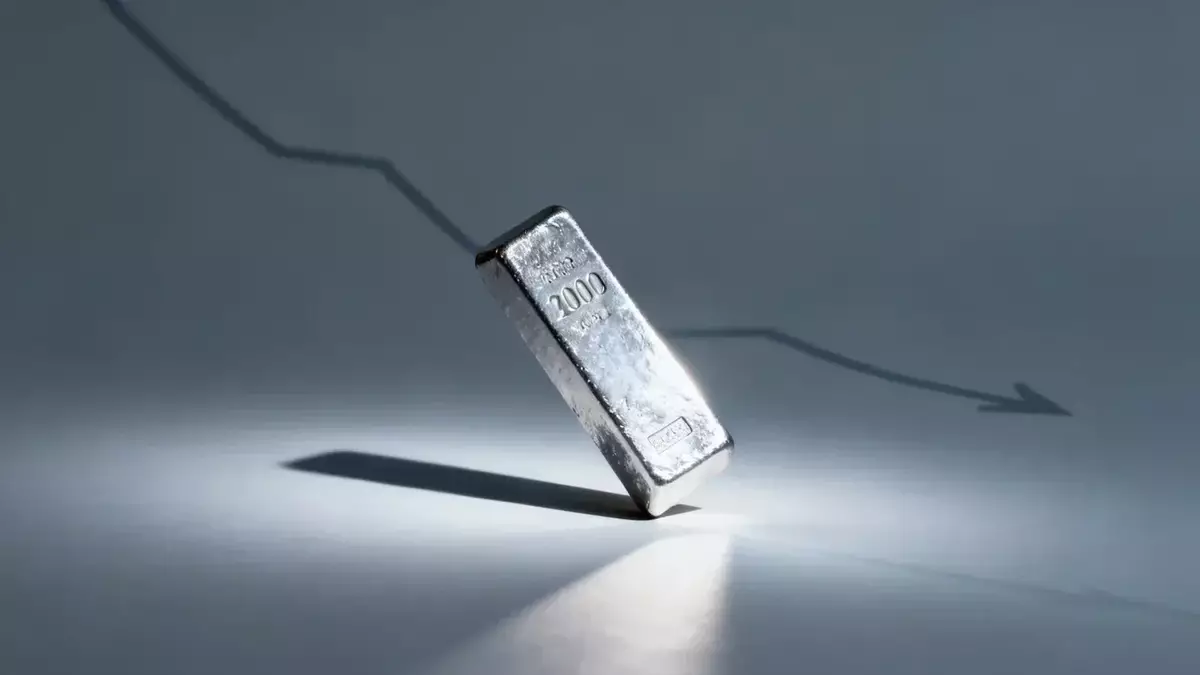
The white metal is caught in a tug-of-war between two powerful, opposing dynamics. On one side, the market is staring at its sixth consecutive year of supply deficit, with the global shortfall set to reach 46.3 million ounces in 2026 as mine output shrinks faster than industrial demand can adjust. On the other, the Federal Reserve under new Chair Kevin Warsh has taken a decidedly hawkish turn, while a fragile geopolitical backdrop in the Middle East offers no clear direction. The result has been a brutal price swing that left silver oscillating between $64 and $66 per ounce in a single session.
The physical scarcity narrative remains intact, but it is increasingly nuanced. Solar module manufacturers—a major source of industrial silver offtake—cut their consumption by roughly 19% this year to about 151 million ounces, as Chinese producers shift toward copper and silver-free designs. That retreat, however, is being partly offset by rising demand from other sectors: AI data centers, electric-vehicle electronics, and automotive applications are all taking more metal than expected at the start of the year. India’s physical investment demand surged 33% in 2025, further cushioning the blow. Yet the net effect is a market where supply—largely a byproduct of base-metal mining—simply cannot keep pace, regardless of price.
What has halted silver’s advance is the monetary side of the equation. The Fed left its benchmark rate unchanged at the June meeting, but the accompanying statement was stripped of any dovish language. Nine of the 19 FOMC participants now pencil in at least one rate increase before year-end, and markets assign a roughly 70% probability of a hike by September. Some committee members have even floated tightening measures for late 2026. With inflation stuck at a stubborn 4.2%, the central bank’s new tone has lifted the dollar and bond yields, punishing zero-yielding assets like precious metals.
Should investors sell immediately? Or is it worth buying Silber Preis?
Geopolitical crosscurrents have added to the confusion. Early Monday, reports of a possible US-Iran peace deal sent silver climbing to nearly $66 in Asian trade, as traders bet that easing tensions would lower oil prices and calm inflation expectations. But President Donald Trump quickly undercut that optimism with threats of direct strikes on Iran—even as Vice President JD Vance was reportedly engaged in parallel negotiations. The metal reversed course and slid back toward $64. A prior interim agreement had improved shipping conditions through the Strait of Hormuz, but the latest round of talks collapsed, with Switzerland confirming that scheduled US-Iran discussions did not take place. Traders now expect energy flows to take months to return to pre-conflict levels.
The gold-silver ratio has widened sharply as a gauge of silver’s relative weakness. It stood at 55:1 in May but jumped to roughly 64:1 after the hawkish FOMC meeting on June 16–17. The irony is that the Iran conflict itself is partly responsible: by keeping inflation expectations elevated, it reinforces the very rate-hike narrative that weighs on silver. Since the start of the Iran standoff, the metal has lost more than 40% of its value.
On a monthly basis, silver is down about 14%, though it remains in positive territory year-to-date. The range of institutional forecasts underscores just how divided the outlook is. TD Securities sees the metal falling to $44 per ounce, while a bullish LBMA participant projects above $165. J.P. Morgan expects a full-year average of $81, and a Reuters survey puts the consensus near $79.50.
A potential catalyst for a shift lies in the next geopolitical or monetary data point. Should the Iran situation de-escalate meaningfully—pushing energy prices lower—the rate-hike rationale would weaken considerably. In that scenario, silver’s structural supply deficit and broadening industrial demand could quickly reclaim center stage. Until then, the market awaits the release of the US PCE inflation data later this week, the Fed’s preferred price gauge, for the next clear signal.
Ad
Silber Preis Stock: New Analysis - 22 June
Fresh Silber Preis information released. What's the impact for investors? Our latest independent report examines recent figures and market trends.