Silver’s Double Bind: Oil Shock and De-Silverization Collide to Cap Prices
Published on 05/28/2026 at 12:24 | Redaktion boerse-global.de
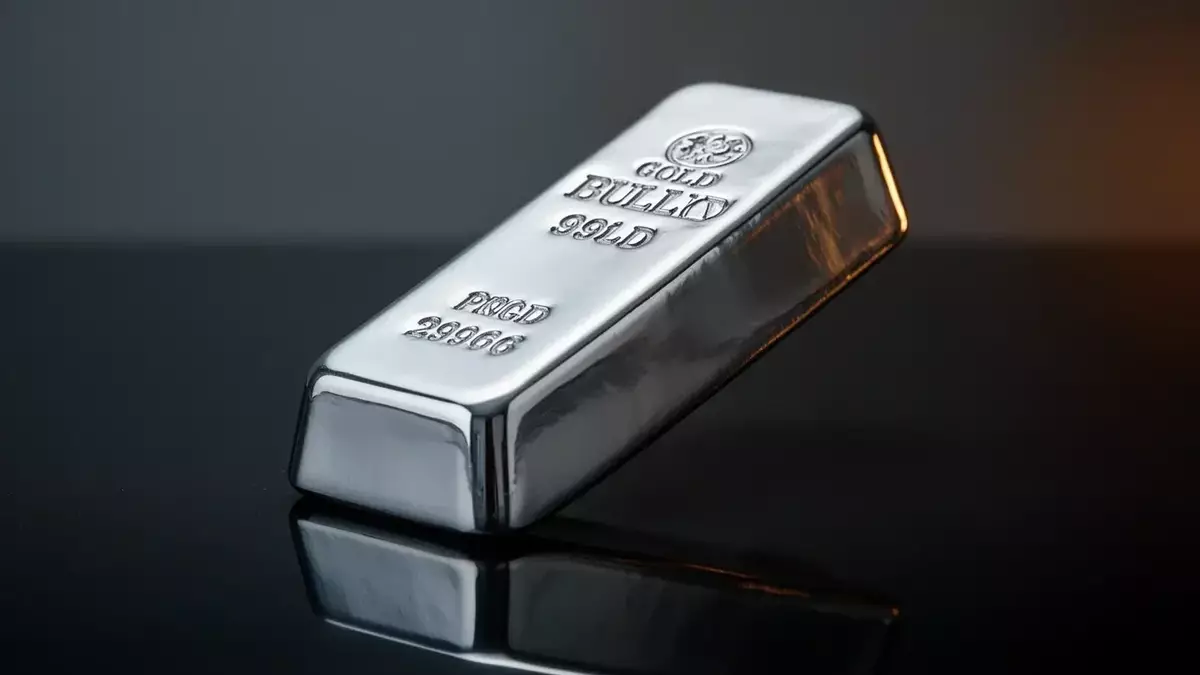
Silver investors are confronting an uncomfortable paradox this week: a geopolitical firestorm in the Middle East has failed to ignite a safe-haven rally for the white metal. Instead, the price tumbled 1.7% on Thursday to $73.34 per troy ounce, as rising oil prices and the resulting inflationary fears overwhelmed any flight-to-quality bids.
New US military strikes on Iranian installations near the Strait of Hormuz provided the trigger. According to Washington, the target was a facility threatening shipping in the strategic waterway. Crude prices responded by leaping roughly 2% in early trade, injecting a fresh dose of inflation into the global outlook. For precious metals, that is toxic: higher oil reinforces expectations that the Federal Reserve will keep its foot on the tightening brake, undermining the very appeal of non-yielding assets.
The dollar, meanwhile, climbed to a near-week high. The DXY index hit 99.288 — its strongest level since 22 May — making silver more expensive for buyers outside the dollar bloc. Fed Governor Lisa Cook underscored the mood on Thursday, signalling that the central bank should hold rates steady for now but leaving the door open to increases, citing tariffs, the Iran conflict and an AI-driven investment boom. Vice Chair Philip Jefferson echoed that the current policy stance remains appropriate as long as inflation risks persist. Traders now await the release of the PCE deflator, the Fed’s preferred inflation gauge, for fresh clues on the rate path.
Yet the price pain on Thursday was not silver-specific. Gold slipped 0.8%, platinum fell 0.5% and palladium dropped 0.7%, confirming a broad-based downturn across the precious metals complex. The mechanism at work is straightforward: when geopolitical jitters are channelled through oil and inflation, they suppress rather than support safe havens.
Should investors sell immediately? Or is it worth buying Silber Preis?
Beyond the daily noise, a more fundamental shift is shaking the silver market. Bank of America analysts have flagged a “de-silverization” trend in industry, particularly in the solar sector — a major consumer of the metal. Sky-high prices are pushing manufacturers to seek cheaper alternatives, with copper emerging as the leading substitute. If that substitution continues and investor demand remains subdued, the expected sixth consecutive annual supply deficit in 2026 could shrink by as much as 90%, the bank warns. The risk of a surplus is rising. Should the trend persist, silver would trade increasingly as a pure monetary metal, its price governed more by capital flows and sentiment than by industrial fundamentals.
Countering that bearish narrative is a surge from China. The country’s silver imports in early 2026 reached an eight-year high, propelled by solar makers front-running their production and by retail investors hoarding bars as a cheaper alternative to gold. New export regulations from Beijing add another layer of complexity to global liquidity flows.
For now, the mood among institutional players remains cautious. Holdings of physically backed silver ETFs continue to decline, and speculators show little appetite for fresh long positions. That leaves the market highly sensitive to any shift in the macro winds.
Silber Preis at a turning point? This analysis reveals what investors need to know now.
The short-term outlook hinges on the dollar and interest-rate expectations, but the structural question is the more consequential one: can industrial demand still sustain the supply deficit, or is de-silverization here to stay? Until the answer becomes clearer, silver will remain vulnerable to every new energy-price shock — and to the hawkish Fed policy that comes with it.
Ad
Silber Preis Stock: New Analysis - 28 May
Fresh Silber Preis information released. What's the impact for investors? Our latest independent report examines recent figures and market trends.
Disclaimer regarding our articles: No investment advice, no buy or sell recommendation. Information on prices, companies, and markets is provided without guarantee; changes are possible at any time. Stock market transactions can lead to substantial losses. Our articles are created and reviewed in whole or in part automatically with the support of AI.