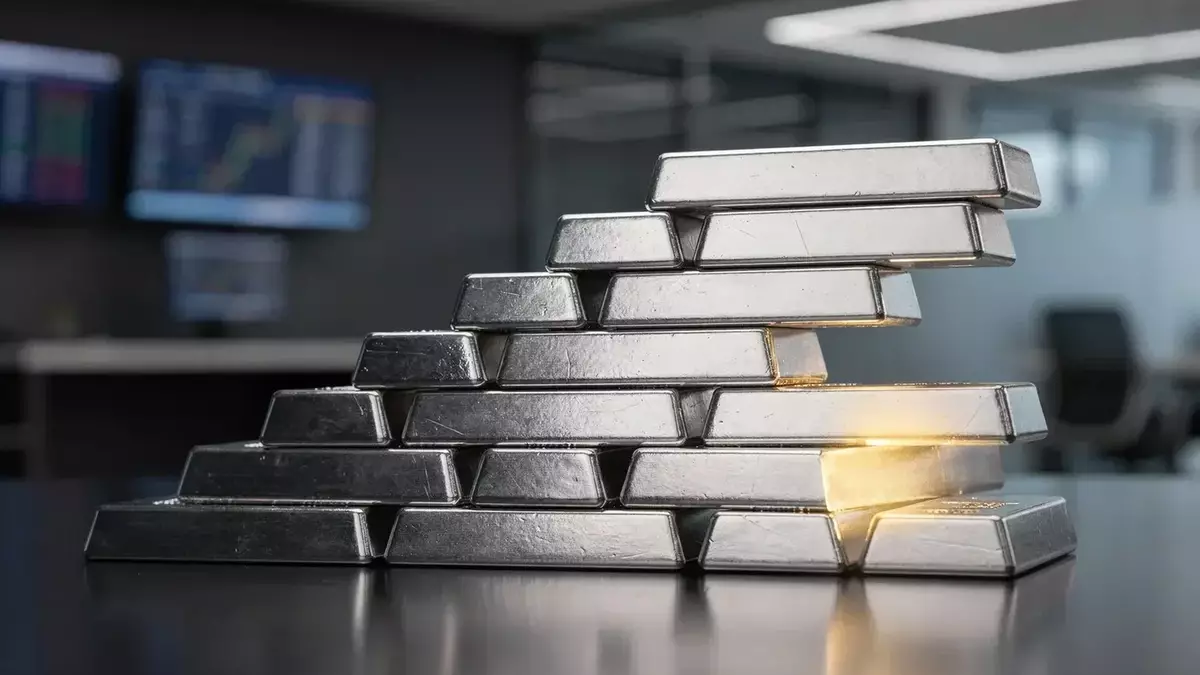
Silver's Rally Stalls: Why a 46M-Ounce Deficit Is No Match for a Solar Slowdown and a Hawkish Fed
26.06.2026 - 12:52:28 | boerse-global.de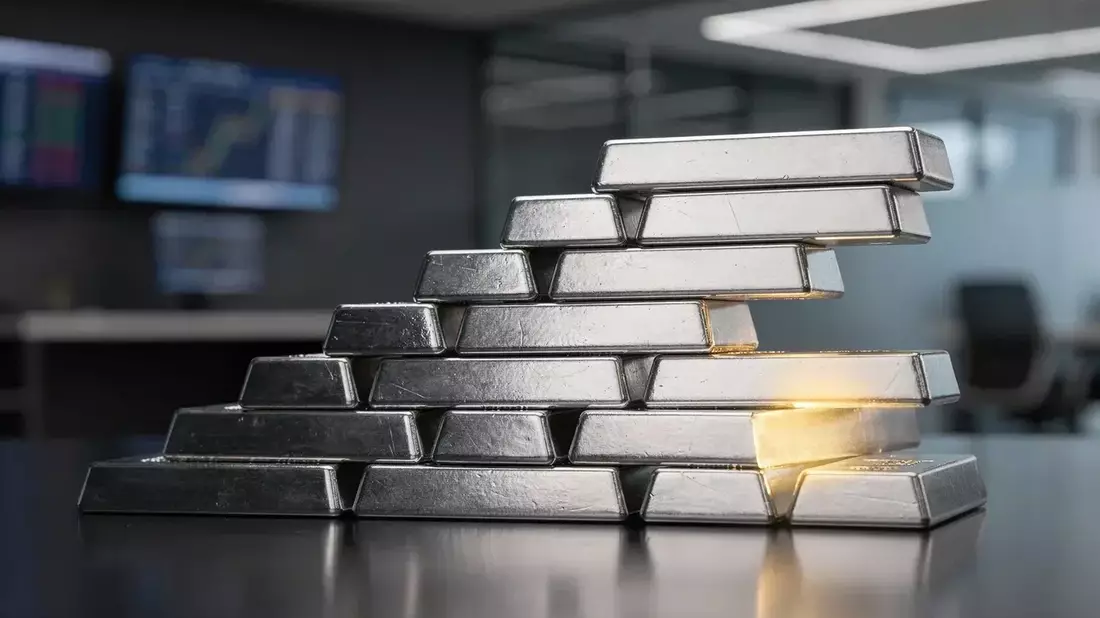
After one of the most volatile trading weeks of the year, silver managed to claw back to $58.19 a troy ounce on Friday. The modest rebound, however, masks a market caught between an unrelenting supply deficit and a barrage of macro-driven selling. The metal has now lost roughly 13% since January and sits almost 47% below the record high touched at the start of the year.
The immediate pressure comes from the dollar. The greenback has surged to a one-year high, boosted by a Federal Reserve under new Chair Kevin Warsh that has made price stability its overriding goal. Bank of America strategists expect three rate hikes totaling 75 basis points, which would lift the fed funds rate to 4.50%. Markets now price in a 68% probability of a September increase, up from just 29% a week ago. For a non-yielding asset like silver, rising bond yields and a stronger dollar are a toxic combination — capital flows out of the metal and foreign buyers face steeper costs.
That macro headwind has been compounded by a sudden easing of geopolitical tensions. In mid-June, the US and Iran reached a preliminary peace agreement, calming the Strait of Hormuz and restoring shipping traffic to near pre-crisis levels. The détente has erased much of the risk premium that had supported silver during the first half of 2025, prompting speculators to unwind hedges rapidly.
Friday’s bounce came ahead of the release of the PCE inflation index, due Thursday. The headline CPI for May stood at 4.2%, driven primarily by an energy shock stemming from the Iran conflict, while core inflation remained at 2.9%. If the PCE confirms that picture, the Fed may view the inflation as oil-induced and therefore less responsive to rate hikes — a potential reprieve for precious metals.
Should investors sell immediately? Or is it worth buying Silber Preis?
Yet even a dovish PCE reading would only temporarily mask the structural weakness in industrial demand. The solar power sector, which has been a major growth driver for silver, ordered 19% less material last quarter. Jewelry and silverware orders have also slumped sharply. This erosion in industrial appetite is weighing on the market despite a massive supply shortfall. The Silver Institute projects a 46 million ounce deficit in 2026 — the sixth consecutive annual shortfall. Global inventories have shrunk by over 760 million ounces since 2021, but mining output remains constrained because silver is largely a byproduct of base-metal operations.
The disconnect between physical scarcity and price action is most visible in the gold-silver ratio, which has rebounded to 64 from a May low of 55. While silver is relatively cheap compared to gold, the ratio still sits below the long-term average of 70, suggesting further downside potential.
Technical indicators echo that caution. The Relative Strength Index has plunged to 27.5, signaling an oversold condition, but the downtrend remains firmly intact. On Friday, the spot price briefly dipped below $55.60, and traders are now watching the support level at $54.56. A break below that could trigger fresh losses, while the next resistance zone sits around $58.
Silber Preis at a turning point? This analysis reveals what investors need to know now.
The equity market has added to the pressure. A sharp selloff in US technology shares forced many investors to liquidate precious metals positions to cover margin calls in other portfolio areas. That spillover effect compounded the selling triggered by dollar strength and rate-hike bets.
For now, silver is left waiting on the PCE data. If the index shows cooling inflation, the selling pressure may ease. But with the Fed’s hawkish stance, a fading geopolitical risk premium, and a notable industrial slowdown, the 46-million-ounce deficit looks like a lifeline that has yet to reach the market.
Ad
Silber Preis Stock: New Analysis - 26 June
Fresh Silber Preis information released. What's the impact for investors? Our latest independent report examines recent figures and market trends.