SK Hynix's Two-Market Saga: Seoul Sell-Off Meets Nasdaq Bounce as Rate Hike and ETF Ban Jolt Investors
Published on 07/19/2026 at 08:23 | Redaktion boerse-global.de
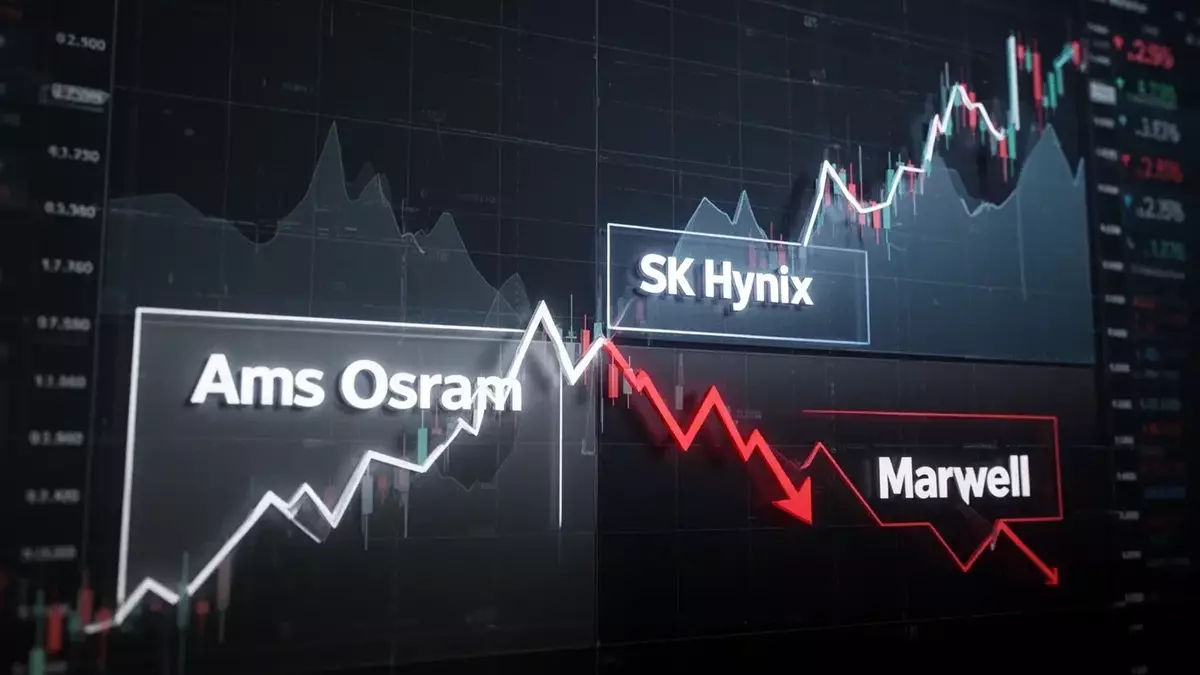
SK Hynix is living two separate lives. In Seoul, its home-traded shares were routed on Friday, shedding 11.53% in a single session to close at 1,842,000 won — a weekly loss of 15.5% and a 27% plunge over the past 30 days. The stock now sits 38.33% below the all-time high set in late June.
Across the Pacific, the narrative flipped. The company's American depositary receipts on the Nasdaq jumped 8% to $164, bouncing sharply from the year's low of $146. The rally was a solo act: the broader SOXX semiconductor ETF barely budged. Traders pointed to short covering and gamma-related buying tied to the first monthly options expiration since the ADR listing as the primary mechanics behind the move, not any fresh fundamental catalyst.
The divergence underscores the complex forces now shaping SK Hynix's trajectory — a stock that has delivered a jaw-dropping 183.52% gain year-to-date yet finds itself in the grip of a vicious correction.
A Rate Shock Hits Seoul
The Seoul sell-off traces directly to the Bank of Korea's decision on July 16 to lift its benchmark rate by 25 basis points to 2.75%, the first hike since January 2023. Governor Shin Hyun-song explicitly signaled further tightening ahead, and markets are now pricing a terminal rate of 3.25% to 3.50%, implying three to four additional moves. The tightening cycle threatens to cool domestic investment in a capital-intensive industry where SK Hynix is already building a $3.87 billion packaging plant in Indiana and eyeing more overseas wafer fabs.
Should investors sell immediately? Or is it worth buying SK Hynix?
Compounding the macro headwind, South Korean regulators reversed course on a recent innovation. In May they had approved leveraged single-stock ETFs on Samsung Electronics and SK Hynix. Now they are banning new products of this kind and raising minimum deposit requirements for existing ones. That move effectively cuts off a key source of speculative demand that had helped fuel the premium on the US-listed ADRs.
The IPO Hangover
The volatility is playing out just weeks after SK Hynix pulled off one of the largest initial public offerings in history. On July 10, it listed American depositary receipts on the Nasdaq, raising roughly $26.5 billion — with demand topping supply seven times over. The euphoria was short-lived. The stock's peak-to-trough slide of nearly 40% in less than a month has reignited a debate about whether the ADR was merely a flash in the pan or the market is simply digesting an overheated valuation.
HSBC remains firmly in the bullish camp, designating SK Hynix a top pick across the entire semiconductor sector. The bank's conviction rests on the company's dominant 60% market share in high-bandwidth memory (HBM), the specialized DRAM used in AI processors. Reports suggest SK Hynix has secured 50% to 70% of Nvidia's HBM4 orders, making it the primary beneficiary of the forthcoming Vera Rubin GPU architecture. HBM capacity through 2026 is already fully booked, and DRAM contract prices are expected to rise 15% to 18% in the third quarter.
Yet valuation, on its face, looks cheap. The stock trades at just 7 times forward 12-month earnings — a steep discount to US peer Micron. Some analysts see up to 30% upside if the Nasdaq listing helps close that valuation gap between Seoul and the US. The newly raised capital also provides ammunition for expansion, including the Indiana facility and potential wafer fabs abroad.
Bear Case: Bubble Fears and Cyclical History
Skeptics point to structural risks that go beyond a simple correction. A Bank of America survey shows 45% of global fund managers now identify an AI bubble as the biggest tail risk, with semiconductors the most crowded trade. The PHLX Semiconductor Index has already fallen 20.34% from its 2024 high, and a prolonged slide there would inevitably drag on SK Hynix.
Memory cycles have a nasty habit of peaking just as massive capacity additions come online. Micron and Samsung are both charging toward the trillion-dollar market-cap club and scaling their own HBM4 production, raising the specter of oversupply by 2027. The Korean rate hikes also raise the cost of capital for an industry that never stops building.
Technicals and the Calendar
With a 14-day RSI of 40.5, SK Hynix's Seoul shares are technically oversold, but confirmed reversal signals are absent. The annualized 30-day volatility has exploded to over 127%, a reading that underscores the extreme nervousness surrounding the stock.
SK Hynix at a turning point? This analysis reveals what investors need to know now.
Richard Tang, head of Hong Kong research at Julius Baer, expects the turbulence to persist. "We anticipate heightened volatility until end-July as foreign investors reposition," he said, noting that early outflows stemmed from concentration limits, while recent moves reflect a mix of rotation into ADRs and profit-taking on surging memory stocks.
The next major catalyst arrives on July 23, when Alphabet reports quarterly earnings. The hyperscaler's capex guidance will be the single most important signal for HBM demand: if Alphabet holds or raises its investment targets, that would buttress the demand thesis for SK Hynix's HBM products. A cautious tone on AI returns, however, could accelerate the sell-off. South Korea also releases second-quarter GDP that same day, a vital read on the economy's health amid rising rates.
SK Hynix itself reports on July 29. Investors will be laser-focused on confirmation of the Nvidia order share and updates on utilization rates at its new expansion projects. Those numbers could either validate the current pullback as an entry point or reinforce the macro and competitive pressures that may drag the stock lower still.
Ad
SK Hynix Stock: New Analysis - 19 July
Fresh SK Hynix information released. What's the impact for investors? Our latest independent report examines recent figures and market trends.
Disclaimer regarding our articles: No investment advice, no buy or sell recommendation. Information on prices, companies, and markets is provided without guarantee; changes are possible at any time. Stock market transactions can lead to substantial losses. Our articles are created and reviewed in whole or in part automatically with the support of AI.