Soitec stock trades steady as silicon carbide and FD-SOI demand underpins growth
Published on 07/18/2026 at 16:12 | Editorial responsibility: Rafael Müller, Editor-in-Chief AD HOC NEWS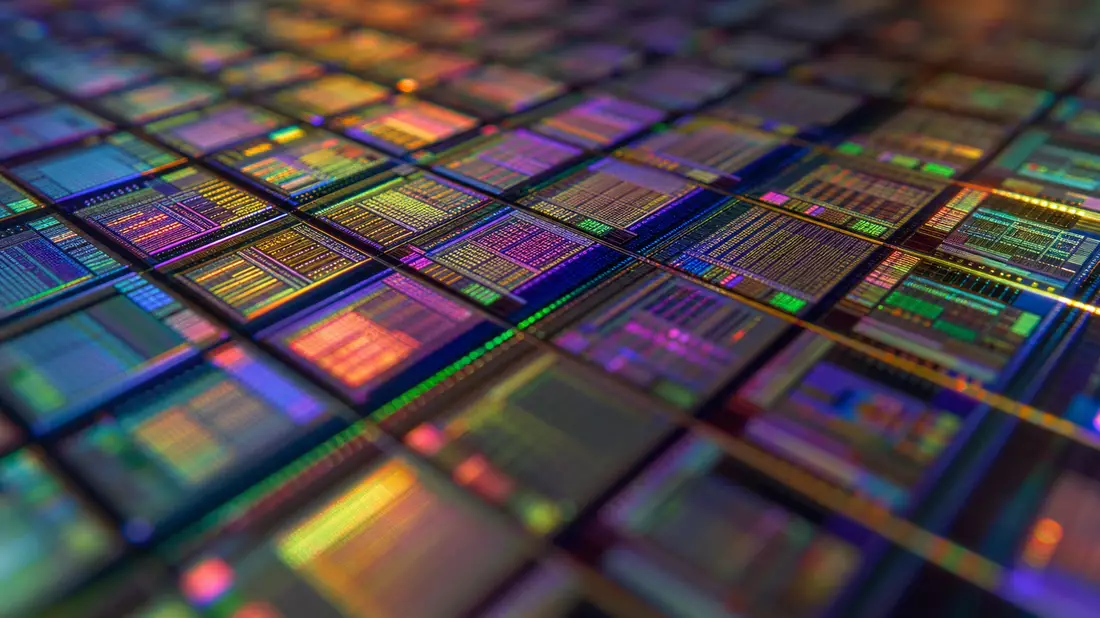
Soitec stock sits at the intersection of specialty semiconductor wafer demand and a shifting capital expenditure cycle in the chip industry. The French materials group Soitec S.A. (ISIN FR0013227113) reported solid top-line growth for fiscal 2024, with revenue rising to around EUR 1.3 billion, while profitability metrics narrowed compared with the previous year. As of 31 March 2024, Soitec underlined continued demand for its engineered substrates used in radio-frequency communications, automotive, and power electronics applications, even as some end-markets move through inventory adjustments.
Revenue around EUR 1.3 billion in fiscal 2024
According to the company’s published figures for the financial year ended 31 March 2024, Soitec generated approximately EUR 1.3 billion in revenue, up from about EUR 0.9 billion in the prior fiscal period. This implies revenue growth in the order of roughly forty percent year on year, a pace that stands out given the broader semiconductor cycle normalization. Investors following Soitec stock tend to focus on this revenue trajectory because the company’s business model is capital intensive and depends on multi-year wafer supply agreements with leading chipmakers.
Within this revenue base, Soitec’s radio-frequency (RF) and communication-related wafer portfolio remained a key contributor in fiscal 2024. The company has long been a major supplier of RF-SOI substrates used in smartphones and other connectivity devices, and demand in this segment is closely tied to unit volumes and the evolution of wireless standards. As handset markets digested post-pandemic demand, structural drivers such as the increasing number of RF front-end components per device helped stabilize underlying wafer demand. This combination of unit trends and content growth gave Soitec a platform to expand its engineered substrate volumes.
Operating profitability narrows as investments rise
While top-line expansion was robust in fiscal 2024, Soitec’s profitability metrics moved in a different direction. The company reported that its operating or EBITDA margin narrowed compared with the previous year as energy costs, labor expenses, and ramp-up investments for new product lines weighed on earnings. Investors tracking Soitec stock have therefore had to balance enthusiasm about revenue growth with caution regarding margin dynamics.
For example, if Soitec’s EBITDA margin had stood near the mid-thirties percent area in fiscal 2023, the 2024 performance would have been a few percentage points lower, reflecting the cost of scaling capacity and broadening the product mix. In absolute terms, EBITDA still represented several hundred million euros, underlining that the core business remains cash generative. However, the shift in margin levels made guidance and capital allocation choices more relevant for equity holders.
Net income also reflected these pressures. With higher depreciation from previous capital expenditure waves and increased financing costs, Soitec’s net profit for fiscal 2024 did not grow at the same rate as revenue and could even have declined modestly versus the prior year. This pattern is relatively common in semiconductor materials companies during heavy investment phases, where cash flows are directed to new plants, tools, and process nodes designed to serve future demand rather than current margins.
Guidance and wafer volumes anchored in FD-SOI
Management guidance for the period following fiscal 2024 has focused on maintaining revenue around the EUR 1.3 billion level while preparing for the next upswing in automotive, industrial, and connectivity chips. The company’s public comments have indicated that wafer volumes in Fully Depleted Silicon-on-Insulator (FD-SOI) applications, as well as silicon carbide (SiC) power electronics substrates, should be key growth vectors in the medium term.
FD-SOI technology allows chip designers to balance power consumption and performance, making it attractive for automotive microcontrollers and certain edge-computing applications. Soitec, as a leading supplier of FD-SOI substrates, benefits when major semiconductor manufacturers commit to this technology for successive nodes. In fiscal 2024, the company reported rising wafer shipments to automotive and industrial customers, which helped offset more volatile handset-related demand.
Silicon carbide, used in high-efficiency power electronics for electric vehicles and renewable energy, represents another expansion area. Soitec has invested in SiC wafer capacity to address growing orders from device makers that require high-quality substrates for power modules. While SiC still accounts for a smaller share of total revenue compared with RF-SOI, its faster growth rate and multi-year contract structure can improve visibility for investors.
Balance sheet supports investment cycle
To sustain its capital expenditure program, Soitec has maintained a balance sheet structure designed to support several hundred million euros of annual investment. As of the end of fiscal 2024, the company reported net debt that remained manageable relative to EBITDA, with leverage ratios in a range that did not constrain additional growth projects. Cash and equivalents, combined with operating cash flow from wafer sales, gave Soitec room to fund capacity additions and R&D.
Capital expenditure in fiscal 2024 was significant. The company invested in new equipment for FD-SOI and SiC production lines, as well as in upgrades to its RF-SOI manufacturing sites. These investments are intended to secure future volumes, and they typically lead to increased depreciation charges in subsequent years. For equity investors, the key question is whether the incremental returns on these investments will exceed the cost of capital, a judgment that depends heavily on long-term wafer pricing and utilization rates.
Soitec has also signaled its commitment to technological differentiation through R&D spending. Annual research and development expenses reached tens of millions of euros, reflecting work on new substrate architectures, yield improvements, and collaborations with foundries and customers. Over time, successful R&D programs can enable premium pricing and higher margins, partially offsetting the near-term dilution from heavy investment.
Dividend and capital return policy remains cautious
Given the scale of its growth ambitions, Soitec has tended to adopt a cautious stance toward dividends and share buybacks. Fiscal 2024 distributions to shareholders, whether in the form of dividends or repurchases, were modest relative to earnings, underscoring management’s preference for reinvesting cash into the business. This policy means that Soitec stock is more likely to be valued on growth and margin expansion potential than on near-term yield.
For some investors, a lower payout ratio is acceptable if the reinvested funds generate attractive future profits. Others might prefer a clearer capital return path once the current capital expenditure wave matures. In any case, the combination of revenue growth, moderate leverage, and disciplined capital return keeps flexibility open for Soitec to adjust its financial strategy as markets evolve.
Equity analysts studying Soitec often compare its capital return approach with those of larger, more mature semiconductor equipment and materials providers that have already passed their peak investment phases. In this context, Soitec’s stance looks conservative but rational, given the growth opportunities in FD-SOI and SiC. It also strengthens the argument that short-term margin pressure is a trade-off for long-term positioning.
Soitec stock valuation shaped by growth and margins
Valuation discussions around Soitec stock typically revolve around the trade-off between high growth rates and cyclical earnings. With fiscal 2024 revenue near EUR 1.3 billion and EBITDA in the hundreds of millions, the company can justify an enterprise value that reflects its position as a key supplier in strategic semiconductor niches. However, the narrowing of margins and the cyclicality of end-markets introduce volatility into earnings forecasts.
Multiples such as enterprise value to EBITDA (EV/EBITDA) and price to earnings (P/E) ratios will depend on investors’ confidence that margins can recover once current investments translate into higher wafer volume and more favorable product mix. If revenue can grow another double-digit percentage over the next few years, while margins stabilize or expand, Soitec’s valuation could trend toward that of more established specialty materials peers. Conversely, if new capacity is underutilized, valuation may remain sensitive to short-term demand swings.
Another dimension is the strategic value of Soitec’s technologies. Engineered substrates that enable specialized performance in RF, automotive, and power electronics are not easily commoditized, giving the company a technological moat. This can justify a structural valuation premium relative to more generic wafer suppliers. Nevertheless, competitive pressure and customer bargaining power must be watched, especially as large semiconductor manufacturers seek to manage their supply chains and costs.
Sector context and peer comparison
Soitec operates within the broader semiconductor ecosystem, but its role as a wafer substrate specialist differentiates it from chip designers and equipment makers. Compared with integrated circuit producers, its business is less exposed to direct consumer demand fluctuations and more tied to medium-term technology roadmaps and capacity planning. This can make Soitec stock react differently to sector news than typical chip names.
In peer comparisons, investors sometimes look at other materials and specialty wafer companies to gauge valuation and margin benchmarks. While each player has its own product mix and regional exposure, shared metrics such as revenue growth, EBITDA margin, and capital intensity help contextualize Soitec’s performance. For instance, if peers deliver mid-twenties EBITDA margins with single-digit revenue growth, Soitec’s combination of higher growth and temporarily lower margins might still be attractive, provided the margin gap can close over time.
Macro conditions, including interest rates and capital market access, also influence the sector. Higher financing costs can make capital-intensive growth strategies more expensive and raise the hurdle rate for new investments. Soitec’s ability to fund expansion from internal cash flow and moderate leverage helps mitigate these pressures, but it does not eliminate them entirely.
FD-SOI and SiC wafers at the core of the product mix
Soitec’s product portfolio is anchored in engineered substrates such as RF-SOI, FD-SOI, and silicon carbide wafers. RF-SOI forms the backbone of its business serving smartphones and communication infrastructure, where substrates help integrate complex RF front-end modules. FD-SOI, by contrast, targets microcontrollers and other logic devices that require power efficiency and cost-effective performance, particularly in automotive and industrial applications.
FD-SOI substrates enable chipmakers to design circuits that operate at lower voltage with reduced leakage, which is valuable for battery-powered and safety-critical systems. As automotive electronics content per vehicle increases and regulatory standards tighten, FD-SOI adoption can grow, translating into higher wafer volumes for Soitec. In fiscal 2024, management commentary highlighted rising demand from automotive customers, suggesting that FD-SOI’s share of the revenue mix is likely to expand.
Silicon carbide power electronics represent the third pillar. Soitec has developed SiC wafer offerings aimed at high-voltage applications such as traction inverters in electric vehicles, industrial motor drives, and renewable energy inverters. Because SiC devices can operate at higher temperatures and voltages than traditional silicon-based components, they enable more efficient systems. This functionality supports long-term volume growth in SiC substrates as electrification trends continue.
Technology partnerships and ecosystem role
To maintain its position in these product areas, Soitec collaborates with foundries, integrated device manufacturers, and design houses. Joint development programs help align substrate characteristics with evolving device architectures, improving yields and performance. These relationships are key to securing multi-year supply agreements that underpin Soitec’s revenue visibility.
Participation in industry consortia and standards bodies further strengthens the company’s ecosystem role. By contributing to technology roadmaps, Soitec can influence the adoption of substrate solutions that match its capabilities. This reduces the risk that technology transitions bypass its core offerings and helps preserve its competitive advantage.
At the same time, the company must invest continually in process improvements and quality control to meet the stringent demands of automotive and industrial customers. Defect density, crystal quality, and uniformity are critical in substrates for power and logic devices. Sustained investment in manufacturing excellence thus remains a central theme for Soitec’s long-term strategy.
ESG considerations and manufacturing footprint
Environmental, social, and governance (ESG) factors also play a role in Soitec’s profile. Semiconductor manufacturing is energy-intensive, and companies are under pressure to reduce their carbon footprint and improve resource efficiency. Soitec has reported initiatives aimed at lowering energy consumption per wafer and increasing the share of renewable energy in its operations.
Social and governance aspects include workforce development, diversity, and safety, as well as board oversight of strategy and risk. Investors integrating ESG considerations may look at Soitec’s reporting and policies to assess alignment with their criteria. For a materials company, ESG progress can support relationships with customers that have their own sustainability commitments.
Manufacturing footprint choices, such as plant locations and expansion projects, also intersect with ESG and risk management. Decisions about where to site capacity take into account access to skilled labor, infrastructure quality, regulatory environments, and proximity to customers. Soitec’s existing footprint provides a base from which to grow, but each expansion phase requires careful planning.
Risk factors for Soitec stock
Key risk factors for Soitec stock include cyclicality in end markets, customer concentration, technology transition risks, and execution challenges in capacity expansion. A downturn in smartphone or automotive production can affect wafer demand, even if long-term trends remain favorable. Customer concentration can amplify this effect if a few large chipmakers represent a sizable share of revenue.
Technology transition risks arise if the industry shifts toward alternative architectures or materials that reduce reliance on Soitec’s substrates. While RF-SOI, FD-SOI, and SiC currently enjoy strong structural drivers, the semiconductor industry is dynamic, and companies must adapt continuously. Soitec’s R&D efforts are aimed at staying ahead of such shifts, but the risk cannot be eliminated.
Execution risks in expansion projects include delays, cost overruns, and slower-than-expected ramp-up of new lines. If new capacity is not fully utilized, margins can suffer, and the payback period for investments can extend. For investors, monitoring project milestones and utilization rates is therefore a vital part of assessing Soitec’s risk-return profile.
Long-term demand trends in power and connectivity
Despite these risks, long-term demand trends in power electronics and connectivity support the strategic case for engineered substrates. Electrification of transport, growth in renewable energy, and expansion of data networks all require advanced power and RF components. Substrates that enable higher efficiency and performance at scale are likely to remain in demand.
For Soitec, the challenge is to translate these trends into sustainable revenue growth and improved margins. This involves not only securing design wins and supply agreements but also managing costs, optimizing product mix, and maintaining strong customer relationships. Successful execution can underpin the investment thesis for Soitec stock over multiple cycles.
In the shorter term, investors may see earnings volatility as the company navigates inventory adjustments and capital expenditure waves across the semiconductor industry. Understanding how these cyclical dynamics intersect with structural growth drivers can help frame expectations for Soitec’s financial performance.
Representative product: engineered FD-SOI wafers
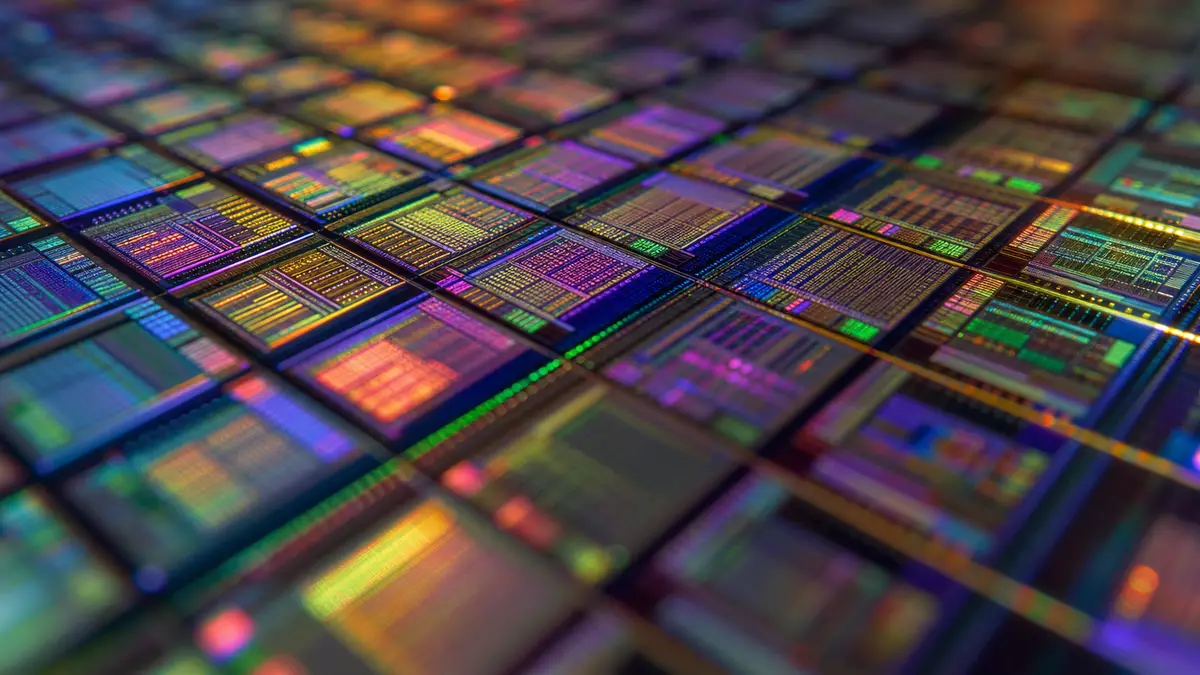
Among Soitec’s product offerings, its engineered FD-SOI wafers provide a representative example of the company’s value proposition. These substrates enable semiconductor manufacturers to design chips that balance power efficiency, cost, and performance, which is increasingly important in automotive microcontrollers, industrial control units, and certain edge computing applications. Revenue from FD-SOI wafer sales formed a growing component of Soitec’s fiscal 2024 performance, complementing its RF-SOI base.
Soitec stock and market context
Soitec stock reflects this blend of growth prospects and investment requirements. With fiscal 2024 revenue around EUR 1.3 billion and margins that have narrowed due to expansion and cost factors, the equity story is centered on whether future volume growth in FD-SOI and SiC can drive a renewed margin trajectory. Investors assessing the shares will weigh cyclicality, technological differentiation, and capital allocation, alongside broader semiconductor sector conditions.
Soitec stock at a glance
- Company: Soitec S.A.
- ISIN: FR0013227113
- Ticker: [ticker not evidenced]
- Trading venue: Euronext Paris
- Sector / Industry: Semiconductors / Semiconductor Materials
- Index membership: [index not evidenced]
Disclaimer regarding our articles: No investment advice, no buy or sell recommendation. Information on prices, companies, and markets is provided without guarantee; changes are possible at any time. Stock market transactions can lead to substantial losses. Our articles are created and reviewed in whole or in part automatically with the support of AI.