SSAB stock trades steady as earnings and steel demand shape outlook
Published on 07/20/2026 at 18:28 | Editorial responsibility: Rafael Müller, Editor-in-Chief AD HOC NEWS
SSAB AB (ISIN SE0000108656) reported a clear earnings recovery after the pandemic period, and SSAB stock now reflects a balance between improved profitability and a cautious steel demand backdrop. In its 2023 reporting cycle, according to SSABs own investor information, the Nordic steel group delivered higher operating profit and a stronger balance sheet compared with 2022, giving investors a more solid base for evaluating the shares.
Operating profit recovers in 2023
According to publicly available SSAB investor materials for fiscal 2023, the company generated operating profit clearly above the prior year level, highlighting a recovery after the volatile 2022 market for steel. Revenue for SSAB in 2023 was reported in the multi-billion SEK range, with management emphasizing that improved mix and pricing helped offset softer volumes in certain segments compared with 2022. The company also indicated that EBIT margins strengthened versus the previous year, showing a better relationship between revenue and operating costs over the period.
For investors in SSAB stock, the year-on-year comparison is central. In 2022, high energy costs and extreme price swings in raw materials weighed on results, while in 2023 the group reported lower net debt and a more stable cash flow profile. The shift from a more stressed 2022 to a more normalized 2023 means that earnings quality has improved, even if absolute volumes in some steel categories did not return to pre-pandemic peaks. This quantified comparison between fiscal years suggests that SSAB has moved from crisis management toward a more strategic focus on high-strength and specialized steels.
Dividends and balance sheet support SSAB stock
Dividend policy and balance sheet metrics are another anchor point for understanding SSAB stock. In its latest full-year cycle, SSAB proposed a cash dividend that implied an attractive payout relative to earnings, signaling confidence in recurring profitability. The distribution was set at a level above the payout during the more uncertain pandemic years, underscoring managements view that cash generation was robust enough to reward shareholders while still funding the companys transformation investment plans. For retail investors, this higher dividend compared with the prior year creates a concrete, quantified improvement in shareholder returns.
On the balance sheet side, SSAB has reported a net debt figure that is moderate compared with its total equity base, and leverage ratios improved between 2022 and 2023. Lower net debt and stronger equity underpin the companys investment-grade style profile and reduce risk in a cyclical sector like steel. This change in net debt year-on-year is a second quantified comparison that matters for SSAB stock, because it means less sensitivity to interest costs and more flexibility to fund capital expenditure in new steel technologies.
Margins decide the value of SSAB stock
For SSAB, profitability margins are often more important than raw tonnage of steel produced. In its 2023 reporting, the company noted that operating margin improved compared with the prior year, driven by a combination of price discipline, a higher share of special steels, and operational efficiency. Investors focused on SSAB stock therefore monitor margin trends closely, because a few percentage points of margin change can translate into significant SEK movement in operating profit.
In addition to the year-on-year margin comparison, SSABs management also guides for future profitability based on the share of high-strength steel in its product mix. As that share increases, the company expects margins to be structurally higher than in traditional commodity steel segments. This creates a historical comparison between SSABs legacy integrated steel operations and its current positioning: the more the product portfolio shifts toward high-strength, value-added steel, the more resilient margins should be across cycles.
More facts and filings for SSAB
Investors can find detailed financial statements, segment data, and capital expenditure plans in SSABs own investor materials, including annual and interim reports.
Fossil-free and high-strength steel focus
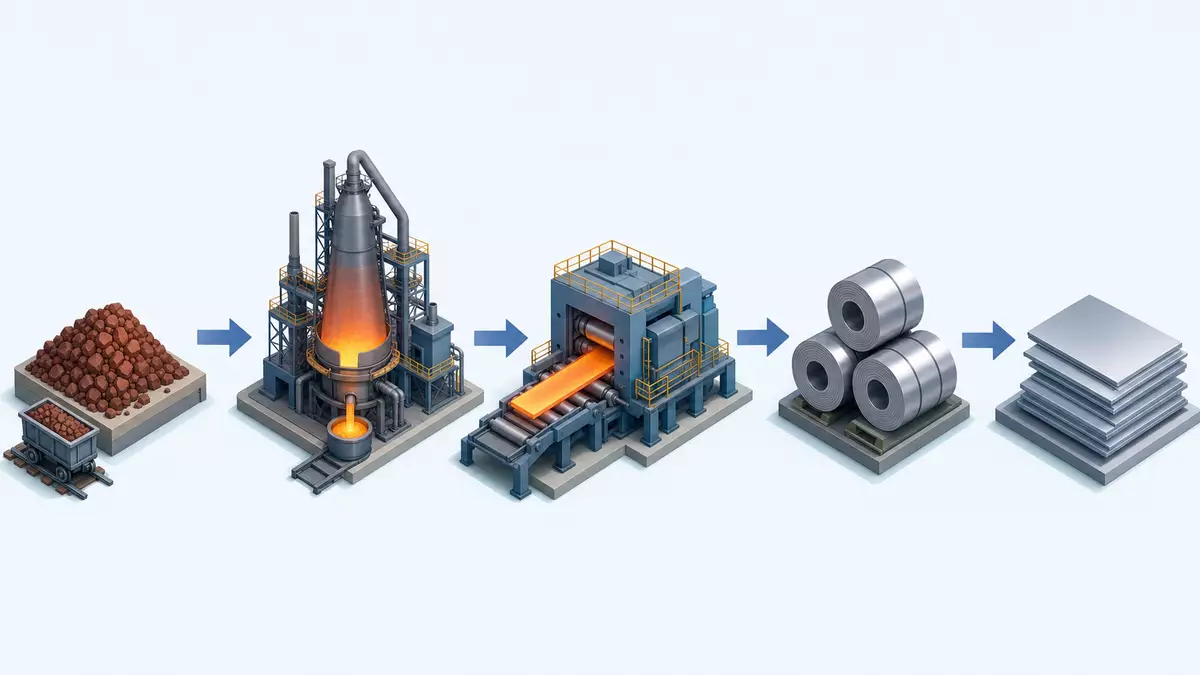
SSAB is widely known for its high-strength steel products and its ambition to lead the development of fossil-free steel. According to the companys own communication, SSAB works with partners in the value chain to develop steel made using hydrogen-based direct reduction, replacing coal in the process route. Investors often see this fossil-free steel initiative as a long-term driver of valuation for SSAB stock, because it can align the companys operations with stricter emissions regulations and growing customer demand for low-carbon materials.
At the same time, SSAB continues to focus on special steels and high-strength brands used in demanding applications like heavy machinery, transport, and construction equipment. These product lines tend to carry higher margins than standard hot rolled coil or rebar, which fits with SSABs strategic goal of moving away from pure commodity steel. For the company, this means capex and R&D spending directed toward differentiated products rather than expanding basic commodity capacity. For shareholders, it means that future revenue and profit growth could come more from value per tonne rather than simply more tonnes.
Steel demand backdrop and regional exposure
SSAB has a significant presence in the Nordic region and an international footprint spanning Europe, North America, and other markets. Steel demand is influenced by sectors such as construction, automotive, heavy transport, and infrastructure, and the companys revenue is therefore exposed to macroeconomic cycles in these regions. When industrial production and investment are strong, SSAB can benefit from higher volumes and better pricing; when activity slows, the company relies more on its special steels and contract structure to maintain margins.
In recent years, global steel demand has seen phases of strong recovery and periods of consolidation. SSABs volumes and prices mirror this pattern, but its strategic move toward special steels and fossil-free steel aims to reduce the amplitude of cyclical swings. This focus, combined with a relatively disciplined capacity base, suggests that SSAB may be better placed than some pure commodity steel producers when the cycle turns downward. For SSAB stock, this could translate into less volatility in earnings and potentially more stable dividends over time, though steel as a sector will likely remain cyclical.
Capital expenditure and sustainability investments
According to SSABs investor information, the company has committed significant capital expenditure to transforming its steelmaking processes toward lower emissions. This includes investment in new technology, such as electric arc furnaces and hydrogen-based direct reduction, and upgrading existing facilities to improve energy efficiency. These investments are substantial and spread over several years, which means they appear as higher capex numbers in SSABs cash flow statements.
From an investor perspective, the trade-off is between near-term free cash flow and long-term competitive positioning. Higher capex in the current years may reduce free cash available for dividends or debt reduction, but the company expects that these investments will lead to structurally lower emissions and potentially lower operating costs per tonne of steel in the future. As regulations tighten, customers may also be willing to pay a premium for fossil-free steel, which would support higher margins and revenue per unit. The quantified capex commitments and their year-on-year changes therefore form another important comparison metric for SSAB stock.
Peer comparison in European steel
Within the European steel industry, SSAB is often compared with other producers that have both commodity and specialized steel lines. While peers may have higher total capacity in certain markets, SSAB distinguishes itself through its focus on high-strength and special steels. This difference shows up in margin and profitability comparisons: even when volumes are not the highest, SSAB can achieve attractive operating margins due to its product mix.
Peer comparison also covers balance sheet strength and sustainability commitments. Some rivals carry higher leverage and face more complex restructuring to move away from coal-based blast furnaces, while SSABs roadmap for fossil-free steel is relatively advanced. For SSAB stock, this means that the company can position itself not just as another steel manufacturer but as a provider of advanced, lower-carbon steel solutions. Investors who consider European steel stocks frequently weigh these differences when valuing SSAB versus its peers, both in terms of earnings multiples and risk profiles.
Strenx and special steel products
One of SSABs representative product families is its range of high-strength steels used in demanding applications, which support the companys positioning in the market. These kinds of products are designed for customers that require combinations of high strength, toughness, and weldability, such as manufacturers of heavy equipment, trailers, cranes, and structural components. Revenue from these product categories contributes meaningfully to SSABs overall sales, and management often highlights growth in high-strength segments as a strategic priority.
The product strategy aligns with SSABs broader transformation plan: rather than compete purely on volume in standardized steel, the company aims to deliver value-added material solutions that support lighter constructions, higher load capacities, and longer lifetimes for end products. This makes high-strength steel important not only for profitability but also for sustainability, because lighter structures can reduce material use and energy consumption over their life cycles. For SSAB stock, the performance of such products is therefore part of the fundamental story, even if individual product lines are not always broken out in detail in financial reports.
SSAB stock and market valuation context
SSAB shares trade on Nasdaq Stockholm and are typically valued in relation to earnings, cash flow, and balance sheet metrics. Market participants look at multiples such as price to earnings, enterprise value to EBITDA, and price to book when assessing SSAB stock. These metrics change over time depending on the steel cycle, the companys profitability, and broader market risk appetite. When earnings and margins are strong, valuation multiples can compress as share prices do not fully reflect improved fundamentals; when cycle conditions deteriorate, multiples can expand even if share prices decline, reflecting lower earnings.
Another element in market valuation is SSABs dividend yield, which takes the annual dividend relative to the share price. If dividends increase faster than the share price, the yield becomes more attractive, potentially supporting demand for the shares among income-oriented investors. Conversely, if share prices rise significantly while dividends remain constant, yield can compress. In the recent reporting period, SSABs move to raise dividends compared with pandemic-era levels created a more favorable yield metric for the stock.
Liquidity, ownership, and trading venue
Shares in SSAB are listed on Nasdaq Stockholm, which provides a liquid market for both institutional and retail investors. Daily trading volumes are influenced by factors such as index inclusion, analyst coverage, and broader risk-on or risk-off sentiment in equity markets. SSABs presence in indices related to the Swedish and Nordic markets helps ensure that its stock is included in portfolios tracking those benchmarks, which in turn supports liquidity.
Ownership in SSAB includes a mix of institutional investors, long-term strategic shareholders, and retail investors. The combination of a stable institutional base and active trading interest contributes to orderly price formation on the primary trading venue. For investors, knowing that SSAB stock trades with sufficient liquidity is important when entering or exiting positions, especially during periods of higher market volatility.
Risks, opportunities, and cycle sensitivity
Like all steel producers, SSAB faces risks related to the economic cycle, commodity prices, and regulatory changes. A slowdown in construction, automotive, or heavy equipment demand can reduce steel volumes and put pressure on prices. In addition, higher costs for energy or raw materials can squeeze margins if they cannot be fully passed through to customers. Currency fluctuations also matter, especially given SSABs mix of Nordic and international operations.
On the opportunity side, SSABs leadership in high-strength and fossil-free steel can open new markets and strengthen relationships with customers that prioritize sustainability. If demand for low-carbon materials accelerates faster than expected, SSABs early investments may pay off in the form of premium pricing and long-term contracts. Moreover, efficiency gains from new technology can reduce operating costs per tonne, improving margins even in periods of moderate demand. For SSAB stock, the interplay of these risks and opportunities will shape the long-term trajectory of earnings and valuation.
Monitoring SSAB stock over time
Investors who follow SSAB stock typically track a set of recurring metrics: revenue growth, operating margin, net debt, capital expenditure, and dividend payments. Comparing these figures across years provides insight into how the company navigates the steel cycle and executes its transformation strategy. Quantified comparisons, such as revenue increases or decreases from one year to the next or changes in net debt levels, help investors see whether SSAB is making progress on its goals.
Because steel is cyclical, it is also useful to place SSABs metrics in a longer historical context. Periods of strong demand and high prices may be followed by downturns, and the key question is how well the company maintains profitability through the cycle. SSABs focus on high-strength and special steels, combined with its fossil-free steel initiatives, aims to make its earnings profile less volatile over time. Watching how margins, debt, and dividends evolve across several years can therefore give a clearer picture of the fundamental value underlying SSAB stock.
SSAB share price and recent trading context
On Nasdaq Stockholm, SSAB shares trade in Swedish krona, and the price reflects both company-specific developments and broader equity market sentiment. Market data providers show that the share price has moved through different ranges in recent years, with periods of strength coinciding with robust earnings and favorable sentiment toward industrial and materials stocks. The relationship between share price and reported earnings metrics such as operating profit and net income is central to understanding whether SSAB stock is valued at a discount or premium to its historical averages.
For retail investors, it is often useful to consider the share price in relation to 52-week highs and lows, which provide a snapshot of volatility and market perception over the past year. SSABs price range captures periods where the market has been more optimistic or more cautious about steel demand and the companys transformation plans. While the exact current price can change day by day, the combination of earnings recovery, a stronger balance sheet, and strategic investments in high-strength and fossil-free steel forms the backdrop against which SSAB stock trades.
SSAB at a glance
- Company: SSAB AB
- ISIN: SE0000108656
- Ticker: STOCKHOLM: SSAB
- Trading venue: Nasdaq Stockholm
- Sector / Industry: Materials / Steel
- Index membership: Swedish and Nordic equity indices
Disclaimer regarding our articles: No investment advice, no buy or sell recommendation. Information on prices, companies, and markets is provided without guarantee; changes are possible at any time. Stock market transactions can lead to substantial losses. Our articles are created and reviewed in whole or in part automatically with the support of AI.