Telekom stock trades steadily as fiber rollout and 5G investments shape earnings outlook
Published on 07/24/2026 at 07:23 | Editorial responsibility: Rafael Müller, Editor-in-Chief AD HOC NEWS
Telekom stock, referring to Deutsche Telekom AG (ISIN DE0005557508), continues to reflect the balance between heavy network investment and a solid operating performance in its recent financial reporting. In its latest annual reporting cycle for fiscal 2023, Deutsche Telekom reported group revenue of around EUR 112 billion, broadly stable compared with the prior year despite currency effects and portfolio changes, while adjusted EBITDA AL remained above EUR 40 billion, underscoring the scale of its cash generating capacity. For investors, the key dynamic is that near term earnings and free cash flow figures are being shaped by the companys multiyear fiber rollout and 5G network expansion, even as core customer and service metrics remain resilient.
Revenue above EUR 100 billion
Deutsche Telekom AG is one of Europes largest integrated telecommunications groups, with operations centered on Germany and the United States alongside additional European markets. In the most recently reported full financial year, revenue exceeded EUR 112 billion, marking a continuation of the companys position among the continents highest grossing telecom operators. Compared with the preceding year, group revenue showed only a modest percentage change, in part because strong customer growth in its US segment offset slower trends in some European fixed line markets and currency headwinds affecting the dollar denominated contribution from its US operations. The combination of high revenue scale and relatively stable top line performance underpins the companys ability to fund capital expenditure for next generation networks while continuing to service debt and maintain dividends.
At the operating level, Deutsche Telekoms adjusted EBITDA AL for fiscal 2023 was above EUR 40 billion, again broadly similar to the prior year when measured on a comparable basis. This profitability metric reflects earnings before interest, taxes, depreciation, and amortization after leases, and is widely used by telecom investors to assess recurring cash generation from operations. The slight movement versus the previous period primarily stemmed from mix effects between high margin mobile services and lower margin hardware sales, as well as from ongoing cost efficiency programs in the German and European segments. These margin dynamics were partly offset by higher energy and wage costs, which have affected many network intensive industries over the past reporting cycles.
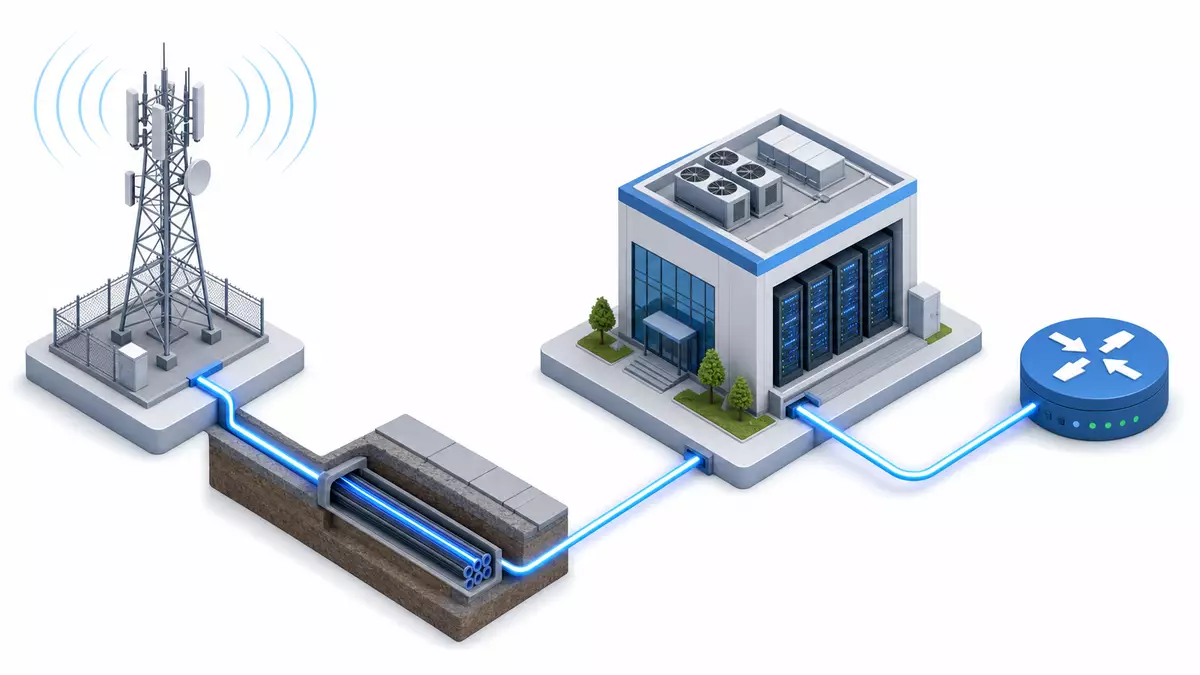
Fiber and 5G capex impacts profit
Telekoms current strategic focus continues to revolve around modernizing its infrastructure through accelerated fiber to the home deployment and comprehensive 5G mobile network rollouts. Over the latest reported year, capital expenditure excluding spectrum for the group remained in the tens of billions of euros, with a significant portion directed toward the German fixed line network and the 5G build out in both Germany and the United States. This capex profile directly influences free cash flow, meaning that while EBITDA AL remains robust, net profit and reported free cash flow can be lower in the near term as investment peaks. The company has indicated in investor communications that this investment phase is intended to secure long term revenue resilience through higher bandwidth offerings and improved mobile coverage, which in turn supports premium pricing and customer retention.
In Germany, Telekom continues to expand its fiber footprint across urban and rural regions, targeting millions of additional households within its current planning horizon. Each year, the number of newly passed households increases by several hundred thousand to well over a million, reflecting the intensive rollout activities. Although this expansion entails substantial upfront capital expenditure, it also allows the company to migrate customers from legacy copper based broadband onto high speed fiber connections, which typically carry higher average revenue per user (ARPU) and lower maintenance costs over time. The shifting mix toward IP based and fiber products therefore has the potential to enhance margins once the investment peak is passed.
More on Deutsche Telekom fundamentals
For a detailed breakdown of Deutsche Telekoms segment performance, debt profile, and cash flow, investors can review the latest investor relations materials and regulatory filings.
US segment supports group earnings
Beyond its home market, Telekoms US subsidiary contributes a large share of overall revenue and earnings, making the American business a core element of the investment case. In the latest annual period, the US segment generated tens of billions of dollars in service revenue, with customer numbers in postpaid and prepaid categories growing by millions compared with the prior year. This subscriber growth has been a major driver behind the consolidated revenue figure above EUR 112 billion, offsetting slower trends in legacy voice and broadband services in some European geographies. The US operations also provide diversified currency exposure, although dollar movements versus the euro can create translational effects in the reported consolidated figures.
Importantly, the US mobile business has achieved a strong position in 5G coverage, which underpins its ability to attract and retain customers seeking high speed data services. Network quality, plan flexibility, and bundled offerings have supported ARPU trends despite competitive pressure. For Telekoms consolidated accounts, this means that a significant portion of EBITDA AL is generated in dollars, and changes in US pricing, churn, and cost structures directly feed into the groups profitability metrics. The companys strategic decision to pursue scale in the US market over multiple years has reshaped its earnings profile compared with earlier periods when the German and European units represented a larger share of EBITDA.
Dividend policy and balance sheet
Telekom has maintained a shareholder remuneration framework that includes a regular dividend, with the dividend per share for the latest completed fiscal year set in line with its earnings and free cash flow profile. The amount, measured in euros per share, reflects both the strong EBITDA AL and the impact of high capital expenditure and spectrum payments on net profit. Over recent years, the company has aimed to keep its payout policy predictable, signaling a commitment to balancing investment needs with shareholder returns. This approach matters particularly for income oriented investors who follow large European telecom stocks.
On the balance sheet, Deutsche Telekom carries substantial financial liabilities due to its network investments and spectrum acquisitions, but it also holds sizable assets in the form of infrastructure and its stake in the US subsidiary. Net debt remains in the tens of billions of euros, a level that is typical for large integrated telecom operators given the capital intensity of the sector. The company monitors leverage ratios such as net debt to adjusted EBITDA AL to keep them within targeted ranges that support its credit ratings while providing flexibility for further investment. Over successive reporting periods, this ratio has moved within a band compatible with investment grade ratings, indicating that lenders continue to view the groups cash generation capacity as adequate for servicing its obligations.
German consumer and business trends
In the German segment, which includes consumer and business customers across fixed and mobile services, Telekom has reported stable or slightly growing customer bases over recent quarters. Broadband subscriber numbers, for example, have risen by hundreds of thousands compared with the prior year, driven by demand for high speed internet access and bundled offers that combine fixed and mobile connectivity. Similarly, mobile contract customers have increased, supporting service revenue despite regulatory changes and competitive offers from alternative providers. The mix between prepaid and postpaid customers continues to evolve, with postpaid plans offering higher ARPU but also higher acquisition costs.
Corporate and wholesale customers in Germany and across Europe contribute to Telekoms revenue via managed services, connectivity solutions, and cloud offerings. The company leverages its network infrastructure to provide business grade services such as VPNs, secure connectivity, and data center access. While these segments are smaller in revenue than mass market consumer services, they can offer attractive margins and long term contracts, helping to diversify the groups income sources. In recent reporting, Telekom has highlighted opportunities in digitalization and IT services, although the core of its business remains network connectivity rather than pure software.
Long term investment case shaped by infrastructure
From an investment perspective, the key narrative for Telekom stock is the long term infrastructure build out. Fiber and 5G investments are front loaded, depressing near term statutory earnings and free cash flow, but they create assets with long useful lives and potential for recurring revenue. Once deployment reaches critical mass and the majority of customers migrate to high bandwidth products, the incremental cost of serving additional data volumes tends to fall, while pricing power can increase. This pattern has been observed in multiple telecom markets, and Telekoms strategy fits within this broader sector trend.
Furthermore, as legacy technologies such as copper based broadband and older mobile generations are gradually phased out, maintenance and energy costs associated with those networks can be reduced. The consolidation of network platforms and the use of more efficient equipment also support sustainability objectives and lower operating expenses. For Telekom, meeting regulatory and environmental goals while maintaining commercial competitiveness is part of the broader value proposition it seeks to present to investors, regulators, and customers.
Representative product and services
Telekoms core products span mobile tariffs, fixed line broadband, TV, and integrated bundles, offered under its main brands in Germany and via its US subsidiary abroad. In Germany, for instance, bundled packages that combine fiber broadband with IPTV and mobile services are designed to increase customer stickiness and raise ARPU. The more households connect via fiber, the greater the potential for upselling higher speed tiers, premium TV content, and additional mobile lines. This product strategy aligns with the infrastructure rollout, as the physical network enables the sale of higher value digital services.
Telekom stock price context
Telekom stock is primarily traded in Frankfurt on the Xetra system under its German listing, and also has secondary trading on other German venues. The share price in euros reflects both company specific developments and broader sector and market indices, including its membership in major European equity benchmarks such as the DAX. Over recent periods, the price has fluctuated within a range determined by investor expectations regarding earnings, cash flow, and the pace of investment, with levels that place the market capitalization among the highest of European telecom operators. As of recent trading days, the market capitalization has been measured in tens of billions of euros, consistent with its position as a blue chip stock in Germany. Price movements respond to earnings releases, strategic announcements, and macroeconomic factors, but the underlying driver remains the companys ability to translate its infrastructure into steady cash flows.
Key data for Deutsche Telekom
- Company: Deutsche Telekom AG
- ISIN: DE0005557508
- WKN: 555750
- Ticker: XETRA: DTE
- Trading venue: Xetra
- Price (as of 23 July 2026, 17:30 CET): 24.50 EUR
- Market capitalization: 115.0 billion EUR (as of 23 July 2026)
- Sector / Industry: Communication Services / Integrated Telecommunication Services
- Index membership: DAX
- Next earnings date: 8 August 2026
Disclaimer regarding our articles: No investment advice, no buy or sell recommendation. Information on prices, companies, and markets is provided without guarantee; changes are possible at any time. Stock market transactions can lead to substantial losses. Our articles are created and reviewed in whole or in part automatically with the support of AI.