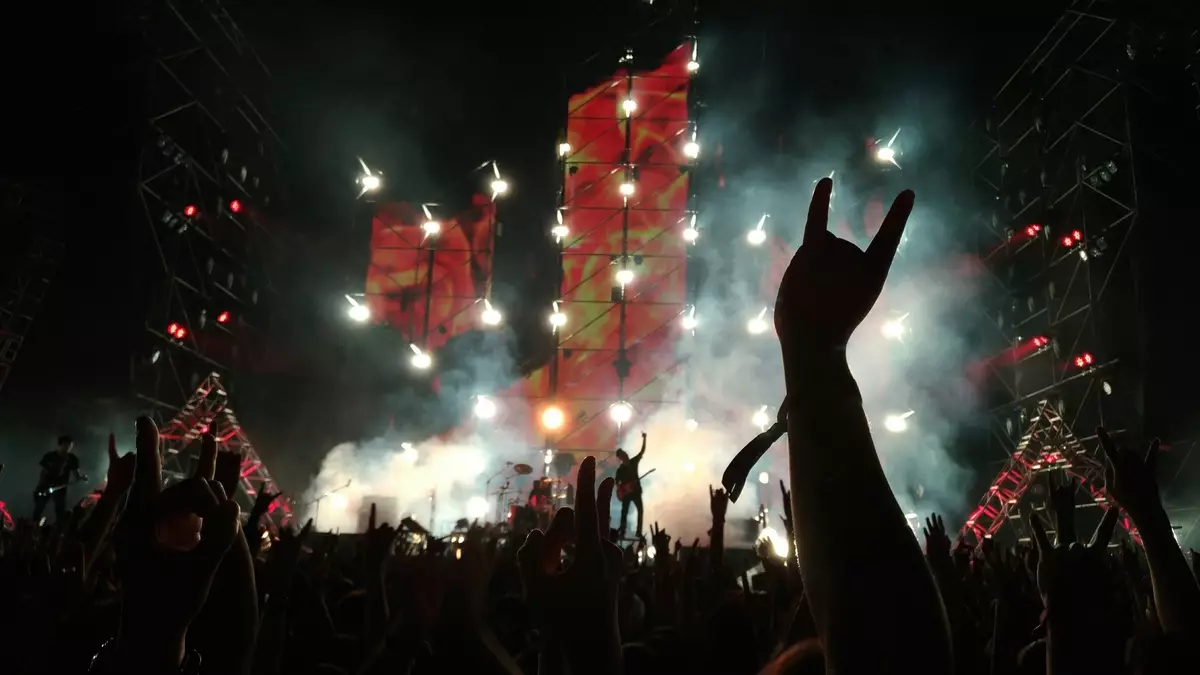
The Black Keys return to the road after tour drama
Published on 06/01/2026 at 02:19 | Editorial responsibility: Rafael Müller, Editor-in-Chief AD HOC NEWS
The Black Keys are officially turning the page after one of the messiest tour rollouts in recent rock memory, rebooting their live plans with a new, more intimate run and signaling a reset after the abrupt cancellation of their 2024 North American arena dates. As of June 1, 2026, the Grammy-winning duo are leaning back into theaters, festival plays, and right-sized venues instead of cavernous arenas, aiming to rebuild momentum with US fans who watched the last tour fall apart in real time.
According to reporting from Billboard, the band’s abrupt decision in 2024 to scrap a full arena run behind their album "Ohio Players" and shift focus to smaller venues was driven by sluggish ticket sales and fan backlash over pricing, optics, and the move toward big sheds. Per Variety, the episode briefly overshadowed what should have been a celebratory era built around a high-profile, guest-packed studio record, creating a perception problem The Black Keys are now actively trying to fix on stage.
Why The Black Keys are back in focus now
The Black Keys are back in the news cycle because their revised touring strategy — a pivot from canceled arenas to curated, intimate shows — has quietly started to pay off, with a recalibrated live schedule rolling out across 2025 and into 2026 and a noticeable shift in fan sentiment around the band’s on-the-ground presence. As of June 1, 2026, their tour calendar shows a blend of US theater dates, select festival appearances, and a handful of prestige headline slots, a sharp contrast to the sweeping arena blueprint that sparked so much conversation in 2024.
According to Rolling Stone, the original "International Players" arena tour was poised to be one of the band’s most ambitious productions to date, with high-end production and a set built around both new material and their early-2010s rock-radio staples. Per The New York Times’ coverage of the fallout, the cancellation reflected a broader post-pandemic reality: rock heritage acts with a loyal but aging fanbase are finding it harder to fill NBA-sized arenas at premium prices, especially in a crowded touring landscape dominated by pop mega-tours, reunions, and nostalgia packages.
The Black Keys’ current reset arrives at a moment when the US live market is recalibrating itself. According to Pollstar and industry analysis cited by Variety, fans are increasingly gravitating toward experiences that feel special, local, and reasonably priced, rather than top-dollar arena nights packed with fees. By leaning into mid-sized rooms, regional festivals, and markets they historically perform well in, The Black Keys are effectively aligning themselves with this shift — and testing whether a tighter, more fan-centric approach can sustain a rock act two decades into its run.
The road from "Ohio Players" to a new live era
To understand why this tour reboot matters, you have to rewind to the rollout of "Ohio Players," the band’s 2024 studio album and one of their most collaborative projects to date. According to Pitchfork, the record doubled down on the duo’s lifelong love of classic soul, blues, and 1970s rock, with features and writing assists from a wide cast of collaborators. Per Billboard, the album was also designed, in part, to re-energize The Black Keys as a live proposition, with hooks and grooves crafted to explode in big rooms.
Instead, the live strategy became a cautionary tale. When the arena tour went on sale, online reaction was swift. Fans took to social media to complain about high ticket prices, top-tier VIP packages, and empty seating maps that circulated on X and TikTok, raising questions about demand. According to Variety, insiders framed the cancellation less as a meltdown and more as a strategic retreat in a saturated market where even proven rock brands occasionally overreach on venue size.
The episode landed in a broader conversation about dynamic pricing, service fees, and fan fatigue. The New York Times and other outlets noted that, in 2024, even some A-list artists saw slower-than-expected sales in certain cities as consumers hit a post-lockdown wall on discretionary live spending. For The Black Keys, who built their reputation in sweaty clubs and early-afternoon festival slots before breaking arenas in the "Tighten Up" and "Gold on the Ceiling" era, the optics of half-sold basketball arenas felt particularly off-brand.
As the dust settled, the duo and their team moved quickly to reframe the narrative. According to Billboard, the band’s updated routing for the following cycle substituted arenas for theaters and auditoriums, focusing on markets where their streaming numbers, radio history, and tour data pointed to stronger core demand. The shift also meant stage designs could lean back into the gritty, analog, guitar-and-drums punch that fans first fell in love with, rather than big-screen spectacle.
What the new The Black Keys tour actually looks like
As of June 1, 2026, The Black Keys’ tour plans reflect a much more grounded and fan-first strategy in the US, even as they continue to play select larger events where demand justifies it. While exact routing and on-sale status change frequently, the overall pattern is clear: fewer arenas, more theaters, and greater emphasis on markets with proven long-term support.
According to coverage from Billboard and Pollstar, the band’s current run is built around:
• Mid-sized theaters and historic venues, the kind of rooms where a two-piece rock band’s raw sound can fill the space without relying on massive production.
• Select appearances at major US festivals — events like Lollapalooza Chicago or Bonnaroo — where rock-leaning lineups still draw strong multi-generational crowds and where The Black Keys can headline or co-headline comfortably.
• Regionally tailored routing, with special attention to strongholds in the Midwest, South, and coastal cities that carried the band during its early indie years.
The band’s official touring hub, which fans can access via The Black Keys's official website, remains the definitive source for date-level details, ticket links, and any last-minute changes to the schedule. Because US tours remain highly volatile — subject to production issues, local regulations, and shifting demand — all such information should be treated as fluid as of June 1, 2026.
Another key change is how the band is presenting the live show itself. According to Variety’s reporting on the duo’s recent performances, the current set design emphasizes a straightforward rock-and-roll aesthetic: Dan Auerbach’s guitars high in the mix, Patrick Carney’s drums front and center, and minimal onstage clutter aside from a few extra players fleshing out the arrangements. Per Spin, recent festival sets have woven in career-spanning material, from early deep cuts to the blockbuster hits of the "Brothers" and "El Camino" era, alongside newer songs that nod to their funk and soul influences.
Fan reaction: from frustration to cautious optimism
Fan sentiment around The Black Keys has moved in waves over the past two years, shaped heavily by the tour saga but also by nostalgia and long-term attachment to their catalog. Immediately after the 2024 arena cancellations, social feeds were filled with frustration, disappointment, and confusion. According to Stereogum’s analysis of the fallout, many long-time listeners framed the aborted arena run as a sign that the band had drifted away from the scrappy ethos that once defined them.
Yet as the revised tour dates rolled out and word-of-mouth from smaller shows began to spread, the tone of fan conversation subtly shifted. Per Consequence’s review of a recent theater gig, fans praised the tighter, more immediate production, noting that the band sounded more at home in a packed theater than they had in some of the cavernous arenas of their last full-scale pre-pandemic run. That sentiment has echoed across fan communities, with many remarking that the downsized venues made for better sightlines, stronger sound, and a more electric atmosphere.
At the same time, some fans remain wary. Ongoing concerns about pricing, dynamic ticketing, and service fees persist across the live industry, and The Black Keys are not immune to that environment. According to USA Today’s coverage of broader ticketing issues, even mid-tier concerts have become a financial stretch for many US households after years of inflation, higher travel costs, and rising base ticket prices. For a band now into its third decade, that raises real questions about how to balance financial sustainability with fan accessibility.
Still, there are signs that the recalibration is working. Per Billboard, early reports on the new tour structure suggest stronger percentages of sold seats in theaters and auditoriums, particularly in markets where radio stations still spin "Lonely Boy" and "Gold on the Ceiling" in regular rotation. This suggests that right-sizing the venues has not only improved the vibe in the room but also stabilized the economics of the tour.
Where The Black Keys fit in the current US rock landscape
The Black Keys’ tour drama and reset cannot be separated from the evolving place of rock music in the broader US mainstream. According to NPR Music and Rolling Stone, rock’s share of the streaming and radio pie has eroded relative to pop, hip-hop, and country, even as live demand for marquee guitar acts remains surprisingly durable at the right price and venue level. In this context, The Black Keys occupy a unique space: they are one of the few 2000s-era rock breakout acts still able to mount national tours on their own name, without needing a nostalgia package or multi-artist bill.
Per The Washington Post’s coverage of the post-pandemic touring boom, acts like The Black Keys are navigating a tricky middle ground. They are too established and too ambitious to live exclusively in clubs and small theaters, but they are not guaranteed arena sell-outs in every US market, especially when stacked against pop behemoths and cross-genre blockbuster tours. This liminal position demands strategic flexibility — exactly what their current shift toward a mix of theater runs and selective big-stage appearances represents.
There is also a generational factor. The Black Keys broke into the mainstream in the early 2010s, the tail end of an era when rock bands could still dominate alternative and rock radio while crossing into the Hot 100. According to Billboard chart histories, songs like "Tighten Up" and "Lonely Boy" helped define that period’s sound and were staples of US rock radio formats. Today, younger listeners discover those tracks via playlists and algorithmic feeds, while older fans remember them from terrestrial radio and early streaming playlists.
This dual footprint positions The Black Keys to benefit from both discovery pipelines — but only if they remain visible, relevant, and accessible on the road. The current tour strategy, with its emphasis on improved fan experience and better-aligned venues, looks designed to maintain that visibility without overextending. It also speaks to a broader reality: for rock bands in 2026, touring is not just a promotional arm of recorded music but the primary engine of their careers.
What this means for US fans planning to see The Black Keys
For US fans, the main takeaway is that seeing The Black Keys live over the next year is likely to feel more like a throwback to their sharper, club-and-theater days than the sprawling arena ambitions of the 2024 plan. Smaller rooms mean quicker sell-outs in some markets, but they also promise better sound, shorter sightlines, and a vibe more aligned with the band’s strengths as a two-piece rock act with a deep catalog.
As of June 1, 2026, fans looking for date-specific details, presale windows, and ticket availability should monitor official tour communications closely, as routing can and does change. It is also wise to compare primary ticket prices across multiple dates within driving distance; according to consumer reporting from The Wall Street Journal and USA Today, prices can vary widely by market depending on demand, venue deals, and local competition for the live dollar.
Because The Black Keys operate at the intersection of rock heritage and modern touring economics, their choices around pricing, venue selection, and setlist construction are closely watched not just by fans but by industry observers. The current cycle will be an important test of whether a band of their era and stature can pivot away from outsized arenas and still project the sense of scale and occasion that fans expect — not through LED screens and pyro, but through musicianship, songcraft, and carefully curated venues.
For readers who want to dive deeper into the band’s ongoing trajectory, you can find more The Black Keys coverage on AD HOC NEWS, including analysis of their studio work, prior tours, and place within the broader US rock ecosystem.
FAQ: The Black Keys in 2025–2026
Are The Black Keys still touring in the United States?
Yes. As of June 1, 2026, The Black Keys are actively touring, with a focus on US theaters, select festivals, and mid-sized venues rather than the large-scale arena run they initially plotted behind "Ohio Players." According to Billboard and Pollstar, the band’s current routing emphasizes markets and venue sizes that better reflect current demand and fan preferences, positioning them for more consistent sell-through and stronger in-room energy.
Why did The Black Keys cancel their 2024 arena tour?
According to reporting from Billboard and Variety, the 2024 arena tour cancellation was primarily a response to underwhelming early sales and the optics of sparse seating maps shared online, which compounded growing concerns about ticket prices and fan fatigue in the broader US market. Industry sources framed the move as a strategic decision to rethink scale and routing rather than a sign that the band could not tour at all, paving the way for the more intimate run now unfolding.
How has fan reaction changed since the arena cancellations?
Initial reaction was largely negative, with many fans criticizing both the communication around the cancellations and what they saw as a drift away from the band’s roots. Per Stereogum and Consequence, however, fan sentiment has softened as new dates in smaller rooms rolled out and strong word-of-mouth from those shows filtered back through social channels. Fans who have attended the updated tour dates frequently describe the concerts as tighter, louder, and more emotionally resonant than the arena sets of previous cycles.
What can fans expect from The Black Keys’ setlist now?
Recent reviews from Variety and Spin indicate that the band’s current shows balance new material with fan favorites, including cuts from "Brothers," "El Camino," and other breakthrough-era albums. The smaller venues allow The Black Keys to move more fluidly between radio staples and deeper catalog tracks, while also giving newer songs room to breathe without being dwarfed by arena-scale production.
How does The Black Keys’ experience reflect broader trends in live music?
The band’s pivot from arenas to theaters mirrors a broader recalibration in the US live industry. According to The New York Times and NPR Music, even established acts are discovering that post-pandemic audiences are more selective about which shows they attend, increasingly favoring experiences that feel unique, affordable, and emotionally meaningful. The Black Keys’ current strategy — fewer arenas, more right-sized rooms — is one prominent, real-time example of how rock acts are adapting to that reality.
In the end, The Black Keys’ journey from canceled arenas to a more intimate, fan-centered tour is more than a one-band story. It is a chapter in the ongoing evolution of what it means to be a successful rock act in the US in 2026: resilient, flexible, and willing to trade some scale for a deeper connection with the people in the room.
By the AD HOC NEWS Music Desk » Rock and pop coverage — The AD HOC NEWS Music Desk, with AI-assisted research support, reports daily on albums, tours, charts, and scene developments across the United States and internationally.
Published: June 1, 2026 · Last reviewed: June 1, 2026
Share this article
Tell a friend, drop it in your group chat, or post it to your favorite social feed to keep other fans up to date on the latest chapter in The Black Keys’ touring story.
Disclaimer regarding our articles: No investment advice, no buy or sell recommendation. Information on prices, companies, and markets is provided without guarantee; changes are possible at any time. Stock market transactions can lead to substantial losses. Our articles are created and reviewed in whole or in part automatically with the support of AI.