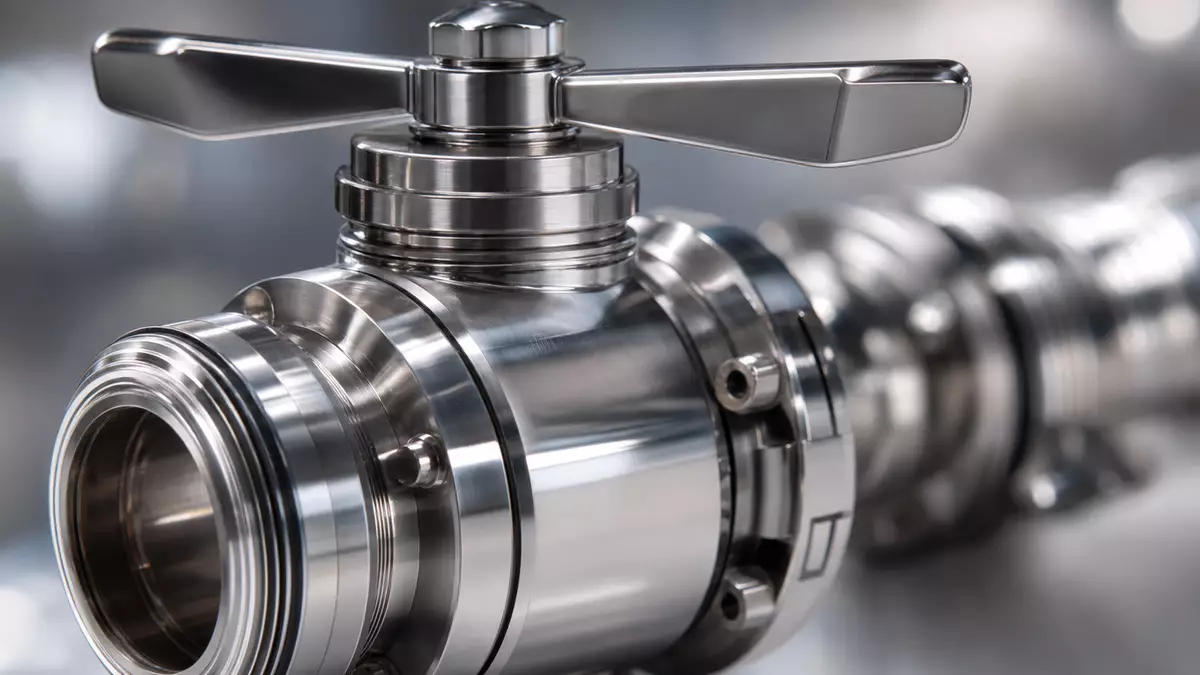
The GEA DairyRobot R9500. Automated milking for modern farms
Published on 07/19/2026 at 14:57 | Editorial responsibility: Rafael Müller, Editor-in-Chief AD HOC NEWS
The GEA DairyRobot R9500 stands in a quiet barn aisle, stainless steel surfaces catching the dim light as a Holstein cow calmly steps into the milking box. The humming of pumps and the soft clack of pneumatic arms replace the clatter of buckets and handwork from earlier decades.
From classic milking parlor to robot box
GEA DairyRobot R9500 is GEA’s modular automatic milking system targeted at dairy farms that want to move from conventional parlors to box-based milking with higher flexibility. Each robot box is designed to milk individual cows around the clock, guided by transponder identification and herd management software.
On GEA’s product page, product manager Jan-Hendrik Büscher describes the DairyRobot concept as a system that should fit into existing barn layouts instead of forcing farmers to redesign the whole building. The box can be integrated into new installations or retrofitted into traditional free-stall barns, which matters for farms with tight investment budgets.
GEA Group AG in dairy technology
GEA’s milking and farming segment is part of a broader process technology portfolio that drives recurring business with service and spare parts.
Capacity and cow comfort
According to GEA, one DairyRobot R9500 box can milk roughly 60 to 70 cows, depending on herd performance, management and milking frequency. This figure positions the system for mid-sized herds rather than very small family farms or the largest industrial operations.
The robot box uses an automatic teat cup attachment system guided by 3D camera technology and sensors that monitor milk flow and udder health. The cow stands on a rubber floor for better grip, and side panels shield her from visual stress, creating a calmer environment than an open parlor.
Automation and farm data
GEA DairyRobot R9500 is usually paired with GEA’s DairyNet or similar herd management software, which collects data on milk yield, conductivity and cow visits. Farmers can analyze the information on a PC screen in the farm office or on a tablet while walking through the barn.
An article in specialist outlet Top Agrar notes that farmers increasingly value milking robots because they shift labor from fixed milking times to more flexible supervision tasks, especially during early mornings and evenings. The robotic system’s data also helps detect mastitis or irregular milk production earlier than visual inspection alone.
Energy use and cleaning
GEA emphasizes energy efficiency with the R9500 by using variable-speed vacuum pumps and optimized water consumption in the cleaning cycles. That matters in regions where electricity prices and water availability put pressure on agricultural margins.
The robot executes automatic cleaning of the teat cups and internal piping, integrated with GEA’s pipeline and tank hygiene components. A farmer standing next to the box hears the swish of cleaning solution and sees status lights indicate that the system is ready for the next cow.
Installation variants and service
GEA DairyRobot R9500 can be installed as single boxes, multiple boxes in a row, or combined with pre-selection areas that guide cows to robots more efficiently. In practice, barn layout, feeding alleys and resting areas determine how many robots make sense on a site.
Service is a key selling point. GEA maintains regional service networks in major dairy regions such as Germany, the Netherlands and Denmark, offering preventive maintenance and remote monitoring. Farmers sign service contracts to reduce downtime risk; a broken robot during peak milking hours can quickly affect the daily milk volume.
Competition in the robot barn
The automatic milking market is competitive, with rivals like DeLaval’s VMS systems and Lely’s Astronaut robots. GEA positions the DairyRobot R9500 as part of an integrated dairy farm concept including feeding systems, milk cooling and hygiene equipment.
Industry coverage by outlets such as Dairy Herd Management and Progressive Dairy repeatedly highlights that robot choice is often linked to local dealer presence and service quality rather than pure technical specs. Farmers want quick spare parts delivery at 3 a.m. more than marginal differences in sensor hardware.
Investment and payback
For a mid-sized European dairy farm, investing in one or more GEA DairyRobot R9500 units means a six-figure euro budget including construction work, robots, cooling and software. Financing often combines bank loans, EU or national subsidies and farm equity.
Consultants cited by agricultural banks speak of typical payback periods between eight and twelve years, depending on herd size, labor savings and milk prices. A higher milk yield from more frequent milking can help, but the payback calculation always depends on volatile milk markets.
Human factor on a robot farm
Even with robots, dairy farming remains a hands-on business. Farmer Anna Müller, quoted in a German dairy magazine, mentions that she now spends more time checking data screens and walking through the barn instead of standing in the milking parlor. She still needs to treat sick animals and manage breeding.
GEA’s sales teams highlight that the R9500 reduces repetitive strain from bending and lifting in classic parlors. Yet robots can fail, and then the farmer who once left the parlor must step back in with manual equipment or temporary solutions until service arrives.
Regulation and animal welfare
European animal welfare regulations require appropriate rest areas, feeding space and udder health monitoring, regardless of whether milking is manual or automated. GEA integrates components such as cow brushes, water troughs and stall equipment together with the robots to support compliance.
Milking robots like DairyRobot R9500 can support welfare by allowing cows to choose their own milking times within herd management rules. However, regulators and veterinarians still insist on physical inspections and hoof care; sensors do not replace all human observation.
Technology lifecycle and upgrades
GEA regularly updates its robot systems, for example by improving software interfaces, adding new sensor modules or tweaking camera algorithms for faster teat detection. Existing R9500 installations can often receive software upgrades and selected hardware retrofits without full replacement.
This lifecycle approach creates recurring revenue for GEA through service contracts, spare parts and upgrade kits. For farmers, it offers a way to keep the robot barn technologically current without repeating the original investment size every few years.
GEA stock context
For GEA, the milking and farming segment is only one pillar beside larger process technology businesses in food and pharmaceuticals, but it adds stable revenue tied to hardware and service contracts. The GEA Group AG share (ISIN DE0006602006) trades on Xetra in euro, with dairy technology contributing to investor interest as part of the broader equipment portfolio.
Key facts on GEA DairyRobot R9500
- Product: GEA DairyRobot R9500
- Manufacturer: GEA Group AG
- Category: Classic/Longseller dairy milking robot
- Market launch: Around 2018 as successor in GEA’s robot line
- MSRP / Price: Project-specific, typically high six-figure euro range for full installation
- Availability: Available via GEA dealers in major dairy regions worldwide
- Target group: Mid-sized and larger professional dairy farms
- Highlight / USP: Modular box system integrated into GEA’s wider dairy farm portfolio
Disclaimer regarding our articles: No investment advice, no buy or sell recommendation. Information on prices, companies, and markets is provided without guarantee; changes are possible at any time. Stock market transactions can lead to substantial losses. Our articles are created and reviewed in whole or in part automatically with the support of AI.