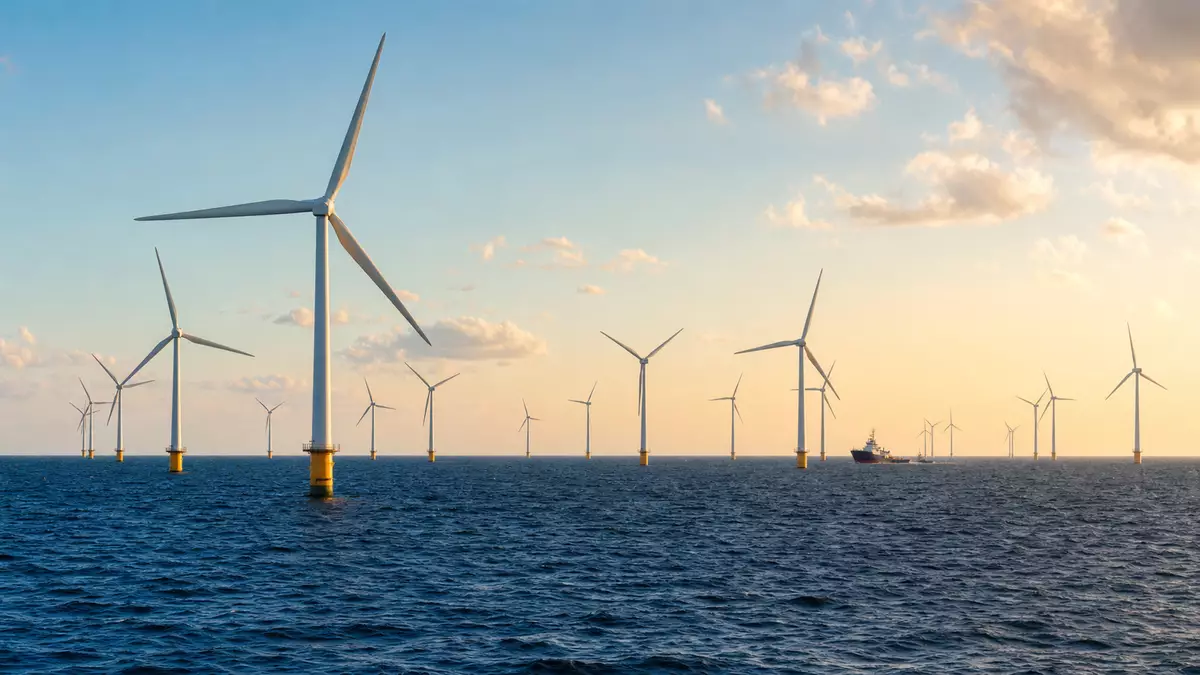
The Vestas V52-850 kW. A classic onshore workhorse for smaller wind sites
Published on 07/19/2026 at 09:49 | Editorial responsibility: Rafael Müller, Editor-in-Chief AD HOC NEWS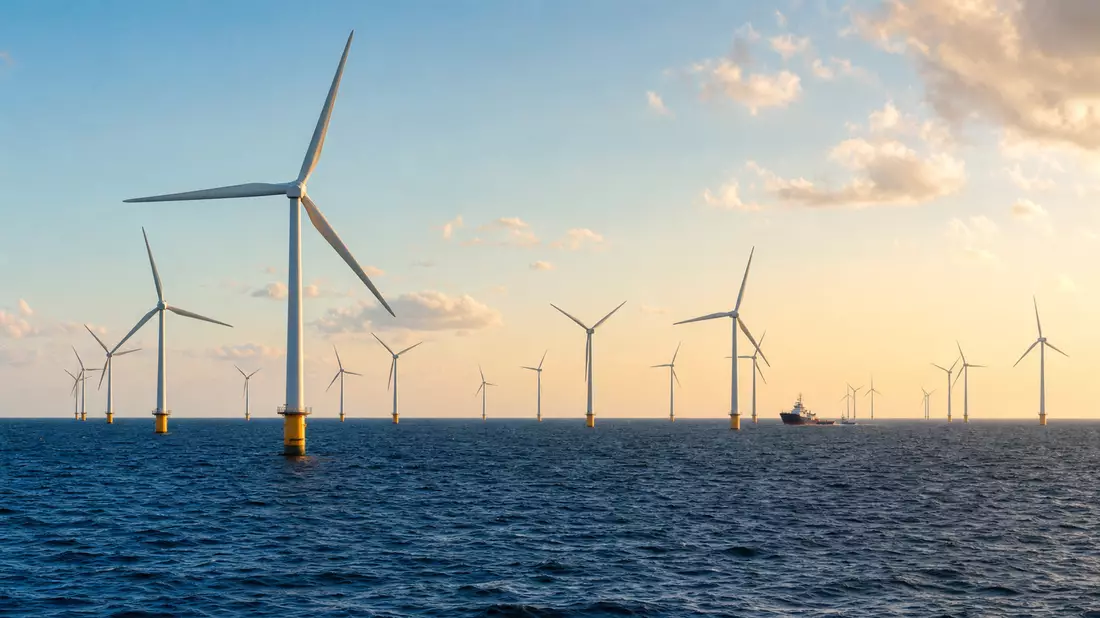
The Vestas V52-850 kW stands on low hills and coastal plains like a steady white giant, its 52 meter rotor sweeping the air with a slow, deliberate rhythm. When you walk up to the tower base, you hear the constant hum from the nacelle and feel a faint vibration under your boots.
Compact classic for tight sites
Vestas first introduced the V52-850 kW as part of its 800 kW platform, designed for smaller onshore sites with limited grid capacity and tricky access roads. The turbine uses a three-bladed, pitch-regulated rotor with a 52 meter diameter, optimized for medium wind speed classes.
The standard hub height for the V52 ranges from around 44 to 60 meters, allowing project developers to tailor the configuration to local wind conditions and visual constraints. In practice, that means the V52 often appears on ridgelines near villages, where taller towers would face resistance from residents or local authorities.
Vestas V52-850 kW and the role of legacy turbines
How older Vestas onshore models like the V52 still contribute to the long-term revenue base behind Vestas Wind Systems A/S stock.
Technical profile and performance
The V52-850 kW uses a 850 kW generator and a geared drive train, coupled with active stall or pitch regulation depending on configuration. Vestas designed the turbine for IEC IIA/IIIA wind classes, covering both moderate and low-wind areas where larger machines would deliver limited incremental yield.
Annual energy production obviously depends on site conditions, but project documentation from European wind farms often quotes net yields in the range of 2 to 3 GWh per turbine per year at decent onshore locations. That figure makes the V52 interesting for municipalities and cooperatives planning small portfolios of 5 to 10 machines.
Role in community and small-utility projects
Walk around a typical V52 site in Denmark or Germany and you often see farmhouses within a few hundred meters, with cows grazing under the spinning blades. The moderate tower height and rotor diameter reduce visual dominance, compared with newer 4 MW giants towering 120 meters or more.
According to project dossiers from regional developers, V52 installations frequently appear on mixed-use agricultural land or near small industrial estates. Local power companies connect the turbines to 10 to 20 kV distribution lines, feeding community supply or small industrial loads without heavy grid reinforcements.
Service, lifetime and repowering
While Vestas no longer markets the V52 as a current sales product, the company maintains a service and spare parts portfolio for the legacy fleet through its service division. Service contracts typically cover preventive maintenance, component replacement, remote monitoring and performance optimization over a 20-year design life.
Henrik Andersen, CEO of Vestas, often stresses in interviews that service revenues and life-extension contracts for installed turbines are a core pillar of the group's financial stability. Older models like the V52 remain part of this installed base, generating recurring income long after initial commissioning.
Global footprint and typical markets
The V52 platform has seen installations across Europe, North America and parts of Asia, mainly in onshore projects with modest wind resources and constrained sites. In India and China, developers used similar mid-size machines to gain early experience with grid integration and remote operation before shifting to larger turbines.
An example from Ireland shows a multi-turbine rural wind farm where several V52 units stand alongside slightly larger V66 machines. The combination allows developers to tailor output to site-specific wind distribution while keeping construction logistics manageable on narrow country roads.
Design choices and acoustic profile
From close up, one of the notable sensory impressions of the V52 is the relatively soft aerodynamic noise from the blades. At a distance of 200 meters on a breezy day, you mainly hear a gentle "swish" rather than mechanical clatter, thanks to blade profile and pitch control.
Vestas engineers designed the rotor with attention to leading-edge shape and tip geometry, aiming for a balance between energy capture and acoustic footprint. For communities concerned about noise near residences, these design choices help position the V52 as a pragmatic compromise.
Grid integration and controls
Control systems in the V52 include pitch control, yaw systems and supervisory control with remote monitoring links to the operator's control room. Modernized units can connect to Vestas' service platforms with data logging and performance analytics, even if they predate the latest digital offerings.
In practice, operators use SCADA systems to track wind speed, rotor speed, power output and alarms across fleets of V52 turbines. On windy days, the effect in the control center is visible as rows of green indicators and rising power curves, translating the rhythmic motion of the blades into grid feed-in.
Economics for smaller investors
For municipal utilities and energy cooperatives, the V52-850 kW often presented an accessible step into wind power investment. Lower capital expenditure than multi-megawatt turbines, combined with manageable visual impact and proven technology, made the economics easier to explain to local councils and citizens.
Project prospectuses frequently calculate payback based on feed-in tariffs or power purchase agreements spanning 15 to 20 years. Though tariff regimes have evolved, the underlying model of reliable, moderate output from mid-size machines remains a reference when investors evaluate repowering or small new-builds.
Repowering pressure and policy trends
Today, policy pressure in many European countries encourages repowering, replacing older mid-size turbines with fewer, larger machines delivering higher output per site. That dynamic affects fleets of V52 turbines, especially on prime ridgelines where grid connections already exist.
Developers sometimes propose swapping several 850 kW units for new 4 to 6 MW machines, citing improved land-use efficiency and higher yields. Yet community resistance to taller towers and changing landscapes means some V52 installations continue in operation beyond their expected design life.
Environmental and social considerations
On the ground, the environmental footprint of a single V52 turbine remains relatively compact: one tower foundation, access tracks and a limited construction area. Compared with larger modern turbines, the smaller rotor and tower reduce collision risk perceptions for birds and bats, though actual impacts depend on site ecology.
Socially, developers emphasize the role of mid-size turbines like the V52 in early acceptance of wind power. Residents who grew used to these machines over decades sometimes view them as part of the landscape, while reacting more critically to proposals for much taller replacements.
Vestas portfolio context
Within the broader Vestas portfolio, the V52-850 kW represents an earlier generation compared with the current EnVentus and 4-6 MW platforms. The company's website now focuses on larger onshore and offshore machines, but legacy models sit in background documentation and service offerings.
Vestas' official service pages highlight multi-brand and legacy service capabilities, including long-term maintenance for older turbines. That messaging helps reassure asset owners that V52 fleets will not lose support overnight, which matters when banks and investors evaluate project refinancing and life extension.
Financing and bankability history
When the V52 was actively marketed, banks and lenders viewed the model as bankable due to Vestas' track record and installed base. Technical risk assessments considered component reliability, grid compliance and manufacturer warranties as key factors.
Financing packages often combined senior debt with equity from utilities, cooperatives or infrastructure funds. Over time, the performance history of V52 fleets contributed to the broader perception of wind power as a mainstream infrastructure asset class.
Digital upgrades and monitoring
In recent years, operators have retrofitted some older turbines with improved sensors and communication modules to feed data into modern monitoring systems. For V52 machines, that can include updated controllers or remote communication hardware, allowing integration into newer SCADA platforms.
Digital upgrades enable predictive maintenance based on vibration, temperature and output profiles. For technicians standing in the cramped nacelle of a V52, the laptop screen showing real-time data turns the hum of the generator into early warnings about bearing wear or gearbox issues.
Operations and maintenance reality
On a service day, Vestas technicians climb the V52 tower via ladders or interior elevators, carrying tools and safety gear. Inside the nacelle, the space is tight, with the generator, gearbox and control cabinets occupying most of the room.
Service manuals specify inspection intervals for bolts, lubrication systems, yaw drives and pitch mechanisms. Replacement of major components like gearboxes requires cranes and planned downtime, which operators schedule during lower-wind seasons when the lost output hurts less.
Local acceptance and visual impact
Residents living near V52 sites often mention the slow-turning blades as a reassuring sight, indicating that the wind is being used rather than wasted. At sunset, the white tower and blades can take on a soft orange hue, giving the turbine a calmer presence in the landscape.
Visual impact assessments typically compare turbine dimensions with nearby buildings, tree lines and terrain elevations. For the V52, moderate tower heights reduce skyline dominance, though shadow flicker and nighttime obstruction lighting still need careful planning in permitting processes.
Policy incentives and support schemes
Historically, feed-in tariffs and green certificate schemes in countries like Germany, Denmark and Spain underpinned investment in machines such as the V52. Tariff schedules defined remuneration per kWh over fixed periods, providing revenue visibility for lenders.
As auctions replace fixed tariffs, the economics for smaller turbines become more challenging compared with large-scale onshore farms. Nevertheless, existing V52 fleets continue to benefit from legacy contracts, feeding power into grids under older regulatory frameworks.
Lifecycle emissions and sustainability
Lifecycle analyses of mid-size turbines show that the energy required to manufacture, transport and install machines like the V52 is typically offset within months to a few years of operation, depending on wind resources. After that energy payback point, the turbine contributes net low-carbon electricity for the remainder of its life.
Materials used in the V52 include steel for the tower, composite materials for blades and various metals for mechanical and electrical components. End-of-life strategies currently focus on steel recycling and research into blade material recovery, reflecting broader industry efforts rather than model-specific innovations.
Comparative positioning versus modern turbines
Compared with Vestas' current onshore platforms delivering 4 MW or more per turbine, the V52-850 kW seems modest. Yet its smaller size can open sites that would be impractical for large machines due to logistics or community constraints.
Developers decide between keeping older mid-size machines or repowering based on site wind distribution, grid capacity and regulatory rules. In many cases, the decision is economic rather than technical, with V52 fleets still mechanically capable of continued operation with proper maintenance.
Case examples from European projects
Several European wind projects documented in public databases list V52 turbines in mixed fleets, alongside other Vestas models like V47 or V66. These sites often date back to the early 2000s, reflecting the phase when the V52 was a mainstream choice for developers.
Project operators report capacity factors in the 20 to 30 percent range for these mid-size turbines, depending on resource quality and curtailment requirements. That operational record contributes to investors' understanding of risk in older fleets when refinancing or selling assets.
Long-term outlook for V52 fleets
Looking ahead, the future of V52 fleets hinges on national repowering rules, grid planning and community preferences. Technical lifetime extension through component replacement can push operating lives beyond 20 years, but economics and permitting ultimately decide the timeline.
For investors in Vestas, the key point is that service contracts and upgrades on older models add to recurring revenue streams. Even if the V52 is not a headline product anymore, its installed base still matters in the service backlog.
Context and Vestas stock
From a stock perspective, the V52-850 kW illustrates how legacy onshore turbines underpin the service segment of Vestas, providing stable cash flows alongside new turbine sales. The combination of long-lived assets and new projects influences how analysts view revenue stability and margin resilience.
On Xetra, the Vestas Wind Systems A/S share trades in euros, giving German investors exposure to this Danish wind technology group via a familiar currency framework.
Key facts: Vestas V52-850 kW
- Product: Vestas V52-850 kW
- Manufacturer: Vestas Wind Systems A/S
- Category: Classic / Longseller onshore wind turbine
- Market launch: Early 2000s (legacy fleet still in operation)
- MSRP / Price: Project-specific, typically part of full EPC contract
- Availability: No longer marketed as new; supported via Vestas service
- Target group: Municipal utilities, energy cooperatives, small utilities and wind project developers
- Highlight / USP: Mid-size rotor and tower height for constrained onshore sites with ongoing service support
Disclaimer regarding our articles: No investment advice, no buy or sell recommendation. Information on prices, companies, and markets is provided without guarantee; changes are possible at any time. Stock market transactions can lead to substantial losses. Our articles are created and reviewed in whole or in part automatically with the support of AI.