
The Who return to the road in a new live era
Published on 06/14/2026 at 16:20 | Editorial responsibility: Rafael Müller, Editor-in-Chief AD HOC NEWS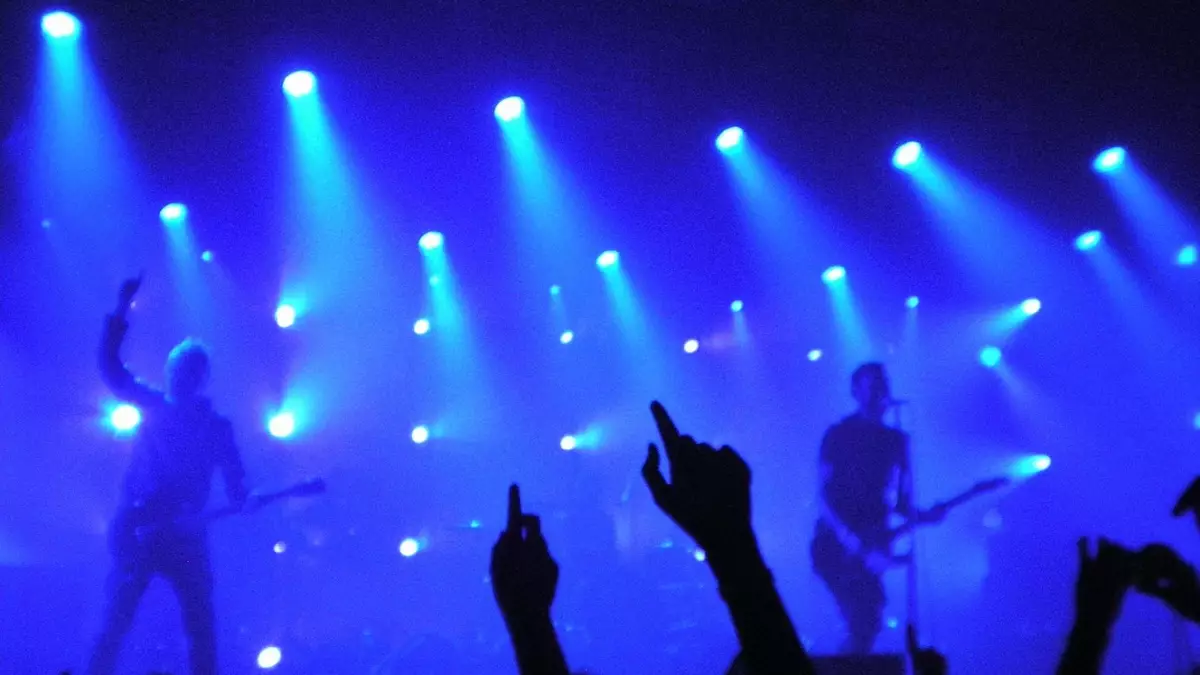
Stadium lights dim, a familiar synth loop rises, and The Who crash into Baba O'Riley as if the last six decades never happened. For generations of US rock fans, The Who are not just a classic-rock staple but a living, touring institution that keeps rewriting what an aging band can do on stage.
Onstage stamina and The Who's modern tours
Across the last two decades, The Who have turned late-career touring into an art form, repeatedly returning to US arenas and amphitheaters with productions that balance rock opera drama and straight-ahead hits shows. After regrouping for major tours in the 2000s, the band has treated the road as the main arena where their story continues to evolve.
As outlets like Rolling Stone and Billboard have chronicled, the band consistently frames these runs as events rather than routine greatest-hits packages, often building a full narrative around albums such as Tommy and Quadrophenia or presenting orchestral productions that recast their catalog in widescreen color. Those large scale shows, regularly promoted in partnership with major players like Live Nation, underline how deeply US promoters still trust The Who as a headlining draw.
Crucially, these tours double as a bridge between eras. Younger fans encounter songs they know from classic-rock radio, streaming playlists, and film soundtracks in the environment they were designed for: a loud, communal, cathartic show. Older fans, who may have seen The Who in the seventies or eighties, return to measure their own lives against the band’s evolving performances of pieces like My Generation or Love, Reign O'er Me.
That intergenerational mix gives their tours a different feel from some peers. Instead of leaning only on nostalgia, The Who’s modern concerts emphasize stamina, reinterpretation, and the idea that a rock song can keep accruing new meanings as the writers age alongside their audience. For US Discover readers considering another night out with the band, that living, changing quality is the real selling point.
- Late-career tours position The Who as a continuing live force, not just a nostalgia act.
- US promoters regularly book the band in arenas and large outdoor venues, signaling enduring demand.
- Set lists blend full-album performances, orchestral arrangements, and core anthems.
- Shows often attract multiple generations, reflecting the band’s cross-era reach.
Even when there is no single new studio LP driving the cycle, these tours function like moving retrospectives. They rewrite how The Who’s catalog is experienced by putting emphasis on dynamics, storytelling, and crowd connection rather than museum-style preservation.
Why The Who still matter to US rock fans
For US listeners who grew up with classic-rock radio, The Who are a foundational presence. Songs like Won't Get Fooled Again, Baba O'Riley, and Pinball Wizard remain essential spins on rock stations, in sports arenas, and on streaming playlists. The group sits in the same pantheon as the Rolling Stones and Led Zeppelin, but with its own blend of mod energy, conceptual ambition, and emotional volatility.
At heart, The Who are a study in contrasts. They are simultaneously a concise, riff-driven rock band and an ambitious art-rock outfit that helped define the rock opera. That tension animates even their most familiar hits. The band’s classic lineup — guitarist and chief songwriter Pete Townshend, singer Roger Daltrey, bassist John Entwistle, and drummer Keith Moon — fused aggression with precision in ways that still sound startlingly modern.
For US audiences, The Who’s importance is also tied to the way they translated British youth culture into a form that made sense on this side of the Atlantic. Their early mod anthems, rooted in London’s fashion-and-scooter scene, hit American listeners during the British Invasion as snapshots of a parallel youth rebellion. By the time albums like Tommy and Who's Next reached US shelves, the band had become a mirror for broader generational anxieties around authority, war, and self-definition.
Streaming has only cemented that role. Catalog data reported by services like Spotify and Apple Music consistently shows The Who’s songs drawing significant play counts from listeners under 35, especially in the US and UK. As of 06/14/2026, those numbers underscore how effectively the band’s recordings coexist with newer acts on algorithm-driven playlists.
Critically, The Who’s story resonates beyond their own discography. They are one of the template bands for the concept of the rock powerhouse: loud but articulate, theatrical but grounded in tight songwriting. From US arena rock in the late seventies to multiple waves of punk, post-punk, and indie, countless acts have cited them as a formative influence.
From London clubs to global stages
The Who formed in London in the early 1960s, evolving out of earlier bands like The Detours before settling on the name that would become a fixture of rock history. Emerging from the West London mod scene, they quickly distinguished themselves with Townshend’s power chords, Daltrey’s commanding vocals, and a rhythm section that pushed songs to the brink of chaos without losing control.
Their early singles captured the frustration and swagger of a generation coming of age. Tracks like I Can't Explain and My Generation gave voice to teenage impatience, pairing sharp melodies with lyrics about social pressure, identity, and alienation. As British Invasion bands crossed the Atlantic, these songs found a receptive audience in the US, where similar tensions were simmering.
Their breakthrough in the album era came with the ambitious rock opera Tommy, released at the end of the sixties on US label Decca. By structuring an entire double LP around the story of a traumatized boy turned messianic pinball champion, The Who expanded what a rock band could attempt on record and on stage. The album’s US success, reported in depth by outlets like The New York Times and Rolling Stone, helped cement their status as a major creative force.
The seventies brought a run of classic albums that remain central to any discussion of rock history. Who's Next refined and condensed material initially intended for a larger Lifehouse project, producing a set of songs that balanced conceptual depth with anthemic hooks. Quadrophenia revisited the mod world in a more introspective, narrative-driven form, exploring themes of identity and mental strain through the eyes of a young protagonist.
Touring played a pivotal role in this rise. The Who’s concerts in the US, particularly at large venues and festivals, became legendary for both volume and intensity. Their woodstock appearance and later stadium shows showcased a band that could scale its sound without losing the volatile chemistry that defined early club gigs. Live albums and concert films from this era reinforced their reputation and carried their legend into living rooms around the country.
As the band navigated lineup changes and personal losses — including the deaths of Keith Moon in 1978 and John Entwistle in 2002 — they reconfigured while preserving the core creative partnership of Townshend and Daltrey. That continuity has allowed The Who to carry their story through multiple eras of rock and into the streaming age without feeling like a tribute to themselves.
Albums, songs, and the sound of The Who
The Who’s signature sound is built on contrasts: delicate acoustic passages erupt into thunderous full-band attacks, and introspective lyrics give way to rallying choruses. Townshend’s guitar work, often emphasizing slashing power chords and percussive rhythm playing, laid the groundwork for generations of hard rock and punk bands. His use of feedback and noise, especially in the sixties and early seventies, gave the band an experimental edge that set them apart from many contemporaries.
On the mic, Roger Daltrey brings a mix of controlled grit and operatic power. His delivery on songs like Love, Reign O'er Me and Behind Blue Eyes demonstrates a range that moves from vulnerable to explosive, often within the same track. That dynamic capacity has kept The Who’s anthems compelling in concert, as he reinterprets vocal lines to suit age and circumstance without sacrificing intensity.
Among the studio albums, several stand as pillars in rock history. Tommy, Who's Next, and Quadrophenia routinely appear on lists of the greatest albums of all time from publications such as Rolling Stone, NME, and MOJO. Later works like The Who By Numbers, Who Are You, and the 2019 album WHO add further chapters, showing the band grappling with fame, aging, and contemporary politics.
Key songs form the backbone of The Who’s cultural impact. My Generation has become shorthand for youth rebellion. Baba O'Riley and Won't Get Fooled Again marry early synthesizer experimentation with towering rock arrangements, reinforcing Townshend’s reputation as a forward-looking writer. Ballads and mid-tempo tracks such as Behind Blue Eyes reveal a more introspective side, exploring emotional distance and self-doubt.
Production-wise, the band’s recordings often benefited from collaborations with producers and engineers who shared their ambition. Figures like Kit Lambert and Glyn Johns helped shape the sound of their most influential albums, balancing raw performance energy with studio craft. US listeners encountered this work not only on LPs, but increasingly through FM radio, which embraced The Who’s longer, more adventurous tracks.
In the streaming era, playlists dedicated to classic rock, seventies anthems, and British rock routinely feature The Who near the top. Curated collections from services such as Spotify, Apple Music, and Amazon Music present canonical tracks alongside deeper cuts, ensuring that newcomers can move quickly from familiar hits into the richer corners of the catalog.
Influence, recognition, and lasting legacy
The Who’s cultural footprint stretches far beyond their own records and tours. In the US alone, countless rock, punk, and alternative acts have drawn inspiration from their sound, stagecraft, and conceptual ambition. Bands and artists as diverse as Pearl Jam, Green Day, The Jam, and even elements of the grunge and emo scenes have cited The Who’s blend of power and vulnerability as a touchstone.
The band’s influence on the album-as-artwork concept continues to resonate. Rock operas and narrative-driven records by later acts owe a debt to Tommy and Quadrophenia, which showed that a band could tackle extended storytelling without losing mainstream reach. This model informed projects by US acts across classic rock, metal, and modern alternative scenes.
Recognition from institutions has matched this cultural weight. The Who entered the Rock and Roll Hall of Fame in the 1990s, a milestone that placed them firmly within the official canon of US rock history. Awards and accolades from organizations and publications on both sides of the Atlantic have repeatedly highlighted their albums and songs as benchmarks of the form.
Commercially, The Who’s catalog has earned various Gold and Platinum certifications from bodies such as the RIAA in the United States and the BPI in the United Kingdom, reflecting strong sales and enduring catalog demand. Chart histories compiled by Billboard and the UK Official Charts Company show multiple entries across albums and singles lists, underscoring how tightly their work is woven into mainstream rock listening.
Beyond numbers, The Who’s continuing relevance lies in their ability to connect emotionally with listeners navigating changes in their own lives. As Townshend and Daltrey have aged, their songs about disillusionment, search for meaning, and the push-pull between rebellion and responsibility have taken on new resonance. Live performances of pieces like Love, Reign O'er Me now carry decades of accumulated experience, turning each chorus into a shared reflection between band and audience.
In US pop culture, The Who also hold a special place through repeated placements in film, television, and sports. Their songs have anchored TV themes, movie climaxes, and stadium hype reels. This presence has introduced their music to listeners who may not yet have sat with full albums, turning casual recognition into deeper exploration through streaming.
Key questions about The Who today
How did The Who shape the evolution of rock albums?
The Who helped expand the concept of what a rock album could be. With works like Tommy and Quadrophenia, they treated LPs as unified narratives rather than simple collections of songs, influencing later generations of artists in classic rock, metal, and alternative music who pursued concept albums and rock operas of their own.
Why do The Who's concerts still feel relevant to younger US fans?
The Who’s live shows remain relevant because they provide a direct, high-energy connection to songs that younger listeners often discover through streaming, film, and television. On stage, the band presents this material with renewed intensity and narrative framing, making the concerts feel like shared storytelling events rather than purely nostalgic retrospectives.
Which albums should new listeners hear first?
New listeners often start with Who's Next for its balance of accessibility and depth, then move to Tommy and Quadrophenia to experience The Who’s full ambition. From there, albums like Live at Leeds, Who Are You, and the later set WHO capture different phases of the band’s evolution and offer a fuller picture of their creativity.
Streaming, socials, and discovering more
In the streaming and social era, exploring The Who’s world is easier than ever. Fans can move seamlessly from classic albums to live footage, interviews, and fan-driven commentary across platforms, building a personalized view of the band’s history and current activity.
The Who – moods, reactions, and trends across social media:
Further reading on The Who's touring life
More coverage of The Who at AD HOC NEWS and elsewhere:
Read more about The Who on the web -> Search all The Who coverage at AD HOC NEWS ->


