Thyssenkrupp Charts a New Course: Frigate Windfall Meets Radical Portfolio Surgery
25.06.2026 - 15:53:23 | boerse-global.de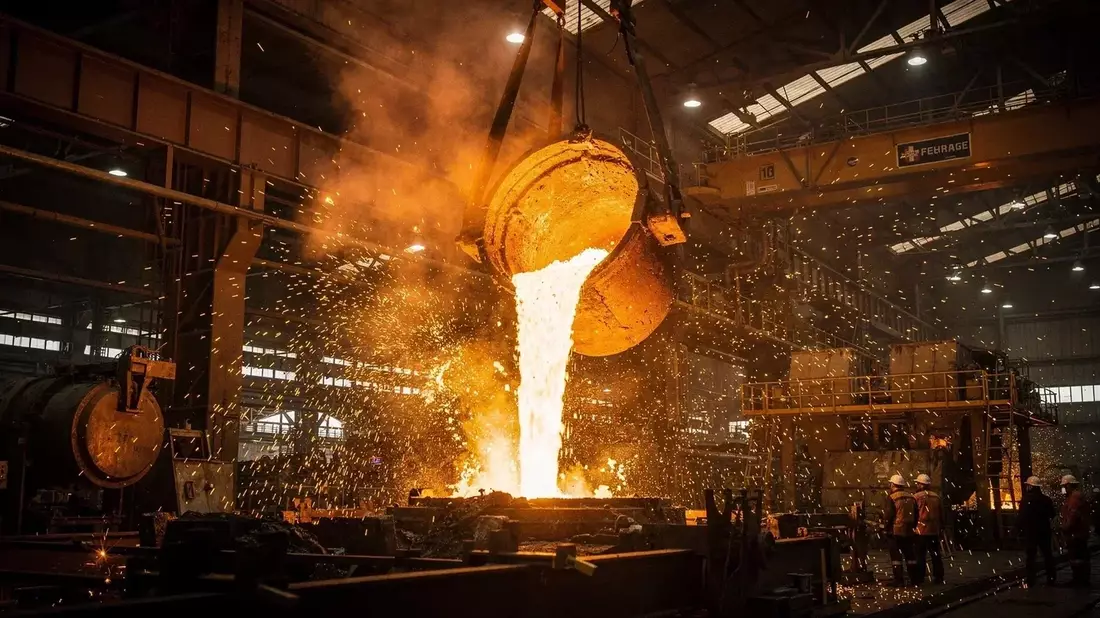
The industrial conglomerate is executing a high-wire act that pits a record naval contract against the most aggressive restructuring in its modern history. Shareholders will have the final say on the next big piece of the puzzle when they convene for an extraordinary general meeting on 7 August 2026 to vote on the spin-off of the materials division, tk accelis.
The defence windfall landed first. Berlin pulled the plug on the fraught F126 frigate programme — originally budgeted at around €10 billion but projected to balloon past €18 billion — after already sinking €2.3 billion into it. In its place, the federal government ordered eight MEKO A-200 DEU frigates from Thyssenkrupp Marine Systems, worth a combined €11.6 billion. Four ships, valued at roughly €6.3 billion, are firm orders; the remaining four, worth about €5.3 billion, are optional. TKMS chief Oliver Burkhard confirmed preparatory work has been running since February, with the first delivery pencilled in for 2029.
That naval bonanza has given the stock a lift. The shares closed at €10.76 on the day of the announcement, a level nearly 7% above the 200-day moving average of €10.02. Year-to-date the gain stands at roughly 11%. The primary article quotes a more recent price of €10.82, bringing the year-to-date advance to almost 12%, with a neutral RSI suggesting the rally is not overbought. Goldman Sachs, meanwhile, nudged its stake in the company to 5.22% as of 19 June, from 5.18% previously.
Should investors sell immediately? Or is it worth buying Thyssenkrupp?
Yet the flurry of activity around Marine Systems is only half the story. Chief executive Miguel López is pressing ahead with the plan to turn Thyssenkrupp into a lean holding company, following the earlier separations of nucera and Marine Systems itself into independent entities. The supervisory board has already recommended the decoupling of tk accelis, and the formal invitations for the August shareholder meeting are expected to land this week. López aims to list the materials business on the Frankfurt Stock Exchange before the end of the year.
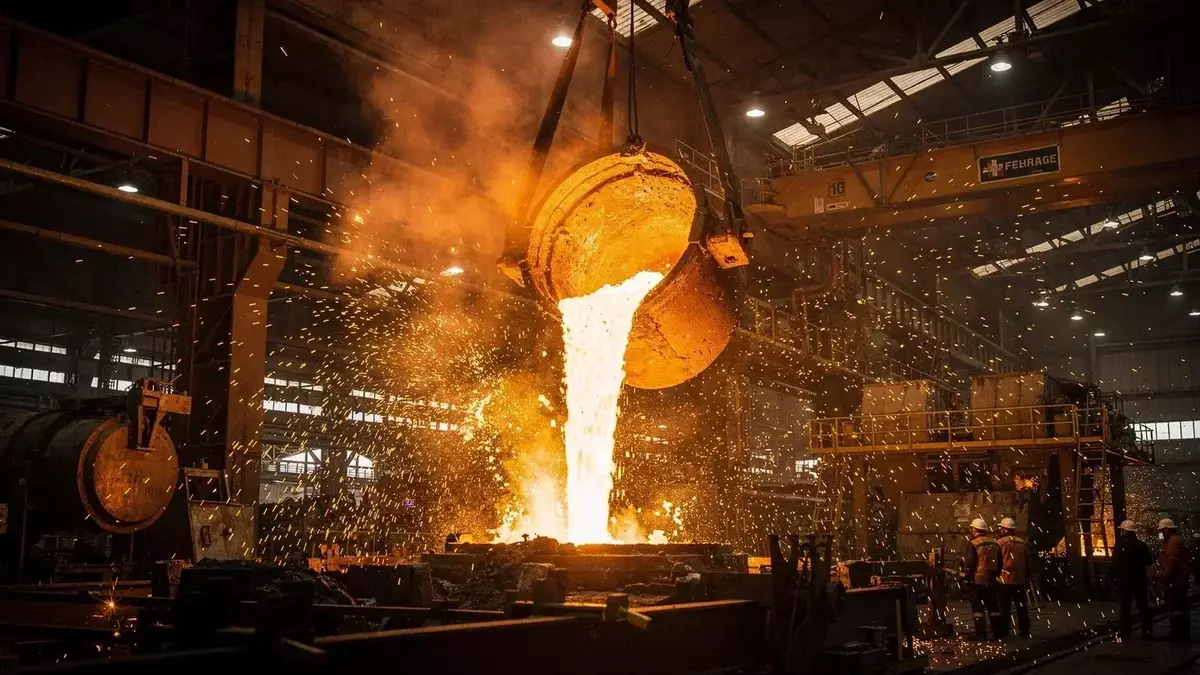
The steel division, however, remains a drag. From mid-2026, new EU safeguard measures will tighten import quotas on steel to 18.3 million tonnes a year and impose a 50% tariff once that ceiling is breached — up from 25% under the current rules. The European Council is expected to give final approval this week. While this shield should curb cheap Asian imports and support pricing, Thyssenkrupp is still taking precautionary action. The Isbergues electrical steel plant in France will be mothballed over the summer, a temporary response to swollen inventories and margin pressure.
Labour relations add another layer of complexity. The IG Metall union has terminated the collective wage agreements for the north-west German steel industry, and concrete demands are anticipated in September. How the company balances the booming naval order book — including potential future contracts, such as the mooted six-submarine deal in India that Chancellor Merz has been promoting on state visits — against the rising cost of steel transformation will be the next test for management.
For now, the market is giving Thyssenkrupp the benefit of the doubt. The stock sits comfortably above its long-term trend line, and the political tailwinds from both defence and trade policy are hard to ignore. The decisive moment comes on 7 August, when shareholders decide whether to endorse the biggest portfolio cut yet.
Ad
Thyssenkrupp Stock: New Analysis - 25 June
Fresh Thyssenkrupp information released. What's the impact for investors? Our latest independent report examines recent figures and market trends.