
TransDigm Group stock trades near record levels as defense and aftermarket growth underpin earnings momentum
Published on 07/17/2026 at 20:41 | Editorial responsibility: Rafael Müller, Editor-in-Chief AD HOC NEWS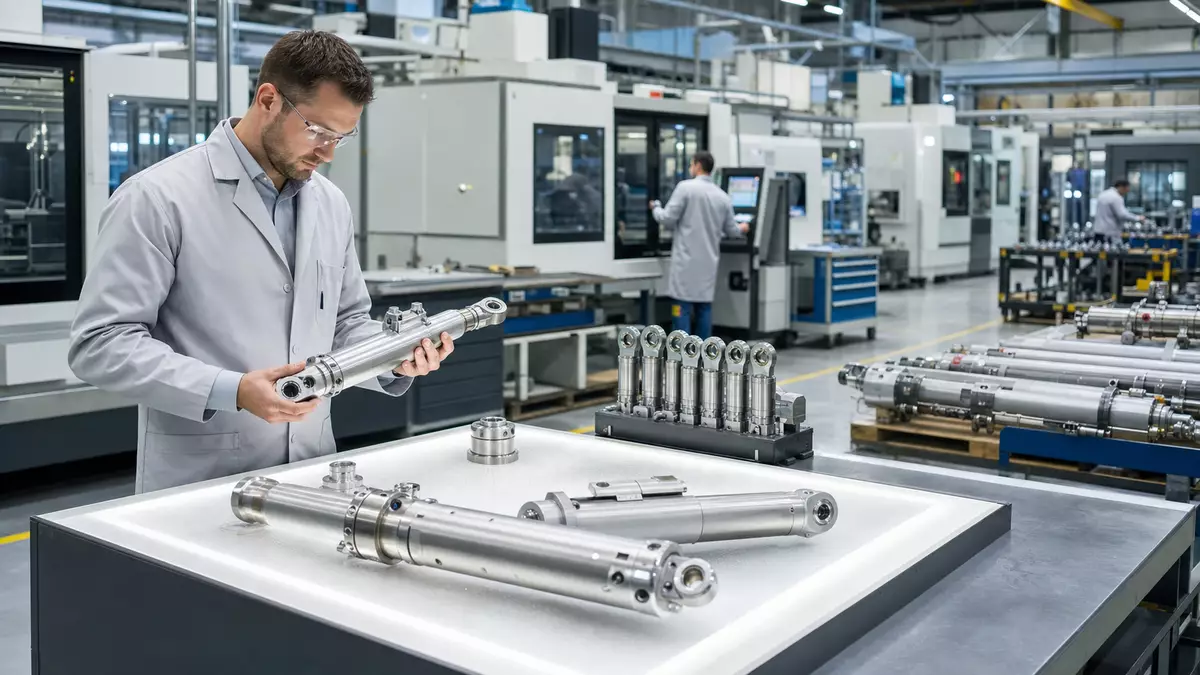
TransDigm Group stock has been supported by solid financial performance, with the Cleveland based aerospace components specialist (ISIN US8923561055) delivering double digit growth in key earnings metrics in recent reporting periods. The company’s shares have traded close to their historical highs on the New York Stock Exchange in recent months, reflecting resilient demand for proprietary aircraft parts and a strong backlog across commercial and defense markets. For investors, the combination of high margin aftermarket revenue and disciplined capital allocation remains central to the TransDigm narrative.
Revenue up double digits in recent fiscal year
TransDigm Group Inc. is known for its portfolio of mission critical aerospace components, including actuators, valves, pumps, ignition systems, and cockpit security equipment sold predominantly into the global commercial and military aviation markets. Over its latest reported fiscal year, the company’s revenue increased strongly compared with the prior year, driven by both higher commercial air traffic and sustained defense spending. This revenue expansion has been accompanied by healthy pricing and mix effects as TransDigm focuses on proprietary products where it is often the sole supplier or one of a small number of qualified sources.
The company has historically reported that its revenue base is weighted toward aftermarket sales, where parts are sold to airlines, maintenance, repair and overhaul providers, and defense customers for installed fleets rather than for new aircraft production. This aftermarket orientation typically supports higher margins and more predictable cash flows than original equipment sales, because operators must replace parts on a recurring basis to maintain airworthiness and mission readiness. In the most recent reporting periods, aftermarket revenue has represented a substantial proportion of total sales, underlining the importance of recurring demand for TransDigm’s financial profile.
On the earnings side, TransDigm has delivered solid growth in EBITDA and operating income, reflecting both revenue expansion and cost discipline. The company’s business model emphasizes high EBITDA margins, often significantly above broader aerospace industry averages, due to its focus on proprietary, hard to replace components with strong intellectual property protection. Over time, this margin structure has allowed TransDigm to generate robust free cash flow, supporting debt reduction, share repurchases, and selective acquisitions to broaden its product portfolio.
High margin profile and leveraged capital structure
A key element of TransDigm’s financial strategy is its leveraged capital structure, underpinned by substantial debt that is serviced by high margin cash flows from its proprietary products. The company has used debt financed acquisitions extensively to build its portfolio of aerospace components businesses, and then applied its pricing and cost management disciplines to improve profitability at acquired units. This strategy has produced strong returns on invested capital over the long term, but it also means that debt levels and interest coverage are important metrics for investors to monitor.
TransDigm has traditionally targeted EBITDA margins at levels that comfortably support its interest expense and provide capacity for discretionary capital allocation. In recent fiscal periods, the company’s EBITDA has grown at a double digit rate, reflecting both organic growth and contributions from acquisitions. At the same time, net leverage, measured as total debt to EBITDA, has trended down or remained within management’s preferred range, as rising earnings have decreased leverage ratios even in the presence of special dividends or share repurchases.
From a cash flow perspective, TransDigm’s asset light model and focus on high margin aftermarket parts have led to strong operating cash generation. Maintenance capital expenditure requirements have generally been modest compared with EBITDA, supporting a high conversion of earnings into free cash flow. This cash flow has enabled the company to fund acquisitions, pay down debt when appropriate, and return capital to shareholders through share buybacks and occasional special dividends, all while sustaining investment in product development and customer support.
Investors often compare TransDigm’s margin and growth profile with those of other aerospace suppliers, noting that its combination of high EBITDA margins and recurring aftermarket revenue is relatively unusual in the public aerospace components space. This differentiated profile helps explain why TransDigm Group stock has often traded at valuation multiples above many broader aerospace and defense peers, particularly during periods when air traffic and defense budgets are supportive of growth in replacement parts and systems.
TransDigm fundamentals and investor materials
For more detail on TransDigm’s revenue mix, margin profile, leverage, and capital allocation, investors can review company filings and investor presentations alongside additional coverage.
Aerospace components and aftermarket focus
TransDigm’s portfolio covers a broad range of aerospace components that are designed to be mission critical and difficult to substitute. These include mechanical and electromechanical actuators used in various aircraft control systems, engine and airframe related valves and pumps that manage the flow of fluids and gases, interior hardware such as seat motion devices, and specialized safety and security equipment installed on commercial and military aircraft. Many of these products are installed at original equipment manufacturers and then generate recurring aftermarket revenue over the life of the aircraft through replacement and overhaul cycles.
Because TransDigm often holds proprietary designs and approvals for these components, customers rely on the company’s parts to meet regulatory and performance requirements. This proprietary position means that TransDigm typically faces limited competition for specific part numbers, allowing it to price based on the value and reliability of its products rather than purely on commodity cost. Over time, this value based pricing strategy has supported strong margins and helped the company offset inflationary pressures in labor, materials, and logistics.
The aftermarket nature of much of TransDigm’s business also provides resilience during periods when new aircraft production is volatile. Even when airlines or defense organizations delay or reduce new equipment purchases, they must continue to maintain existing fleets. As a result, demand for replacement actuators, valves, pumps, and other components persists across cycles, especially for mission critical systems where safety and performance are paramount. Historical patterns in the aerospace industry have shown that aftermarket revenue can be more stable than original equipment sales, helping to smooth earnings and cash flow through economic cycles.
On the defense side, TransDigm supplies components for a wide array of military aircraft and related systems, often under long running programs with established fleets. Defense budgets in major markets such as the United States have typically allocated funds for maintenance and upgrades to existing platforms, supporting ongoing demand for TransDigm’s parts. This defense exposure provides an additional source of revenue diversification beyond commercial air travel, particularly during periods when civilian traffic is affected by macroeconomic conditions or other disruptions.
TransDigm Group stock and market context
TransDigm Group stock is listed on the New York Stock Exchange and forms part of the broader US aerospace and defense equity universe. Over recent years, the company’s shares have reflected both company specific performance and sector wide factors such as changes in air traffic volumes, airline profitability, defense budget trends, and interest rate developments that influence valuations of leveraged, cash generative businesses. Investors have frequently highlighted TransDigm’s capacity to raise prices, maintain margins, and generate free cash flow as reasons for the stock’s valuation premiums relative to many peers.
Historically, TransDigm’s share price has moved in response to quarterly earnings releases, updates on acquisitions, and changes in capital allocation such as special dividends or modifications to share repurchase programs. When the company reports revenue and EBITDA growth that exceeds market expectations, or demonstrates further improvement in margins and cash conversion, the stock has often reacted positively. Conversely, periods of heightened scrutiny around pricing for defense and commercial customers, or broader concerns about leverage levels in the high yield credit markets, have sometimes led to more cautious sentiment.
For long term holders, the key questions around TransDigm Group stock typically center on the sustainability of its high margin profile, the durability of its proprietary product positions, and management’s approach to balancing leverage, acquisitions, and shareholder returns. As the company continues to integrate acquisitions and invest in new product development, the pace of revenue and EBITDA growth, combined with movements in net leverage ratios, remains central to assessments of its equity story. In this context, the market’s view of TransDigm often hinges on detailed analysis of segment performance, pricing dynamics, and the health of the commercial and defense aircraft fleets that drive aftermarket demand.
Representative product line in actuators and valves
One representative segment of TransDigm’s business is its range of aircraft actuators and valves, which are essential for controlling the movement of various systems and managing fluid and air flows within an aircraft. These components are typically engineered for specific platforms and operating conditions, and must meet stringent reliability and regulatory standards. Once installed, they form part of the aircraft’s critical systems, meaning that replacement parts must match the original specifications and approvals, reinforcing TransDigm’s proprietary position.
In practice, an aircraft actuator produced by a TransDigm subsidiary might be installed on a particular wing flap system, landing gear mechanism, or engine related control assembly. Over the life of the aircraft, these actuators will be subject to wear and tear, requiring regular inspection, maintenance, and eventual replacement to ensure safe operation. Because airlines and maintenance providers rely on approved, high quality parts to meet both manufacturer requirements and regulatory standards, they typically source replacements from the original supplier or other approved vendors. TransDigm’s role as a primary supplier for many such components supports recurring aftermarket revenue.
Similarly, TransDigm’s valves and pumps manage critical flows of fuel, hydraulic fluid, and air, often in environments that involve high pressures, temperature variations, and strict safety requirements. These products must perform consistently over long service intervals and are subject to rigorous testing and certification. When parts reach the end of their service life or require replacement due to wear or damage, customers need reliable, compatible replacements to maintain fleet operations. This drives repeat business for TransDigm across a wide installed base of aircraft types.
Stock valuation and closing context
TransDigm Group stock’s valuation has in recent years reflected the market’s appreciation of its proprietary product portfolio, high margins, and robust free cash flow, balanced against considerations of leverage and cyclicality in aerospace demand. The company’s listing on the New York Stock Exchange provides liquidity and visibility among institutional and retail investors interested in aerospace and defense exposure. While share price levels evolve with earnings results, sector trends, and broader market conditions, TransDigm’s long term equity story remains closely tied to its ability to sustain high margin aftermarket revenues and manage its capital structure prudently.
TransDigm Group identity and market data
- Company: TransDigm Group Inc.
- ISIN: US8923561055
- Ticker: NYSE: TDG
- Trading venue: NYSE
- Sector / Industry: Industrials / Aerospace and Defense
- Index membership: S&P 500


