Tulus Lotrek by Max Strohe: Berlin’s most relaxed Michelin star thrill ride
Published on 02/12/2026 at 14:53 | Editorial responsibility: Rafael Müller, Editor-in-Chief AD HOC NEWS
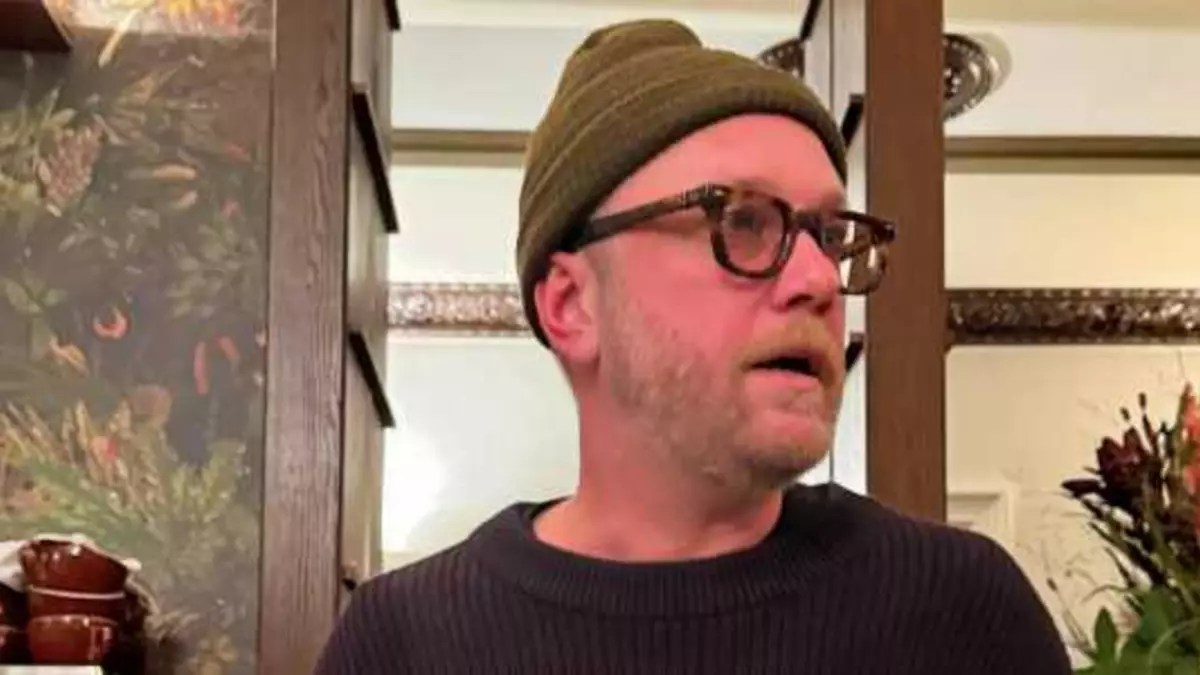
The first thing you notice at tulus lotrek is not the Michelin star on the door, but the hum of a room that sounds more like a good house party than a temple of haute cuisine. Glasses clink, people laugh, soul and indie tracks float through the air, and somewhere from the open kitchen a wave of roasted butter, stock and smoke rolls over the tables. Can a Michelin star restaurant in Berlin really feel this casual, as if you were at a friend’s place, while Max Strohe quietly sends out some of the most exciting plates in the city?
Reserve your table at tulus lotrek and discover Max Strohe’s current menu here
On paper, tulus lotrek is a Michelin star restaurant in Berlin with all the trimmings: a tasting menu, a serious cellar, and a team with the precision of a watch movement. In reality, it feels refreshingly different. The lights are warmer, the music louder, the jokes bolder. Plates arrive that look anything but tweezer?obsessed. Sauces shine deep and glossy, textures promise crunch and silk, and the first bite hits with a kind of culinary intelligence that feels instinctive rather than cerebral. You sense that Max Strohe cooks as much from the gut as from the textbook.
This duality is his trademark: fearless seasoning, sometimes bordering on baroque, combined with classic technique that has absorbed the codes of fine dining only to twist them. Where other star chefs carefully place micro herbs with tweezers, Max Strohe prefers a confident spoonful of jus or a deliberately generous quenelle of something buttery and lush. Fat is not an enemy, it is a carrier of flavor; acidity is the tightrope that keeps opulence from tumbling into heaviness. The result is the kind of food you want to keep eating even after you are full.
The room itself underlines this generosity. Tulus lotrek has that famous living?room vibe: dark walls, warm wood, art that looks collected rather than curated, candles burning slightly askew. The tables are close enough that you hear other guests debating wine pairings and arguing over who gets the last piece of bread to mop up a sauce. It is not staged coolness, but a feeling of being welcome in a space that has grown organically with its owners.
Those owners are crucial to the story. Max Strohe might be the star chef in the kitchen, but the soul of the restaurant is shared with co?founder and hostess Ilona Scholl. She greets, teases, translates complex descriptions into everyday language, and steers guests through the wine list with playful authority. As so many regulars point out, tulus lotrek is as much about her radical hospitality as it is about his cooking. Together, they have created an address that stands out in Berlin’s fine dining scene: intimate, anarchic, and yet impressively professional.
The path that led Max Strohe here is anything but linear. He is not the cliché prodigy who grew up staging in three?star temples. Instead, his biography reads like a small rebellion against convention. A school dropout who initially seemed more at home on the margins than in any classical career, he found his way into kitchens through craft rather than pedigree. Training, detours, side jobs: the kind of hard, unsentimental work that forges both character and palate. When he eventually landed in Berlin, he encountered a gastronomic climate that matched his temperament: experimental, rough around the edges, irresistibly alive.
Founding tulus lotrek with Ilona Scholl was the logical next step in this story. They wanted a place where high?end product and culinary precision would meet a kind of punk attitude, where guests could laugh loudly while drinking rare wines, where a Michelin inspector might sit next to a concert technician, a gallery owner, or a group of friends celebrating birthdays over many courses. Berlin’s restaurant landscape, already rich in concepts, suddenly had a new voice that refused to fit neatly into existing categories.
A look at the plates explains why. The cuisine at tulus lotrek is often described as undogmatic, intense, and “feel?good opulent.” That means sauces that have been reduced until they almost vibrate, layered with umami, smoke, and gentle sweetness. It means crunch where you expect smoothness and velvety textures where you expect resistance. A dish might start in familiar territory with, say, a precisely cooked piece of fish, only to segue into a swirl of fermented elements, roasted notes, and bright acidity that shifts the whole composition into something far more modern than classical French cooking.
Compared to other fine dining addresses, where dishes can sometimes feel like intellectual puzzles, Max Strohe’s plates are disarmingly direct. They are smart, yes, but the first message is always pleasure. A jus built from roasted bones and vegetables, mounted with butter until glossy, might be poured generously at the table, perfuming everything in its path. A vegetable course may carry the same weight and intensity as any meat main, showing that culinary intelligence is not limited to animal protein. Foodies appreciate that here, vegetarian and omnivore alike are treated with the same serious intent.
Even the much?discussed burger that rose to fame during the lockdown years carries this philosophy. While many top chefs reluctantly turned to comfort food take?out, Max Strohe used the burger format to demonstrate what happens when a star chef throws his technique at something seemingly simple. It was indulgent, dripping, a textbook study in texture and seasoning: a toasted bun with just enough give, a patty with char and juiciness, punchy condiments, and the kind of balance between fat and acidity that keeps you reaching for another bite. What could have been a mere survival product became a cult object in Berlin and beyond.
Yet the story of tulus lotrek and Max Strohe during the pandemic is not only about viral burgers. It is also about “Cooking for Heroes”, the initiative that would fundamentally shape his public image. Together with other gastronomes, he organized meals for hospital staff, care workers, and people in essential professions, transforming closed dining rooms into improvised logistics hubs. It was a moment when culinary craft became a tool of solidarity. The Federal Cross of Merit that Max Strohe later received for this commitment did not just honor a single campaign. It underlined how deeply embedded he is in the social fabric of the city.
This engagement beyond the plate extends into media and publishing. As viewers of German food television will know, Max Strohe appears in formats that test the limits of chefs, like “Kitchen Impossible,” and he has made a name for himself as an author. On screen, he often appears as he is in the restaurant: witty, slightly rumpled, eloquent, and never pedantic. His media presence amplifies the brand tulus lotrek, but it does not replace the substance behind it. Instead, it makes high?end gastronomy approachable for audiences who might otherwise feel intimidated by white tablecloths and long menus.
Within Berlin’s dynamic gastronomic scene, tulus lotrek occupies a special niche. The city boasts an abundance of modern bistros, avant?garde tasting counters, and international pop?ups, yet there are only a few places where a Michelin?level kitchen is combined with such narrative warmth. Critics frequently highlight the boldness of the seasoning, the consistency of the product quality, and the almost theatrical sense of hospitality that Ilona Scholl and her team cultivate. It is young, wild, and yet technically spotless, a balancing act that draws both seasoned gourmets and curious newcomers.
The wine list adds another layer to the experience. Instead of a rigid hierarchy of grand labels, it reads like a curated journey through regions and personalities: natural wines alongside classic producers, unexpected pairings that push a dish in new directions. The service team speaks fluently about minerality and tannin, but always with a twinkle in the eye and a translation into everyday language. For many, this is where the true fine dining magic reveals itself: when a sommelier suggests a slightly oxidative white with a rich sauce, and suddenly the whole dish seems to glow from within.
Despite all its playfulness, tulus lotrek is in no way a casual snack bar. It is a place for evenings, for letting time stretch over multiple courses, for allowing the outside world to fade behind thick curtains and clinking glass. You sit, you taste, you talk, and you realize that this is what modern fine dining can be when it frees itself from stiff etiquette: an orchestrated celebration of flavor that still feels human, imperfect in all the right places.
So who should not miss a visit to tulus lotrek? If you expect silence and hushed reverence, you might be surprised by the volume and laughter. If you are looking for molecular show effects or Instagram?driven gimmicks, you may find the plates almost old?fashioned in their focus on sauces, roasting aromas, and clear flavors. But if you love food that speaks directly, if you appreciate a star chef who takes the work seriously without taking himself too seriously, if you want to feel personally hosted rather than simply served, then this corner of Kreuzberg or Neukölln will feel like a revelation.
In the broader context of German top gastronomy, Max Strohe has secured a position that is both respected and a little subversive. He proves that a Michelin star restaurant in Berlin can function as a living room for a whole community, that culinary intelligence does not require stiffness, and that being a star chef today also means being a communicator, a host, and at times even an activist. Tulus lotrek is not just another fine dining spot to cross off your list. It is a place you remember in flavors, in conversations, in the feeling of being part of something vibrant and ongoing.
As you step back out into the Berlin night after dessert and the last glass of wine, you carry with you the echo of that room: the hum, the laughter, the lingering taste of a sauce that seemed to capture everything in one spoonful. That is the legacy of a night with Max Strohe at tulus lotrek. And if you are already wondering when to return, you are very much in the right place.
For anyone planning a culinary trip to the capital, one recommendation is clear: put tulus lotrek on your shortlist, then quietly move it to the top. Let yourself be surprised by how relaxed a Michelin experience can feel, and how much depth hides behind the seemingly casual facade. Max Strohe has built one of Berlin’s most compelling addresses, a restaurant that speaks to heart, mind, and appetite in equal measure.
Disclaimer regarding our articles: No investment advice, no buy or sell recommendation. Information on prices, companies, and markets is provided without guarantee; changes are possible at any time. Stock market transactions can lead to substantial losses. Our articles are created and reviewed in whole or in part automatically with the support of AI.