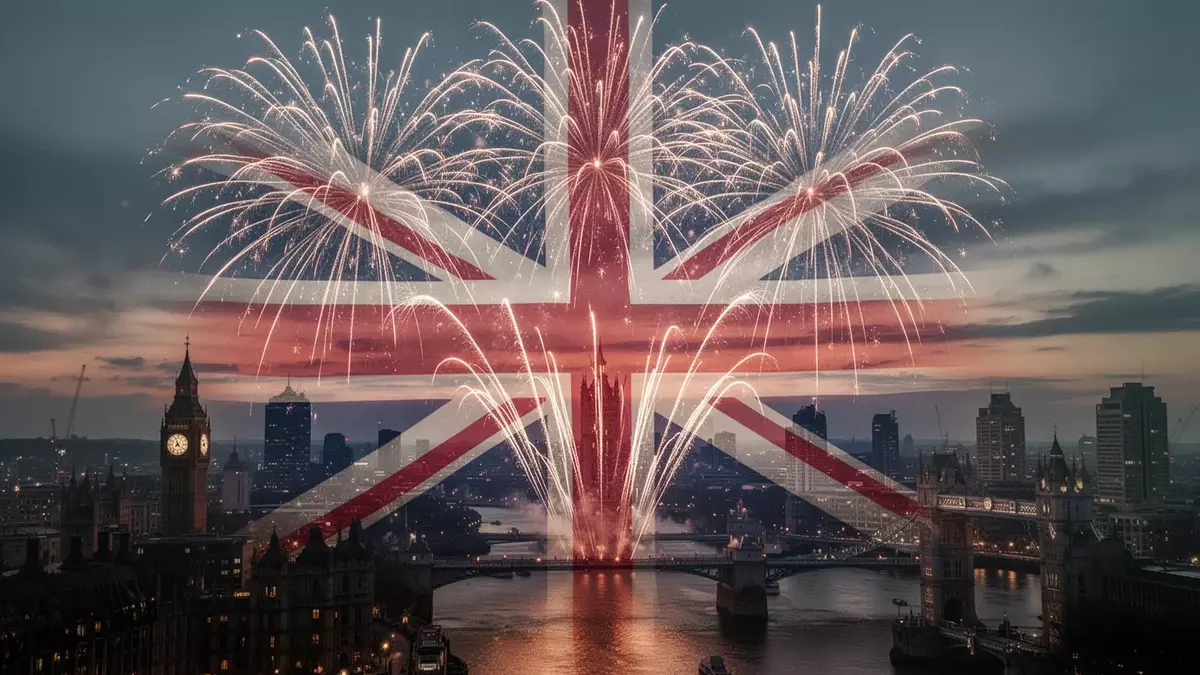
UK Government Launches Major Review of Fireworks Laws Amid Safety Concerns
Veröffentlicht: 16.07.2026 um 03:28 Uhr, Redaktion boerse-global.de
The UK government has opened a formal consultation on sweeping reforms to fireworks and pyrotechnics regulations, in a move that could see the loudest consumer fireworks banned from private use. Launched on July 15, the proposals are designed to improve public safety and reduce the distress caused by high-decibel pyrotechnics to vulnerable groups — including children, veterans, and animals.
Proposed Changes to Fireworks Rules
The consultation focuses on several key measures, chief among them a proposal to restrict the loudest fireworks exclusively to professional displays. Authorities are also considering bans on specific types of pyrotechnics and a comprehensive review of regulations covering lower-risk items. The scope of the proposals is intended to apply across the whole of the United Kingdom.
Minister Kate Dearden said the move addresses long-standing concerns about the impact of private fireworks on pets, veterans, and children. The government also noted that the noise and unpredictability of consumer fireworks often contribute to anti-social behaviour. Organisations including the Dogs Trust, Redwings, and Combat Stress have backed the initiative, following years of campaigning for tighter controls.
As the government takes steps to limit firework noise, business owners should also consider the fire safety risks that come with seasonal activities and workplace operations. A free Fire Safety Toolkit provides a complete set of documents, including risk assessment templates, evacuation plans, and extinguisher training materials, to help UK employers meet their legal duties and protect employees and property. Download the free Fire Safety Toolkit
The public, businesses, and other organisations are invited to submit their views by email or post. Professional displays are expected to remain unaffected by any new noise restrictions.
Enforcement and Safety Incidents
The regulatory review comes amid heightened scrutiny of fireworks safety and public order. Earlier this month, on July 9, Pembrokeshire County Council revoked the licence for the Tenby Summer Spectacular over concerns about crowd control, emergency access, and child protection. The organisers, Tenby Round Table, disagreed with the council's assessment, but the event was cancelled for 2026.
Legal enforcement continues to target the illegal production of explosives. At Edinburgh Sheriff Court on July 15, Joseph Black, a 29-year-old from Musselburgh, pleaded guilty to offences under the Explosives Act 1883. Police found materials including potassium nitrate, sulphur, charcoal, and fuses at his home. Black claimed he was making homemade fireworks, and authorities found no links to extremist activity.
The case highlights how easily hazardous materials can end up in the wrong hands. For workplace environments where dangerous substances are handled, a thorough risk assessment is critical. The free Risk Assessment Toolkit provides 41 ready?to?use templates and checklists covering everything from fire protection to lone working, helping UK businesses document risks properly and stay compliant. Download the free Risk Assessment Toolkit
In Northern Ireland, emergency services reported significant pressure during recent seasonal activities. Between July 11 and July 12, the Northern Ireland Fire and Rescue Service responded to 303 calls and 151 incidents — approximately 54 of which were related to bonfires. In Cookstown, firefighters were forced to retreat after encountering a hostile crowd, while in Greenisland, a fire destroyed two homes and damaged others.
Licensing Reforms for the Music Industry
Alongside the fireworks consultation, the government is moving to support the wider events and music sector through the "Turn It Up" plan, also launched on July 15. The package includes licensing reforms that increase the number of temporary event notices permitted per venue from 15 to 20 annually.
The reform also raises total event days allowed per venue from 21 to 26. Under the new guidelines, established events will be eligible for minimum five-year licences, while new events will benefit from a three-year presumption. Live music venues are scheduled to receive a 15% business rates reduction for the 2026/27 period as part of a wider growth package for the industry.
Disclaimer zu unseren Artikeln: Keine Anlageberatung, keine Kauf oder Verkaufsempfehlung. Angaben zu Kursen, Unternehmen und Märkten ohne Gewähr; Änderungen jederzeit möglich. Börsengeschäfte können zu hohen Verlusten führen. Unsere Beiträge werden ganz oder teilweise automatisiert mit Unterstützung von AI erstellt und geprüft.