UK Overhauls Housing Safety Ratings in Major Rental Sector Reform
Published on 07/21/2026 at 11:47 | Redaktion boerse-global.de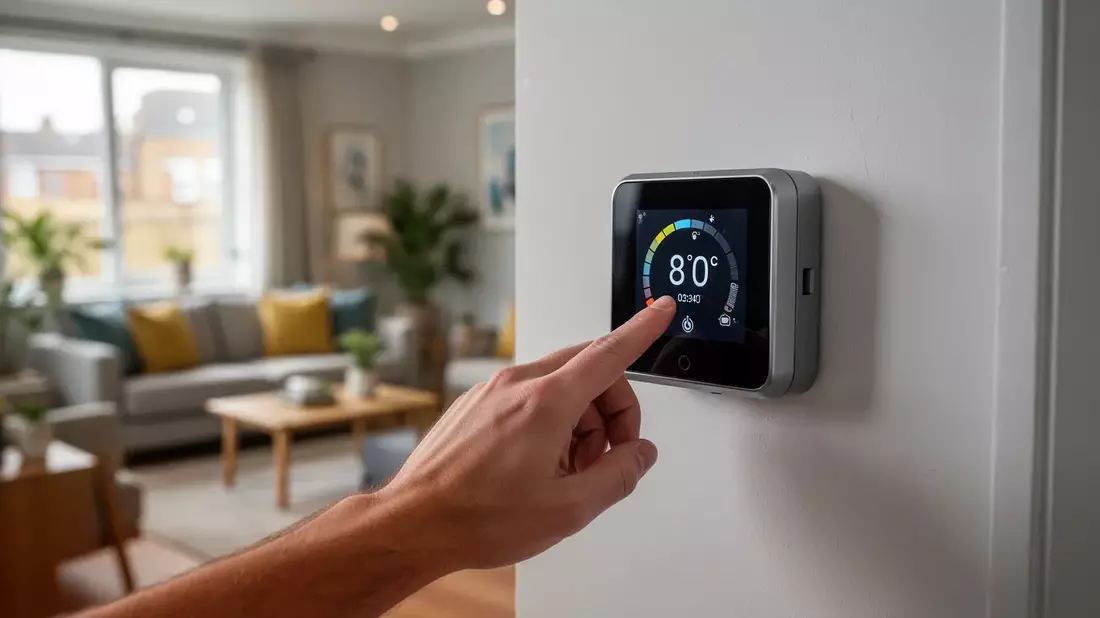
The UK government has implemented a significant overhaul of the Housing Health and Safety Rating System (HHSRS), streamlining how local authorities and landlords assess property conditions. The update, which took effect on June 23, 2026, reduces the list of potential hazards from 29 to 21 and introduces simplified rating categories designed to bring greater clarity to the rental sector.
Streamlined Assessments and Clearer Standards
The updated HHSRS framework now categorises hazards into two primary levels: Category 1 (high risk) and Category 2 (low risk), replacing more complex previous grading systems. The reform also introduces baseline indicators to provide landlords with objective maintenance standards.
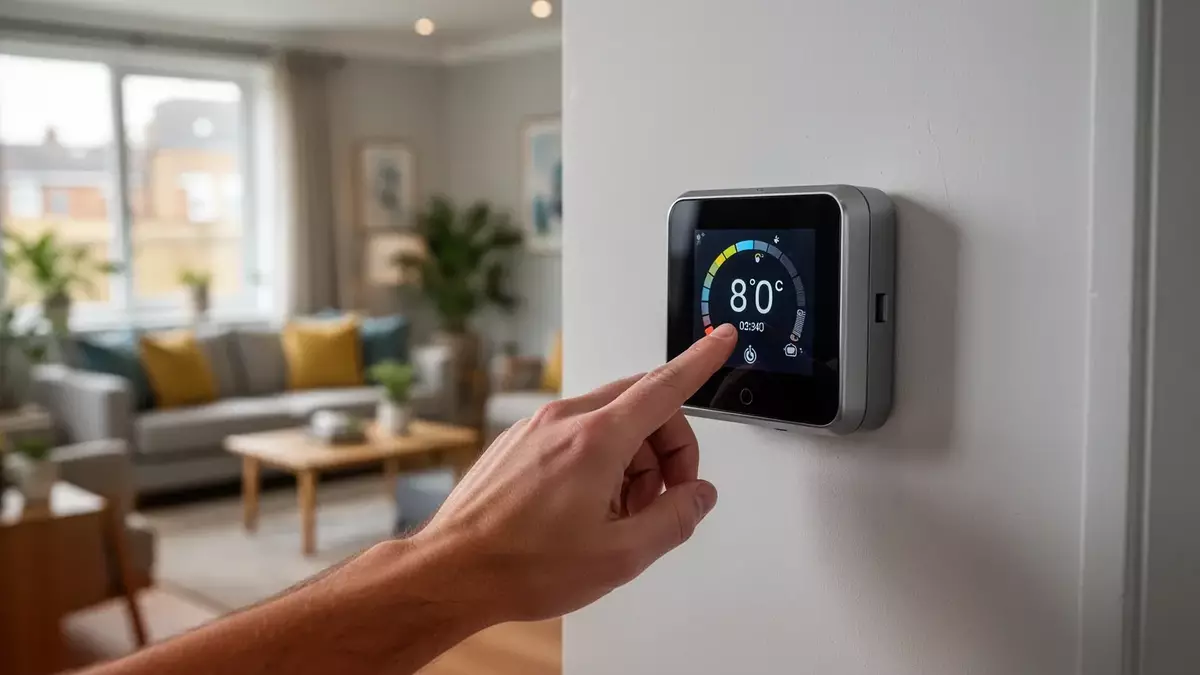
Under the new requirements, rental properties must maintain a temperature of 21°C in living rooms and 18°C in other rooms when the external temperature is -1°C. Dampness is now classified as a deficiency if it covers more than 5% of a surface. Safety specifications have been tightened, requiring handrails on all stairs with four or more steps and window restrictors that limit openings to 100mm or less — though these must be overridable for fire escape purposes. Hot water systems must now maintain 60°C at the tank but must not exceed 45°C at the tap to prevent scalding.
Heavy Fines for Non-Compliance
The regulatory changes coincide with a period of active enforcement against landlords failing to meet safety standards. On July 16, 2026, Prestleigh Inn B&B Limited was ordered to pay a total of £33,700 in fines and costs following fire safety failures. The defects included the absence of a fire risk assessment, a faulty alarm system with multiple recorded faults, and defective fire doors.
In a separate case, landlord Walter Collins was fined a total of £11,251.93 during a trial on July 9, 2026. The fine followed a failure to comply with an improvement notice for a property in Ryde. Inspections had identified Category 1 fire hazards alongside damp, mould, and structural deficiencies. Local authorities have indicated they will continue to monitor the property to ensure future compliance with the revised HHSRS standards.
Political Shifts and New Safety Regulations
The rental sector is also navigating broader political and regulatory changes. On July 20, 2026, Steve Reed resigned as Housing Secretary during a government reshuffle. During his tenure, Reed oversaw the introduction of several planning reforms and the Commonhold and Leasehold Reform Bill.
On the same day, Building Safety Minister Samantha Dixon and Economic Secretary Rachel Blake announced an extension of the government's cladding safety scheme. The programme now includes buildings under 11 metres in height, with the Building Safety Regulator set to issue new assessment certificates. The government also confirmed plans for a new single construction regulator to oversee safety standards across the industry.
Councils Push for Tighter HMO Controls
Several local councils are moving to implement stricter controls on Houses in Multiple Occupation (HMOs). Ealing Council launched a consultation on July 15, 2026, to extend its HMO licensing scheme until 2032. The move follows inspections that uncovered nearly 4,900 hazards across 900 properties over the last two years, with approximately two-thirds of inspected HMOs containing at least one hazard. The consultation period is scheduled to run through September 24, 2026.
In Cambridge, the City Council is considering an Article Four direction that would require full planning permission for all HMOs, regardless of size. A formal report on this proposal is expected to be presented to the cabinet in autumn 2026. These local initiatives reflect a growing trend of municipal intervention to address substandard living conditions and anti-social behaviour linked to high-density rental housing.
Disclaimer regarding our articles: No investment advice, no buy or sell recommendation. Information on prices, companies, and markets is provided without guarantee; changes are possible at any time. Stock market transactions can lead to substantial losses. Our articles are created and reviewed in whole or in part automatically with the support of AI.