University Ordered to Pay for Ex-Lab Worker’s Hearing Aids After Noise Exposure Ruling
Published on 07/17/2026 at 23:18 | Redaktion boerse-global.de
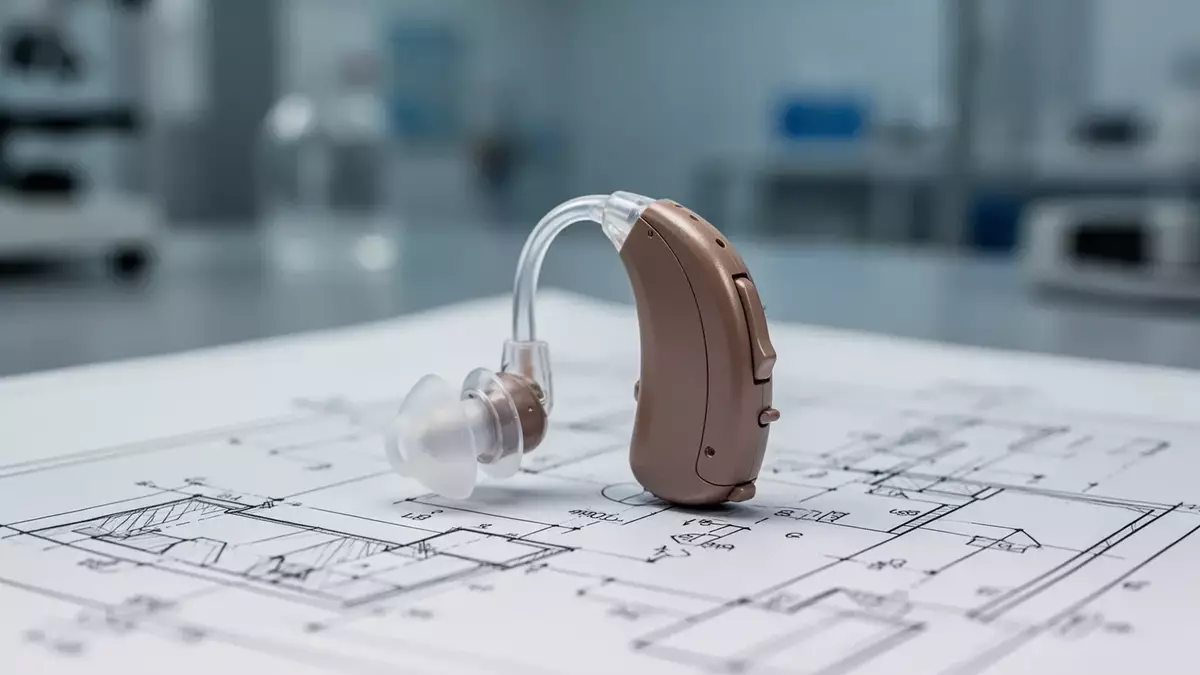
The University of New South Wales (UNSW) has been ordered to cover the cost of hearing aids for a former laboratory assistant, after failing to overturn a finding that the institution was responsible for the worker’s noise-induced hearing loss. The Personal Injury Commission of New South Wales dismissed the university’s appeal on July 7, 2026, confirming that UNSW was the worker’s last employer to provide a noisy environment — a decision with clear implications for UK employers’ obligations under the Control of Noise at Work Regulations 2005.
The former employee worked as a laboratory assistant in a solar-research facility between 2014 and 2020. The commission found that the university did not provide a pre-employment audiogram or hearing protection for the staff member. The estimated cost of the required hearing aids is approximately $5,952.60.
The UNSW case shows how a missing noise risk assessment can leave employers liable for compensation years later. A free toolkit with 41 ready-to-use templates helps you document workplace hazards properly — including noise exposure checklists and hearing protection assessments. Don’t leave your business exposed. Download the free Risk Assessment Toolkit
Internal Report Contradicted University’s Defence
Evidence presented during the proceedings revealed that the university’s own internal documentation contradicted its later legal position. An acoustic report conducted by UNSW in 2014 identified noise levels within the facility that could pose a risk to certain individuals. Despite this internal assessment, the university’s legal team argued against the noise-exposure findings during the appeal process.
The commission noted that the university failed to provide adequate protective measures during the worker’s six-year tenure. The ruling aligns with established occupational health standards, which emphasise that repeated exposure to hazardous noise can cause permanent threshold shifts and damage to hair cells in the inner ear.
Construction Death Highlights Communication Risks
The impact of workplace noise has also drawn attention in the construction sector following significant enforcement action in Canada. WorkSafeBC issued a fine of $11,613 to Mounce Construction after an incident in July 2025 resulted in a worker’s death.
Investigators found that the employee was crushed by an excavator boom while in a dump truck bed. The accident was attributed in part to communication difficulties caused by high noise levels on site. WorkSafeBC noted that the company had failed to implement an effective safety programme and that unsafe practices had become normalised within the organisation.
Medical experts note that hazardous noise exposure not only causes physical damage but can lead to “hidden hearing loss” or synaptopathy — a condition that impairs an individual’s ability to understand speech in noisy environments, significantly increasing accident risk in industrial and construction settings.
Hearing Aid Market in Flux
As regulators increase pressure on employers to manage noise, the hearing aid market is undergoing significant change. LXE Hearing, the entity formed 15 months ago through a $100 million merger, is winding down its US operations for several brands, including Eargo and Lexie.
The company has informed customers that support, warranty services and app access will only be guaranteed through September 15, 2026. While products were launched as recently as May 2026, there is currently no long-term plan for replacement parts or digital support after the September deadline.
The construction death in Canada is a stark reminder that safety programmes must be documented and effective. A comprehensive Health & Safety Toolkit gives you ready-to-use risk assessments, checklists and toolbox talks to meet UK regulations and prevent similar tragedies. Get the free Health & Safety Toolkit
Brain Research Points to Smarter Hearing Aids
Parallel to these market shifts, new research is exploring how the brain processes sound in complex environments. A study from Trinity College Dublin, published on July 16, 2026, in PLOS Biology, used EEG measurements to determine that the human brain can track two conversations simultaneously within a one-to-two-second overlap window.
The researchers suggested that while this ability varies between individuals, the findings could eventually inform the development of smart hearing aids designed to manage multiple audio streams in high-noise workplaces. Such advancements are increasingly sought by providers handling high patient volumes, who require efficient, instant-fit solutions that do not compromise user comfort or clinical outcomes.
Disclaimer regarding our articles: No investment advice, no buy or sell recommendation. Information on prices, companies, and markets is provided without guarantee; changes are possible at any time. Stock market transactions can lead to substantial losses. Our articles are created and reviewed in whole or in part automatically with the support of AI.