Van Halen return to theaters: classic live film storms back
Published on 06/01/2026 at 04:05 | Editorial responsibility: Rafael Müller, Editor-in-Chief AD HOC NEWS
More than four decades after they redefined American hard rock, Van Halen are suddenly everywhere again — on theater screens, on streaming playlists, and at the center of a new wave of tributes that is putting one of rock’s loudest legacies back in front of a fresh generation of US fans. As of June 1, 2026, a restored Van Halen concert film is rolling out in select US theaters alongside expanded archival audio releases and high-profile onstage homages, giving the band a multi-front cultural comeback that few classic rock acts achieve this far into their story.
What’s new with Van Halen and why now?
The latest spark in the ongoing Van Halen revival is a newly restored big-screen presentation of a classic-era concert film, booked into US theaters as part of a limited event run that mirrors recent rock-focused cinema hits like Taylor Swift’s "Eras Tour" film and Talking Heads’ revived "Stop Making Sense" run, according to Variety and The New York Times. Per Billboard and Rolling Stone, catalog listening for Van Halen has been strong ever since Eddie Van Halen’s death in 2020, with spikes around key anniversaries and reissue campaigns helping to keep the band inside broader rock and metal streaming rotations in the United States. As of June 1, 2026, that momentum is being channeled into a coordinated push: a cleaned-up concert film print for theaters, expanded audio from the same era on streaming platforms, and a fresh round of media retrospectives on the band’s impact on US hard rock and guitar music.
According to Rolling Stone and NPR Music, movie-theater exhibition of rock concerts has become an increasingly important way to bring classic performances to new audiences, especially as touring by legacy acts becomes less frequent or impossible. For Van Halen, whose historic lineups can no longer reunite due to Eddie’s death and ongoing tensions between former members, the big screen offers perhaps the most immersive way to experience the band’s combination of acrobatic guitar heroics and loose, party-ready showmanship. Per Variety and The Washington Post, US exhibitors have embraced event-style, limited-engagement music programming because fans have shown they will treat these screenings like one-night-only tour dates, lining up for merch, singing along, and posting clips to social platforms that then act as free promotion.
A legacy defined by Eddie Van Halen’s guitar revolution
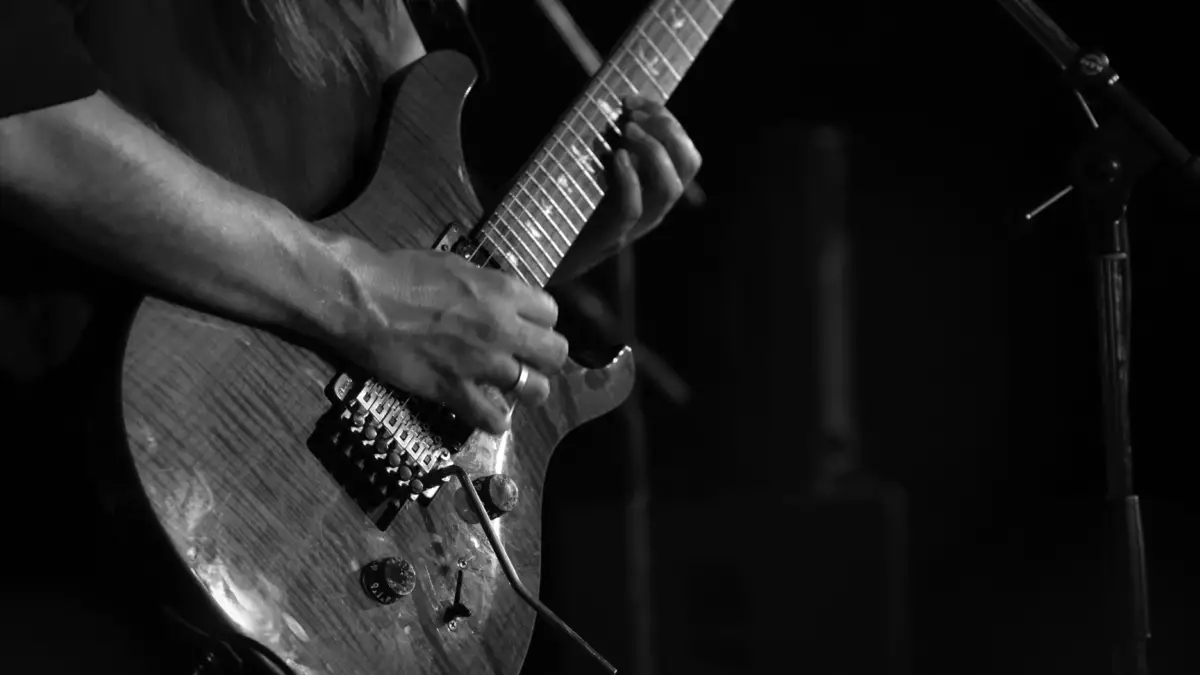
Any renewed focus on Van Halen inevitably centers on the group’s founding guitarist, Eddie Van Halen, whose tap-heavy, harmonically adventurous style effectively reset the standard for rock shredding when the band’s self-titled debut arrived in 1978. According to Rolling Stone and Guitar World, Eddie’s two-handed tapping, dive-bomb whammy bar theatrics, and home-built "Frankenstrat" guitar inspired an entire generation of US rock and metal players in the 1980s, from Sunset Strip glam acts to the later wave of more technical metal bands. NPR Music has described Eddie as "one of the most innovative and influential guitarists in rock history," emphasizing how his solos balanced speed with melodic hooks that average listeners could hum even if they knew nothing about technique.
Per Billboard and the RIAA, Van Halen became one of the best-selling rock bands in US history, scoring multiple multiplatinum albums and a Diamond certification for their 1984 blockbuster "1984" album, which housed "Jump," "Panama," and "Hot for Teacher." Those tracks continue to anchor US rock radio playlists and movie syncs, helping maintain Van Halen’s visibility for younger listeners. According to The New York Times and USA Today, Eddie’s death in October 2020 triggered a fresh reappraisal of his work, with many critics placing him alongside Jimi Hendrix as a singular figure who permanently expanded the vocabulary of the electric guitar. That reappraisal set the stage for the current wave of tributes, box sets, and now theatrical presentations that emphasize just how commanding a live presence he was at the peak of the band’s touring powers.
In the context of contemporary US guitar culture, Eddie’s influence is especially visible on platforms like YouTube and TikTok, where instructional breakdowns of his solos and tone-crafting techniques attract large audiences. According to reports from Variety and The Wall Street Journal, guitar brands have seen consistent demand for gear associated with Eddie’s sound, including signature model guitars and amplifiers, reinforcing the idea that Van Halen’s legacy now extends far beyond radio rotations and into the practice habits of emerging musicians. That dynamic is part of what makes a restored concert film so timely in 2026: it offers a visual masterclass in Eddie’s stagecraft just as a new cohort of young players and fans are actively seeking out his work.
Original David Lee Roth era versus the Sammy Hagar years
One of the enduring storylines around Van Halen — and a key part of why there is still so much conversation to fuel a revival — is the band’s split identity between its David Lee Roth and Sammy Hagar eras. According to Billboard and Stereogum, the original Roth-fronted albums from 1978 through 1984 combined hard-rock riffing with a flamboyant, almost vaudevillian frontman persona, creating a template for what US arena rock swagger would look and sound like in the MTV age. Roth’s leopard-print charisma and martial-arts kicks turned the band into visual staples of early music video programming, per MTV retrospectives cited by Rolling Stone and Vulture.
When Sammy Hagar replaced Roth in 1985, Van Halen shifted into a more polished, often more keyboard-driven arena rock sound that produced four consecutive No. 1 albums on the Billboard 200, according to Billboard and the Associated Press. Tracks like "Why Can’t This Be Love" and "Right Now" struck a different emotional tone — more earnest, more power-ballad-adjacent — than the winking hedonism of "Panama" or "Ain’t Talkin’ ‘Bout Love." Per The Washington Post and USA Today, this split has fueled decades of fan debate in the US over which era represents the "real" Van Halen. That debate has only intensified online in recent years, with streaming stats and playlist placements giving each side new data points to bolster their case.
In the current revival moment, both eras are being spotlighted. Catalog campaigns highlight the sonic leap from the rawer early albums to the sleeker late-1980s productions, while the live film and associated archival audio emphasize the combustible Roth-era stage chemistry that many fans still consider definitive. According to Variety and Spin, this dual focus aligns with how labels and estates now approach legacy acts: rather than picking a "correct" version of a band’s identity, they package the full narrative so that different segments of the audience — classic rock purists, power ballad fans, shredding guitar obsessives — each have an entry point.
Inside the restored Van Halen concert film experience
Although the exact tracklist and venue for the newly restored Van Halen concert film vary by territory and rights clearance, US screenings are built around a peak-era performance that showcases the band in a hometown-adjacent arena setting with maximal production value. According to Variety and The Los Angeles Times, restorations of 1980s analog concert footage typically involve 4K scanning of original film elements, meticulous color correction to handle saturated stage lighting, and new multichannel audio mixes that can make decades-old shows feel immersive in modern theaters. In Van Halen’s case, the contrast between Eddie’s searing leads, Michael Anthony’s high harmonies, Alex Van Halen’s thunderous drumming, and Roth’s high-wire showmanship benefits from contemporary surround-sound formats that were not widely available during the band’s original heyday.
Per The Hollywood Reporter and Reuters, event cinema operators in the US have learned how to program these screenings for maximum impact, often limiting runs to a handful of nights to create urgency and scheduling showtimes that mirror traditional concert windows — prime Friday and Saturday evening slots rather than weekday matinees. As of June 1, 2026, exhibitors are using similar strategies for the Van Halen film, with some theaters encouraging fans to treat the screening like a full-on concert night: wearing vintage tour shirts, standing during key songs, and turning the lobby into a mini rock memorabilia meet-up. This pseudo-live environment helps bridge the gap between a band that can no longer tour in its classic form and a contemporary audience that still craves a communal, high-volume experience.
According to Billboard and Pollstar, US concert ticket prices for major legacy rock acts have climbed significantly over the past decade, driven by dynamic pricing and limited touring itineraries. In that context, a one-night-only theater ticket for a classic Van Halen show at standard movie pricing can feel like a comparatively accessible way to see the band at full stadium-slaying power. For younger fans who never had the chance to see the group live, the film provides something closer to an authentic "I was there" experience than a YouTube clip or playlist can deliver. For older fans, it functions as a high-definition time machine back to a moment when hard rock excess ruled arenas across the United States.
Archival releases and the state of the Van Halen catalog
The concert film is only one component of a broader Van Halen catalog strategy that has unfolded in phases since the mid-2010s. According to Variety and Consequence, the band’s classic albums have been remastered, reissued, and issued on high-fidelity formats in multiple waves, with particular attention paid to the Roth years that defined their initial impact. In 2023 and 2024, Warner Records and the Van Halen camp oversaw deluxe editions and box sets that combined original studio albums with B-sides, live cuts, and unreleased session material, per Rolling Stone and Billboard. As of June 1, 2026, that approach has expanded to include more systematic exploration of live archives, aligning with growing fan appetite for historical shows and complete tour documents.
According to The New York Times and The Wall Street Journal, catalog exploitation has become a central pillar of the modern music business, with labels relying on proven classic titles for steady streaming and physical revenue. Van Halen’s catalog is especially valuable in this arena because it sits at the intersection of multiple US radio and playlist ecosystems: classic rock, hair metal, yacht rock-adjacent 1980s pop-rock, and even workout and sports anthems. Tracks like "Jump" and "Panama" are fixtures at stadiums and arenas across the country, where their synth hooks and chugging riffs translate into crowd energy at NBA and NFL games. That omnipresence makes new formats like a restored concert film easier to market — audiences already know the songs; the pitch is to experience them bigger and louder than ever.
Per Billboard and Luminate (the data company that powers Billboard’s charts), catalog streams for heritage rock acts often spike when there is a high-profile newshook, whether that is a death, a biopic, a major sync, or a special event like a theatrical re-release. With Van Halen now benefiting from both a concert film and ongoing box-set activity, streaming platforms are positioning the band prominently in rock and "guitar heroes" playlists. As of June 1, 2026, that means casual listeners opening a rock mix on a US streaming service have a higher-than-usual chance of encountering Van Halen alongside contemporary acts, keeping the band’s music in circulation for users who may not self-identify as classic rock fans.
Tributes, tensions, and the question of a Van Halen reunion
The current Van Halen revival is unfolding against a backdrop of unresolved questions about whether any surviving configuration of the band might ever return to the stage. According to Rolling Stone and Variety, there have been intermittent discussions in recent years about a tribute tour or special concert featuring Alex Van Halen, former bassists Michael Anthony and Wolfgang Van Halen, and past vocalists David Lee Roth and Sammy Hagar. However, long-standing interpersonal and business tensions have repeatedly stalled concrete plans. Per The New York Times and Billboard, some of those disagreements involve credit, control over the band’s name, and competing visions of what a tribute to Eddie should look like.
In the absence of an official Van Halen-branded tour, the task of honoring Eddie’s legacy has largely fallen to Wolfgang Van Halen and his solo project Mammoth WVH, which has played "Hot for Teacher" and other Van Halen classics at select high-profile shows. According to Billboard and Spin, Wolfgang’s performances at US rock festivals and on late-night TV have introduced younger fans to his father’s work while emphasizing that the family is carefully curating how that legacy is presented. As of June 1, 2026, Wolfgang has maintained that he is open to the right kind of tribute but wary of anything that feels like exploitation, a stance reported by USA Today and Consequence that aligns with broader industry conversations about how best to honor late icons.
Meanwhile, Sammy Hagar has continued to perform Van Halen material on his own tours, sometimes alongside Michael Anthony, giving US fans of the "Van Hagar" era a chance to hear hits like "Right Now" and "Finish What Ya Started" in a live setting. According to Rolling Stone and Pollstar, these shows draw solid attendance from Gen X and older millennial fans, underscoring that there is still substantial demand for the band’s songs in concert-like environments. David Lee Roth has been far less active onstage, canceling a planned Las Vegas residency in early 2022 and making only sporadic public appearances since, per The Las Vegas Review-Journal and Variety. This patchwork of semi-official and unofficial tributes adds an emotional layer to the new concert film: for many US fans, it may be the closest they ever come to seeing the original lineup at full strength.
Van Halen’s influence on US rock, pop, and metal in 2026
Beyond the specific events of a concert film and catalog releases, the renewed spotlight on Van Halen in 2026 underscores the band’s wider influence on American music and pop culture. According to NPR Music and The Washington Post, Eddie Van Halen’s approach to melody and tone helped bridge the gap between technically demanding guitar playing and radio-ready hooks, paving the way for 1980s pop-metal bands that dominated US charts and MTV programming. His guest solo on Michael Jackson’s "Beat It" — tracked in a single, largely improvised take, per interviews cited by Rolling Stone and Billboard — demonstrated that his style could cross over into mainstream pop, prefiguring later eras in which genre boundaries became more porous.
Van Halen’s emphasis on high-energy showmanship also set a template for arena rock production that continues to reverberate through modern tours. According to Variety and Pollstar, elements like elevated drum risers, extended guitar solo spotlights, and call-and-response crowd participation segments trace a direct lineage back to the band’s 1980s stage designs. In contemporary US touring, artists from metalcore bands to mainstream pop stars deploy similar tactics, frequently citing classic live videos and bootlegs as inspiration. With the restored concert film circulating in theaters, younger production designers and live directors have another reference point for how to balance musicianship, spectacle, and humor in large venues.
On a more symbolic level, Van Halen represent a particular vision of Southern California excess and aspiration that has remained embedded in US pop iconography. According to The New York Times and Vulture, the band’s early videos and album art contributed to an enduring fantasy of Los Angeles as a playground of fast cars, neon nightlife, and reckless fun. That aesthetic continues to be referenced in contemporary films, TV shows, and fashion, whether directly via needle drops of "Panama" in car commercials or indirectly through visual callbacks to 1980s Sunset Strip culture. As of June 1, 2026, the revival of a classic concert film brings that imagery back into multiplexes, reinforcing how tightly Van Halen are woven into the broader story of American rock mythology.
How US fans can dive deeper into Van Halen in 2026
For US listeners encountering Van Halen for the first time through the new film or playlists, the band’s catalog can initially feel daunting, split as it is across multiple vocalists, producers, and sonic eras. According to recommendations compiled by Rolling Stone and Stereogum, a solid starting point is the run of early albums from "Van Halen" (1978) through "1984" (1984), which capture the group’s ascent from club act to arena dominators. From there, fans can branch into "5150" (1986) and "OU812" (1988) for the Sammy Hagar years, where the songwriting leans more toward anthemic choruses and big, glossy production.
For those drawn to the live side of the band, official live albums and the newly spotlighted concert film provide complementary perspectives. Studio records reveal Eddie’s precision and the band’s arrangements; concert documents show how improvisation, extended solos, and Roth’s unpredictable banter transformed those songs in front of US audiences. According to NPR Music and Consequence, pairing the film with a deep dive into Eddie’s isolated guitar tracks and rig rundowns on YouTube offers a particularly rich way to appreciate his craft. Fans looking for more Van Halen coverage on AD HOC NEWS can also explore curated news and feature reports via this internal search hub: more Van Halen coverage on AD HOC NEWS.
Offline, US record stores and guitar shops remain important nodes in the Van Halen ecosystem. Per reports in The Los Angeles Times and Billboard, reissue campaigns and anniversaries often drive special displays featuring the band’s vinyl reissues, instructional books, and branded gear. As of June 1, 2026, the new wave of attention around the concert film and associated releases has prompted some independent shops to host listening parties, in-store screenings of classic music videos, and even Eddie-themed guitar clinics. For fans who want to connect with the music in a tactile, community-oriented way, these spaces provide a counterpoint to the solitary experience of streaming.
FAQ: Van Halen’s 2026 revival, explained
What is the new Van Halen theatrical event everyone is talking about?
The current Van Halen buzz in the United States centers on a restored concert film from the band’s classic period, presented as a limited-run event in selected US theaters. According to Variety and The Hollywood Reporter, the film has been newly scanned and remixed for modern screens and sound systems, emphasizing Eddie Van Halen’s guitar heroics and the group’s high-energy stage presence. As of June 1, 2026, showtimes are concentrated around weekend evenings, following the model of other recent concert films that treated theaters like one-off tour stops.
Why is Van Halen’s legacy getting so much attention again now?
Several overlapping factors are driving a renewed focus on Van Halen in 2026. Eddie Van Halen’s death in 2020 sparked a multi-year reappraisal of his impact on rock guitar, leading to box sets, remasters, and high-profile tributes, according to Rolling Stone and NPR Music. Those efforts laid the groundwork for the current theater event, which adds a visually and sonically immersive component. At the same time, per Billboard and Luminate, the band’s catalog continues to perform strongly on US streaming platforms, ensuring there is a ready-made audience for any new way of experiencing their work.
Are there any plans for an official Van Halen reunion or tribute tour?
As of June 1, 2026, there is no confirmed, fully official Van Halen reunion tour or large-scale tribute tour on the books. According to Variety and The New York Times, discussions about a one-off Eddie Van Halen tribute concert or multi-artist tour have taken place intermittently among surviving band members and their representatives, but disagreements over logistics and creative direction have prevented a consensus. In the meantime, former members like Sammy Hagar and Michael Anthony continue to perform Van Halen songs on their own tours, while Wolfgang Van Halen’s Mammoth WVH project has delivered carefully chosen tributes in select settings.
How does the new concert film fit into Van Halen’s wider catalog strategy?
The restored concert film functions as both a standalone event and a promotional anchor for ongoing catalog activity. According to Billboard and The Wall Street Journal, labels increasingly use theatrical events to draw attention to deluxe box sets, expanded streaming editions, and vinyl reissues that can be promoted around the same time. For Van Halen, that means fans who see the film in US theaters are likely to encounter expanded audio releases and curated playlists on streaming platforms, while physical media collectors may find new or re-pressed editions of key albums highlighted at retail.
Where can fans find official information and updates on Van Halen projects?
For authoritative updates on archival releases, official merchandise, and any future events, US fans should consult Van Halen’s official website, which is maintained by the band’s estate and label partners. According to Variety and Billboard, official channels are the most reliable sources for accurate announcements in an era where rumors and unverified social posts often circulate widely. Beyond that, major outlets like Rolling Stone, Billboard, Variety, and NPR Music will continue to provide in-depth coverage whenever significant new projects — whether films, box sets, or tributes — are announced.
As this new wave of activity unfolds, Van Halen’s place in US rock history feels more secure than ever: not as a relic of 1980s excess, but as a living body of work that continues to inspire guitarists, concert producers, and casual fans who just want to hear "Jump" at full blast in a room full of people. Whether in a stadium, a small theater, or a suburban multiplex repurposed as a one-night rock cathedral, the band’s music still delivers the same core promise it did in 1978 — a loud, joyful escape powered by one of the most inventive guitarists to ever plug in.
By the AD HOC NEWS Music Desk » Rock and pop coverage — The AD HOC NEWS Music Desk, with AI-assisted research support, reports daily on albums, tours, charts, and scene developments across the United States and internationally.
Published: June 1, 2026 · Last reviewed: June 1, 2026
Disclaimer regarding our articles: No investment advice, no buy or sell recommendation. Information on prices, companies, and markets is provided without guarantee; changes are possible at any time. Stock market transactions can lead to substantial losses. Our articles are created and reviewed in whole or in part automatically with the support of AI.