Visa Debit card by Visa Inc. - everyday payments with real-time control
Published on 07/22/2026 at 11:05 | Editorial responsibility: Rafael Müller, Editor-in-Chief AD HOC NEWS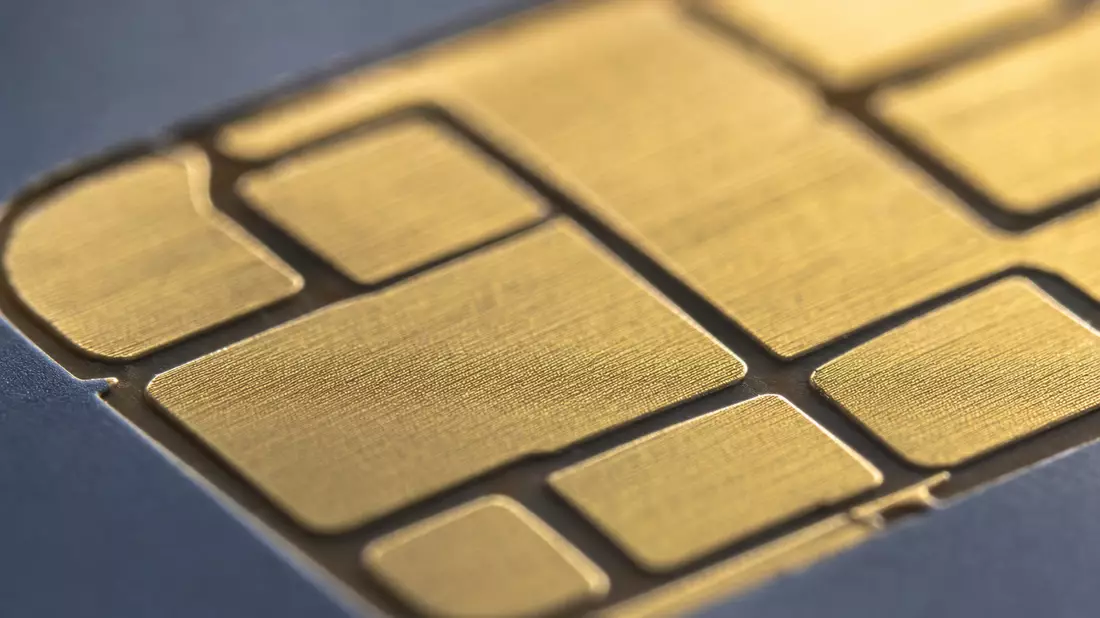
The Visa Debit card sits between a worn leather wallet and a smartphone screen, every tap sending money straight out of the linked current account. You feel the faint vibration of the terminal, see the authorization flash green, and your balance updates almost instantly in the banking app.
How Visa Debit works
Visa Debit is Visa Inc.’s globally issued debit card product that connects everyday purchases directly to a customer’s bank account, typically using the checking or current account as the funding source. Visa’s own product overview describes Visa Debit as a card for accessing funds already in the account rather than borrowing on credit.
Unlike credit cards, Visa Debit transactions are usually authorized against the available account balance and posted quickly, giving consumers a near real-time view of spending and leaving little room for accidental long-term debt build-up. Banks can also enable ATM cash withdrawals using the same card rails, so one plastic card covers store payments, online shopping, and cash access.
Visa Debit card in the wider payment mix
Learn how Visa Inc. positions debit against credit and digital wallets in its broader business model and investor communications.
Network features and security
On the back end, Visa Debit rides the same global VisaNet processing network that handles credit and prepaid cards, giving merchants and banks access to millions of acceptance points worldwide and standardized transaction formats. Visa Inc.’s investor FAQ highlights this single network approach as a core efficiency driver.
Security layers for Visa Debit usually include EMV chip technology, optional contactless functionality, tokenization for digital wallets, and risk-based transaction monitoring run by the issuing bank and Visa’s analytics systems. The company points to its Visa Advanced Authorization and Visa Risk Manager tools as central fraud defenses, which also protect debit transactions processed over VisaNet. Issuers decide the exact settings, including limits, alerts, or geographic blocks.
Where Visa Debit is used
Visa Debit cards are widely issued in markets such as the United States, the United Kingdom, Australia, and many parts of Europe, often as the default card tied to a new checking account. In the US, large retail banks including JPMorgan Chase and Bank of America promote Visa-branded debit for everyday payments, positioning it as a cash replacement at the checkout.
At the point of sale, customers tap or insert the card into EMV terminals, and merchants receive an authorization response that feels nearly instantaneous, usually below a couple of seconds. For online shopping, cardholders enter their 16-digit Visa card number, expiration, and CVV, and increasingly confirm transactions via 3-D Secure authentication steps mandated by local regulation and issuer policy.
Consumer control and budgeting
The main draw of Visa Debit for many consumers is direct control over money: the card spends only what is available in the linked account, and banks can send alerts for every transaction. For a user scrolling through a mobile banking app on a busy street, recent debit card taps show up line by line, helping track groceries, transport, and subscriptions.
Visa emphasizes that debit cards can help avoid revolving credit balances because they do not generally provide a long-term credit line, unlike many classic credit cards. That framing resonates with younger customers and those who prefer to avoid interest charges but still want card-based convenience in e-commerce and travel bookings.
Business usage and merchant benefits
For merchants, accepting Visa Debit often means lower transaction risk compared to cash, clearer audit trails, and faster checkout lines. Retail chains integrate debit acceptance into their point-of-sale infrastructure, relying on Visa’s global brand recognition to reassure customers that the card will work as expected across borders and online.
Smaller businesses can also benefit from predictable settlement cycles and transaction reports delivered by their acquirer or payment service provider. For them, the audible beep and green light on the terminal mark a sale captured through the Visa network, usually settled within one or two working days depending on the acquiring arrangement.
Product development and leadership
Chief executive Ryan McInerney, who took over as CEO of Visa Inc. in early 2023, has repeatedly underlined the importance of debit and everyday payment flows in investor presentations, framing them as stable, recurring revenue contributions alongside cross-border volumes and value-added services. His focus continues the strategic direction set by his predecessor Alfred Kelly.
On the product side, Visa’s card and digital solutions teams, which include senior leaders responsible for issuer products and consumer experiences, adapt Visa Debit to local regulations and market needs. They work with banks to add controls such as spending limits, parental oversight for youth accounts, and integration into mobile wallets like Apple Pay and Google Pay.
Pricing, fees, and regional differences
The economic model behind Visa Debit involves interchange fees paid by acquirers to issuers, network fees paid to Visa by financial institutions, and sometimes additional processing fees charged by acquirers to merchants. The exact numbers vary by region and are subject to regulation, especially in markets like the European Union where interchange caps apply.
For consumers, annual card fees, foreign transaction charges, or ATM withdrawal fees are set by the issuing bank, not directly by Visa. Some banks offer Visa Debit cards with no annual fee if customers maintain a certain minimum balance or salary deposit, while others bundle the card into account packages with fixed monthly charges for broader banking services.
Availability and application process
In practice, a Visa Debit card is not bought as a stand-alone retail product but issued through a bank. Prospective cardholders typically open a checking or current account with a participating bank and request a debit card during onboarding. The bank then orders a personalized card that arrives by mail or is collected in the branch.
In Germany and other eurozone markets, Visa-branded debit is increasingly visible alongside domestic debit schemes, reflecting banks’ desire to offer internationally usable cards for online and travel spending. In the US, the Visa Debit logo appears on many standard bank cards, often combined with contactless symbols and sometimes co-branded with major retail partners.
Regulation and consumer protection
Visa Debit usage sits inside national and regional regulatory frameworks governing electronic payments, consumer rights, and data protection. In the US, Regulation E outlines consumer liability rules for unauthorized electronic funds transfers from bank accounts, including many debit card transactions, and banks design their fraud policies around these principles.
In the European Union, the Payment Services Directive and strong customer authentication rules shape how Visa Debit can be used online, requiring additional verification steps for many e-commerce payments. These rules aim to balance convenience and security, and Visa works with issuers and merchants to implement compliant flows across different sectors.
Digital wallets and tokenization
Visa Debit can be loaded into digital wallets, transforming a plastic card into a virtual payment method stored in a smartphone or smartwatch. When the card is provisioned to a wallet, the underlying 16-digit PAN is often replaced with a token, a surrogate number managed by Visa Token Service that helps reduce the exposure of sensitive card data.
For the user, that means a flick of the wrist or a tap of the phone at a contactless terminal, with the same underlying bank account funding the purchase. Visa promotes this model as a way to combine the discipline of debit with the convenience of tap-to-pay experiences and biometric authentication.
Debit in e-commerce and subscriptions
Online, Visa Debit has moved from being a backup payment method to a primary option for many streaming, gaming, and subscription services. Merchants can store card credentials (subject to consent and security rules) to charge monthly fees directly from the customer’s bank account via debit card transactions.
This setup suits consumers who want predictable recurring charges without managing separate credit lines. However, it requires careful budgeting, as missed account funding can lead to declined subscription payments or overdraft handling by the bank, depending on local rules and the account terms.
Cash displacement and everyday usage
Visa Inc. often frames debit as a tool for displacing cash in everyday low-value payments, citing categories such as groceries, quick-service restaurants, and public transport. The tactile feeling of coins and notes gives way to the smooth plastic of the card and the subtle click of pressing it into a terminal slot.
For urban commuters and supermarket shoppers, the Visa Debit card becomes a daily companion, used for coffee on the way to work, bus fares, and small household purchases. Issuers encourage this behavior by supporting contactless limits high enough to cover typical basket sizes without requiring PIN entry for every transaction.
Issuer strategies and competition
Issuers decide whether to offer Visa Debit, competitor schemes, or both, and competition can be intense in markets where domestic debit systems are well established. Banks weigh international acceptance, brand strength, technical integration, and cost structures when choosing their main debit offering.
Visa counters rivals by emphasizing its global merchant network, value-added services such as tokenization and risk tools, and consumer familiarity with the Visa logo across physical and digital commerce. Debit sits at the core of that equation, tying together basic spending, online payments, and digital wallet usage.
Impact on Visa Inc. business
For holders of Visa Inc. stock, debit products like Visa Debit matter because they generate transaction volumes that feed network fees and support cross-selling of services, even if per-transaction economics differ from credit cards. Investor presentations frequently highlight total payment volume and transaction count, metrics to which debit contributes significantly.
Financial results reported by Visa Inc. show that everyday domestic payments, where debit is heavily used, deliver stable revenue streams, balancing more cyclical cross-border travel volumes. As more consumers shift from cash to card-based and digital payments, debit remains a foundation of the company’s transaction mix.
Stock and segment context
Against this backdrop, Visa Debit is one of several payment products underpinning Visa Inc.’s market valuation, alongside credit, commercial, and value-added services. The company’s NYSE-listed share trades in US dollars and reflects investor expectations about the growth of electronic payments and Visa’s share of those flows.
At the time of writing, Visa Inc. stock (ISIN US92826C8394) continues to be closely watched by investors who see everyday debit usage as part of a broader structural shift from cash to digital transactions.
Key facts on Visa Debit
- Product: Visa Debit card
- Manufacturer: Visa Inc.
- Category: Accessory / payment card
- Market launch: Visa Debit introduced internationally as part of Visa’s card portfolio over several decades; specific country launch dates vary.
- MSRP / Price: Card issuance and fees set by banks; often bundled into checking account packages rather than sold separately.
- Availability: Issued by participating banks in numerous markets worldwide, including the US and parts of Europe.
- Target group: Consumers and small businesses wanting direct spending from a bank account with card and digital wallet convenience.
- Highlight / USP: Direct link to bank account with broad global acceptance on the Visa network and support for physical card and digital wallet usage.
Disclaimer regarding our articles: No investment advice, no buy or sell recommendation. Information on prices, companies, and markets is provided without guarantee; changes are possible at any time. Stock market transactions can lead to substantial losses. Our articles are created and reviewed in whole or in part automatically with the support of AI.