Vulcan Energy Closes €2.2 Billion Lionheart Deal, Adds Hochtief Director Amid Mixed Shareholder Signals
01.06.2026 - 04:01:24 | boerse-global.de
Vulcan Energy Resources has secured the final funding for its Lionheart lithium project, a milestone that shifts the company from developer to builder. But the week also brought a boardroom change and shareholder feedback that left a few governance scratches beneath the surface.
The Financial Close, reached on 28 May 2026, unlocks a total financing package of €2.2 billion. That comprises €1.185 billion in senior debt, €529 million in equity, and €204 million in government grants. The capital now covers not only construction but also the initial production ramp-up, a decisive turning point for a project that had long hinged on funding certainty.
Alongside the financing milestone, Hochtief strengthened its presence in Vulcan’s boardroom. Roberto Gallardo, the construction group’s chief strategy officer, was elected to the board of directors. Hochtief had already built a 15.4 percent stake through a €169 million equity investment in December 2025, so the appointment formalises a relationship that had been building for months.
Shareholders at the annual general meeting in Perth voiced their support for management’s pay structure, voting 95.75 percent in favour of the remuneration report. The compensation scheme links executive pay directly to project milestones. CEO Cris Moreno is set to receive 355,745 performance rights — split between 111,170 short-term and 244,575 long-term incentives — while CFO Felicity Gooding is in line for 296,454 rights. The board also gained approval to raise the annual non-executive director pool from A$950,000 to A$1.2 million.
Should investors sell immediately? Or is it worth buying Vulcan Energy?
Yet the vote wasn’t entirely clean. Ahead of the AGM, 413,811 performance rights lapsed, and another 79,297 expired later — a signal that some internal targets had been missed. While that reduces potential dilution, it also points to areas where the company fell short of its own benchmarks.
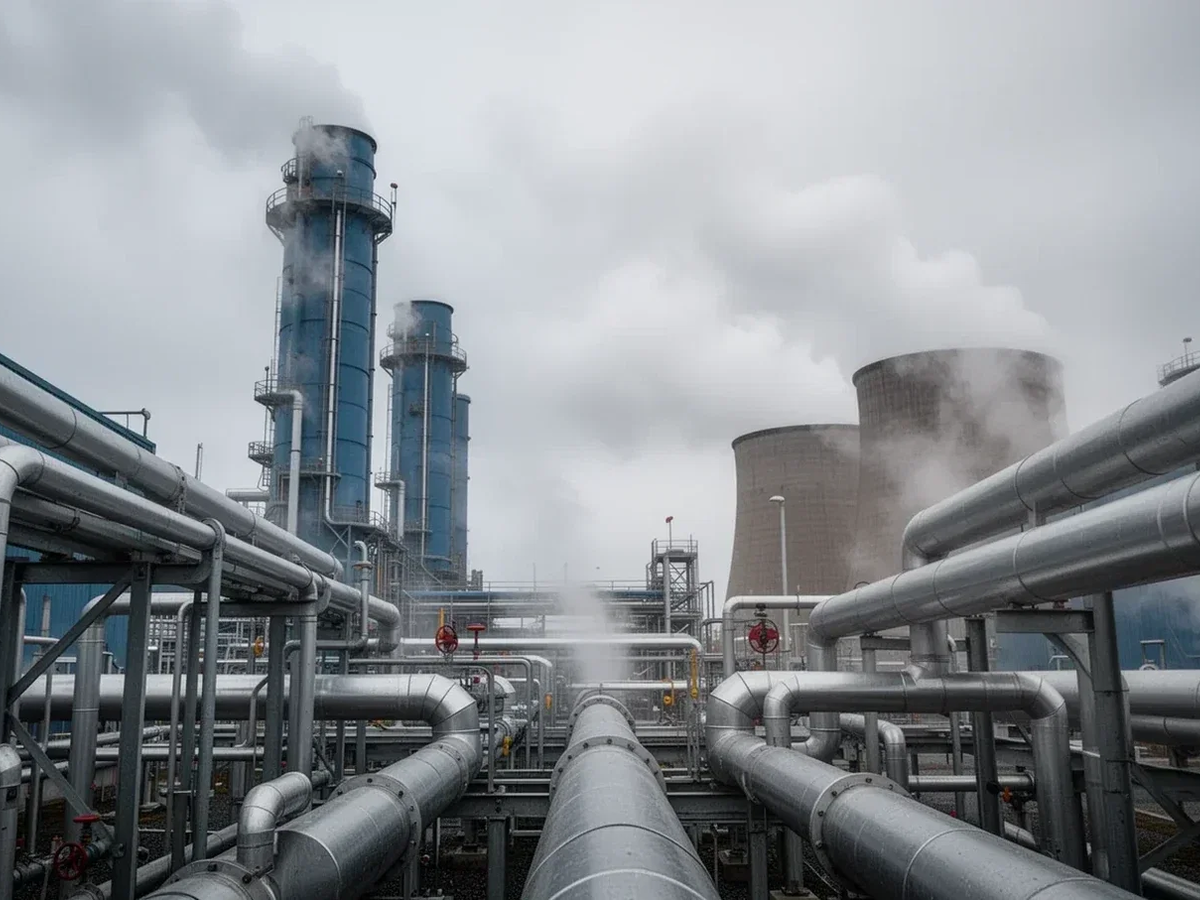
Operationally, Vulcan is betting on cost advantages that could place Lionheart in the lowest global cost quartile. The C1 production cost is pegged at €3,588 per tonne of lithium hydroxide monohydrate, supported by the company’s VULSORB technology and geothermal energy integration. Once running, the project will produce 24,000 tonnes of lithium hydroxide annually — enough for roughly 500,000 electric-vehicle batteries — and also deliver 275 GWh of electricity and 560 GWh of heat per year to regional customers, all under a planned 30-year operating life.
Construction activity is already visible. Production well LSC-1 is yielding flow rates of 105 to 125 litres per second, and LSC-2 has reached a depth of 3,000 metres. In Frankfurt’s Industriepark Höchst, a commercial electrolysis plant is being installed. Vulcan’s drilling subsidiary Vercana plans to bring a second rig online in the second half of 2026, with target production start in the second half of 2028. Importantly, 72 percent of planned output is already under fixed-price or floor-price agreements, providing revenue visibility.
The EU has designated Lionheart a strategic project under the Critical Raw Materials Act, a classification that can accelerate permitting and open additional financing avenues.
Vulcan Energy at a turning point? This analysis reveals what investors need to know now.
The market responded swiftly to the funding news. On Friday, Vulcan shares closed at €2.39 on the Frankfurt exchange, up 6.51 percent on the day and roughly 10 percent for the week. Yet the stock remains about 40 percent below its 52-week high of €3.98 reached in October. Year-to-date, the shares are still down about 8.5 percent. The price is now back above the 50-day moving average of €2.16, but the recent volatility underscores how closely the market is watching every project step.
With the largest financial hurdle cleared, Vulcan’s attention now shifts entirely to execution. The timeline depends on drilling progress, the deployment of a second rig, and the completion of the electrolysis installation. Concrete dates for first production have not been disclosed, but the clock is ticking.
Ad
Vulcan Energy Stock: New Analysis - 1 June
Fresh Vulcan Energy information released. What's the impact for investors? Our latest independent report examines recent figures and market trends.
So schätzen die Börsenprofis Vulcan Aktien ein!

Für. Immer. Kostenlos.