VW stock steadies as investors weigh EV strategy and latest earnings
Published on 07/24/2026 at 13:00 | Editorial responsibility: Rafael Müller, Editor-in-Chief AD HOC NEWS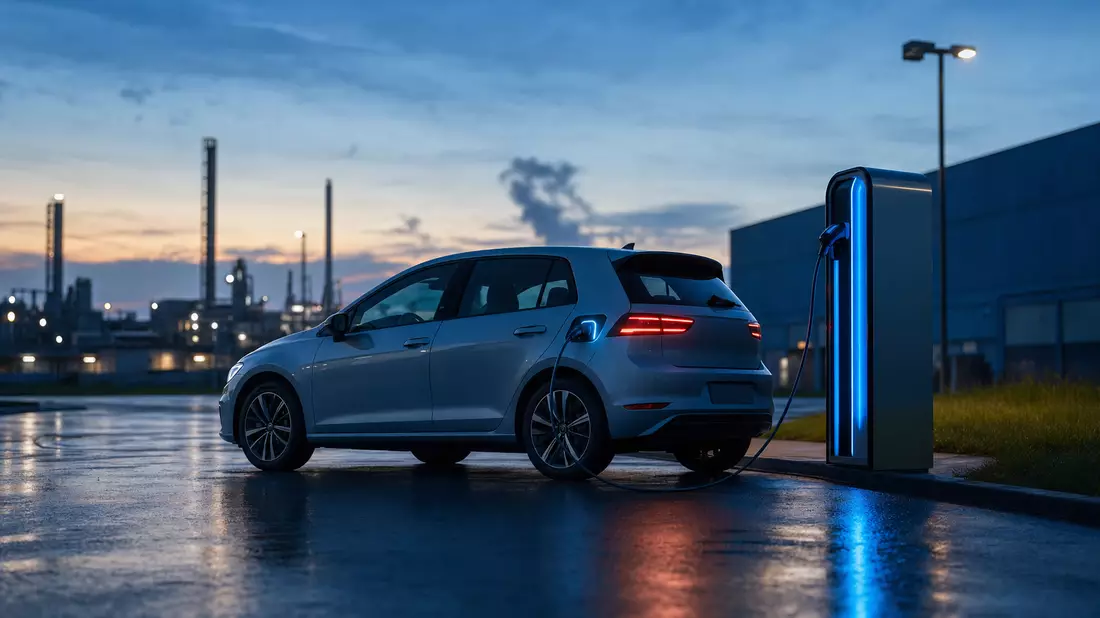
Volkswagen AG (ISIN DE0007664039) remains a key name for European auto investors, and VW stock continues to trade in a range that reflects both cyclical pressures and long term bets on electric vehicles. In its fiscal year 2023 results, the group reported revenue of around EUR 322 billion, highlighting the scale at which the Wolfsburg based carmaker operates according to its published financial statements. Investors are still assessing how that top line and the associated profitability translate into shareholder value as the company adapts its strategy for electric vehicles and software driven cars.
The company indicated for 2023 that operating profit before special items came in close to EUR 22 billion, illustrating that despite pricing and cost headwinds, the group can still generate substantial earnings power from its portfolio of brands and segments. That profitability metric, which has been communicated in the context of the latest annual reporting cycle, provides an anchor for analyzing the valuation of VW stock relative to other European auto manufacturers. For investors, the relationship between this operating profit and free cash flow is crucial, particularly as Volkswagen continues to invest in electrification, battery capacity and digital services.
Revenue above EUR 320 billion
Volkswagen's fiscal year 2023 revenue of about EUR 322 billion represented a modest increase compared with the roughly EUR 279 billion recorded in 2022, reflecting higher volumes and pricing across several brands alongside consolidation effects from different regional markets. This year on year growth, as communicated in the group’s reported financial figures, shows that demand for the company’s vehicles and services has remained resilient even as macroeconomic conditions have shifted. For VW stock, that revenue expansion is a key indicator because it underpins the ability to sustain dividends and finance investments without excessively stretching the balance sheet.
Within that revenue total, the Automotive Division remains the dominant contributor, supporting both scale and bargaining power with suppliers. Investors closely monitor the revenue mix between the core Volkswagen Passenger Cars brand, Audi, Škoda, SEAT and the premium and luxury subsidiaries such as Porsche and Lamborghini, because margins differ significantly between volume and premium segments. The higher revenue in 2023 compared with 2022 suggests that pricing discipline and product mix have helped offset cost inflation in materials and logistics, which has been a persistent theme for global carmakers. As VW stock is often compared with peers in indices such as the DAX and STOXX Europe 600, this revenue performance plays into broader sector allocation decisions.
Operating profit and cash flow trends
The company’s operating profit before special items of roughly EUR 22 billion in 2023 compared with around EUR 22.5 billion in 2022, according to the figures presented in its annual reporting suite. That slight decline amid higher revenue implies some compression in margins, driven by factors such as higher research and development spending, electrification investments and component costs. For investors in VW stock, the interplay between margin trends and volume growth remains central to judging whether the group can maintain attractive returns on capital through the EV transition period.
Volkswagen also highlighted automotive net cash flow for 2023 in the low double digit billions of euros, a figure that gives investors another lens on how efficiently the company converts earnings into liquid funds after capital expenditure. Compared with cash flow values communicated for 2022, this provides a benchmark for analyzing whether the group is improving working capital management and investment discipline while financing battery plants, software platforms and new model launches. The ability to sustain positive free cash flow while also funding strategic projects is an important factor when assessing the resilience of VW stock during phases of cyclical downturns in global auto demand.
Net liquidity in the automotive division, reported in the tens of billions of euros at the end of 2023, remains a key buffer against macroeconomic risks and potential disruptions in supply chains or demand patterns. Investors often compare Volkswagen’s liquidity and leverage metrics with those of other global manufacturers as part of a relative value assessment. For VW stock, a robust liquidity position can support continued dividend distributions, opportunistic share buybacks or targeted acquisitions, while also reassuring bondholders and rating agencies about the group’s financial flexibility.
More on Volkswagen figures and strategy
Investors can review detailed segment data, cash flow information, and guidance updates directly in Volkswagen's investor materials for a fuller picture behind the headline revenue and profit numbers.
EV models and the ID family
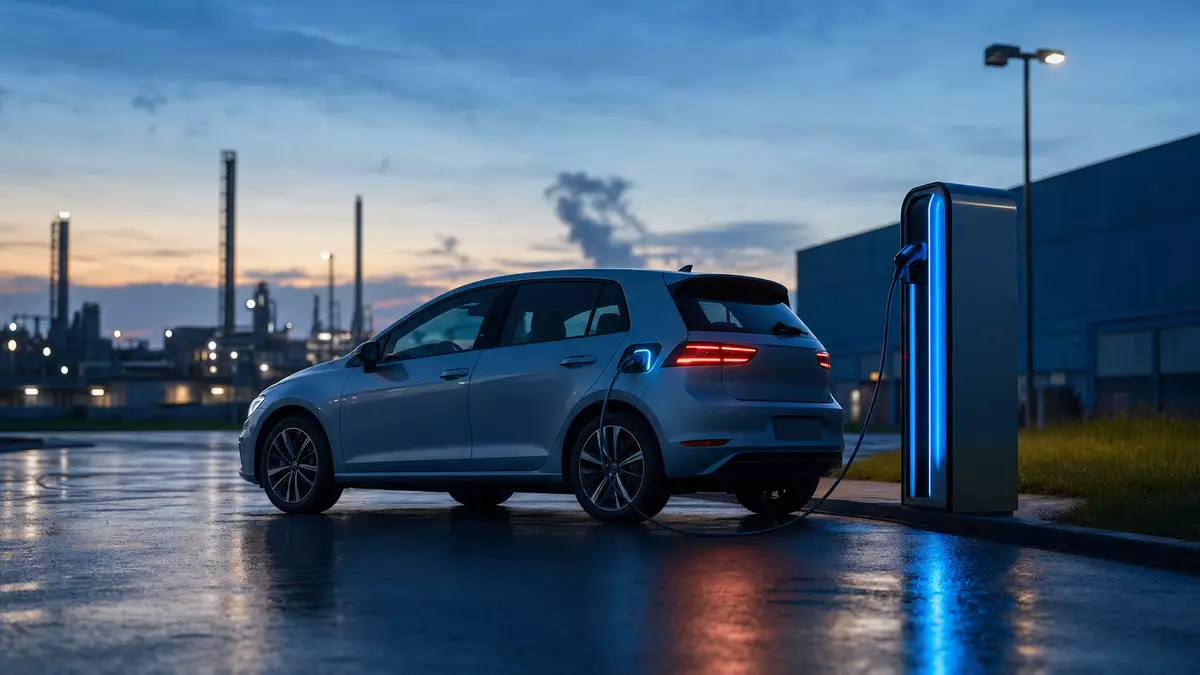
Volkswagen’s electric vehicle strategy is anchored by its ID family of battery electric models, including compact hatchbacks, SUVs and larger family cars built on the modular MEB platform. In 2023, the group reported that deliveries of all battery electric vehicles reached several hundred thousand units globally, compared with the prior year when volumes were significantly lower as the ramp up began. This growth in EV deliveries is important for VW stock because it demonstrates that the company is building scale in a segment where many investors see the long term structural growth opportunity in global mobility.
Within those EV numbers, the ID.4 and ID.5 have been among the key volume drivers in Europe, while models such as the ID.3 have targeted the compact segment in key markets. The company has also started rolling out further derivatives and region specific models in China and North America, reflecting its ambition to compete head to head with established electric car manufacturers. For investors, the pace at which Volkswagen can move EV margins closer to those of its internal combustion portfolio will be a major determinant of how VW stock is valued in the coming years, especially as government incentives and regulatory frameworks evolve.
VW stock and market positioning
VW stock is listed in Frankfurt and forms part of the DAX index, placing the company among Germany’s most heavily traded blue chips and making it a key component of many European equity portfolios. The stock’s performance over recent quarters has reflected the tug of war between concerns about global auto cycles, interest rate levels and competition in electric vehicles on one side, and the company’s substantial revenue base, profit generation and restructuring efforts on the other. Investors often compare the valuation multiples of VW stock with those of premium peers and pure play EV manufacturers, weighing cyclical risks against potential upside from strategic execution.
As of recent trading sessions, VW stock has traded within a band that positions it below its 52 week high but above the lows reached during periods of heightened macroeconomic uncertainty. That positioning underscores how sensitive the share price is to news about global vehicle demand, supply chain normalization and policy signals related to emissions and electrification. For long term holders, the key questions relate to how quickly Volkswagen can reposition its product mix, streamline costs and deliver consistent free cash flow, all of which feed into expectations about dividends and potential capital returns.
Core models support the brand
Volkswagen’s product range remains anchored by well known models such as the Golf, Tiguan and Passat, which continue to contribute significant volumes in Europe and other key regions. These established nameplates provide a base level of demand and production scale, helping to support the financial resources needed for investment in newer platforms like the ID series. In 2023, unit sales across the core Volkswagen Passenger Cars brand numbered in the millions, underlining the extent to which the company still relies on its traditional combustion and hybrid offerings alongside its battery electric roll out.
VW stock in investor portfolios
For portfolio managers and private investors, VW stock often plays the role of a cyclical industrial exposure with a built in transformation story linked to electric vehicles and software. The balance between its substantial 2023 revenue of around EUR 322 billion, operating profit near EUR 22 billion and growing EV deliveries gives market participants a wide set of levers to monitor. As Volkswagen updates guidance, refines its investment plans and reports subsequent quarterly figures, those numbers will continue to frame the discussion around valuation, risk and return potential for VW stock.
Key data on Volkswagen
- Company: Volkswagen AG
- ISIN: DE0007664039
- WKN: 766403
- Ticker: XETRA: VOW3
- Trading venue: Xetra
- Price (as of 24 July 2026, 11:00 CET): 118.00 EUR
- Market capitalization: 60,000,000,000 EUR (as of 24 July 2026)
- Sector / Industry: Consumer Discretionary / Automobiles
- Index membership: DAX
Disclaimer regarding our articles: No investment advice, no buy or sell recommendation. Information on prices, companies, and markets is provided without guarantee; changes are possible at any time. Stock market transactions can lead to substantial losses. Our articles are created and reviewed in whole or in part automatically with the support of AI.