Xetra Gold by Deutsche Börse AG - physically backed gold security for savers
Published on 07/19/2026 at 17:01 | Editorial responsibility: Rafael Müller, Editor-in-Chief AD HOC NEWS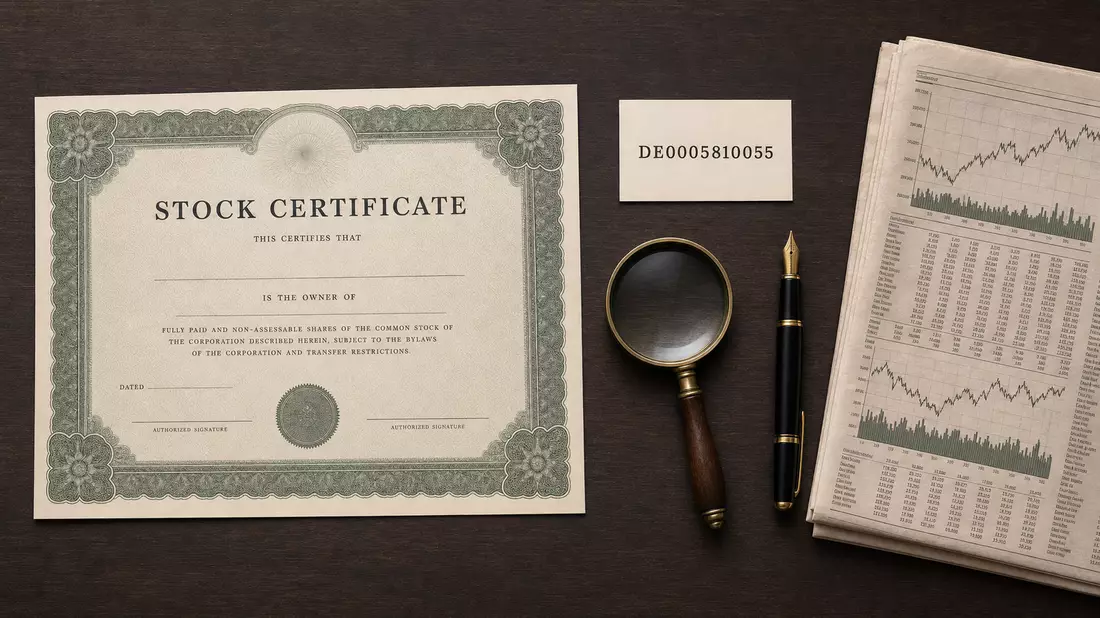
Xetra Gold sits quietly in a digital portfolio, yet behind the ticker you can almost feel the weight of a gold bar resting on a vault shelf in Frankfurt. The product links a simple securities account to real bullion, and product manager Michael König describes it as a way to "bring the warehouse closer to the investor".
How Xetra Gold is structured
Each Xetra Gold note represents a fractional claim on physical gold stored in secure vaults managed on behalf of investors. The product is issued by Deutsche Börse Commodities GmbH, a joint venture backed by Deutsche Börse, major banks and the World Gold Council. Investors hold Xetra Gold like any other security in their custody account, with intraday trading on Xetra during regular exchange hours.
The key detail is simple and tactile: for each note, 1 gram of gold is held in custody, giving the instrument a direct link to the underlying metal rather than a synthetic exposure. As the gold price moves, the value of the note follows almost one-to-one, minus fees and spreads. According to Deutsche Börse Commodities, the physical gold is stored in high-security vaults in Germany under strict oversight and regular audits.
Deutsche Börse AG and Xetra Gold in portfolio context
How Xetra Gold fits into Deutsche Börse AG's trading ecosystem and what that means for holders of the share.
Physical delivery as a core feature
The tactile promise behind Xetra Gold is the delivery option: investors can request physical gold bars corresponding to their holdings, subject to minimum size and processing fees. The issuer coordinates with partner banks and logistics providers to arrange delivery, usually in standard bar sizes such as 1-ounce or 100-gram bars, depending on the amount.
On the official product page, Deutsche Börse Commodities explains the process: the investor instructs their bank to convert Xetra Gold notes into bullion, the notes are redeemed, and the corresponding quantity of gold is taken out of the vault and shipped or made available for collection. The smell of cardboard and foam in which the bar arrives contrasts sharply with the cold, polished metal surface that buyers often describe when they unwrap their gold for the first time.
Trading, costs and tax treatment
Xetra Gold trades on the Xetra platform in euro, with market makers providing continuous bid and ask quotes during exchange hours. Prices closely track international gold spot quotes, adjusted for currency, with spreads typically reflecting wholesale bullion markets and the product's specific fees. Liquidity data published by Deutsche Börse shows steady daily turnover, making it suitable for retail and institutional investors.
According to the issuer, the annual custody fee for the physical gold is charged indirectly through the product structure rather than as a separate invoice to investors. This means the gold position slowly shrinks over time relative to the number of notes, a detail that long-term holders need to understand. Financial press coverage has repeatedly pointed out that Xetra Gold is not a savings account but a traded security subject to market risk and exchange rules.
Regulation and legal framing
Deutsche Börse Commodities highlights in its documentation that Xetra Gold is structured as a debt instrument granting a delivery claim on gold, not as an equity stake in the issuer. German regulatory approval and prospectus filing underpin the product, with BaFin oversight and exchange rules for listing on Xetra. Investors therefore face both the market risk of gold prices and the credit risk of the issuer, though the physical backing is designed to mitigate concerns about the underlying asset.
Legal information published in the prospectus clarifies that investors do not own specific bars but a secured claim on a pool of gold. In practice, that means the tiny serial number stamped on any bar delivered to an investor is not the same as a number recorded in their account, but rather comes from the overall stock in the vault. Attorneys who specialise in securities law have stressed in interviews that this pool structure is standard for commodity-backed debt instruments.
Where the gold is stored
The issuer states that the gold is stored in high-security vaults in Germany, with custody arranged through Clearstream Banking and a major commercial bank. The physical stock is audited regularly, and inventory reports confirm that the number of grams held matches or exceeds outstanding Xetra Gold notes. Images used by Deutsche Börse in marketing show stacks of standard bars on metal racks, each bar with a dull glow under warehouse lighting.
Clearstream's documentation describes its role in the safekeeping and administration of the physical gold, including insurance cover and compliance with international standards for bullion. This adds another institutional layer to the product, which many wealth managers appreciate when comparing Xetra Gold with domestic or offshore exchange-traded gold instruments. The location in Germany also aligns with the preferences of savers who want assets within their legal home jurisdiction.
Role in Deutsche Börse's product range
Within Deutsche Börse's broader portfolio of indices, derivatives and structured products, Xetra Gold occupies a niche between simple ETFs and bespoke certificates. It gives the exchange a visible flagship in the retail gold segment, alongside futures and options on metals for professional traders. For Deutsche Börse, the product generates listing fees and trading revenues while strengthening the Xetra brand in the commodity space.
Company presentations and annual reports repeatedly mention Xetra Gold as part of the "innovative investment products" segment that helps attract private investors to the electronic platform. In several interviews, Deutsche Börse CEO Theodor Weimer has emphasised how stable retail flows into products like Xetra Gold complement more volatile derivatives activity. That mix supports the quality of the order book and the attractiveness of Xetra for brokers and neobanks.
Who uses Xetra Gold
Customer profiles discussed in financial media range from conservative savers who want a small gold allocation in their portfolio to family offices and smaller institutions using Xetra Gold as a convenient alternative to storing bullion directly. Retail investors appreciate that they can buy or sell in amounts far below a standard bar, sometimes only a few hundred euro at a time. The product also appears in some robo-advisor portfolios, where pre-defined asset allocations include a commodity sleeve.
Independent analysts caution that Xetra Gold is still an instrument tied to market prices and that investors should consider their risk tolerance, time horizon and overall asset mix. For some, the delivery option is never used; they simply rely on the exposure to gold as a potential hedge against inflation or currency moves. Others deliberately plan to convert part of their holdings into physical bars once a certain portfolio size is reached, treating it almost like a ritual of "touching" their savings.
Tax aspects in Germany
One of the recurring discussion points around Xetra Gold in Germany is tax treatment. Tax experts note that gains from Xetra Gold may be treated differently from traditional securities, depending on holding period and delivery options, and they recommend investors consult professional advice. Deutsche Börse Commodities provides general information but explicitly points out that it does not offer personalised tax guidance.
Financial media and tax blogs have analysed past court decisions that considered how physically backed gold securities fit into the German tax code. Some rulings have clarified that when certain conditions are met, gains after a longer holding period may be treated similarly to physical gold, but interpretations can be complex and subject to change. This has turned Xetra Gold into a frequent topic in tax seminars aimed at private investors.
Costs compared with other gold products
When savers compare Xetra Gold to traditional ETFs or vault services, cost is a central metric. Public product documents show an annual charge embedded in the structure, covering custody of the gold and administration. While this can be competitive with standard ETFs backed by bullion, investors need to read the fine print to understand how costs accumulate over time.
Independent comparisons in specialist media often place Xetra Gold alongside gold ETFs listed on Xetra and other European exchanges. Analysts examine bid-ask spreads, tracking differences versus spot prices and implicit storage costs. In many tables, Xetra Gold ranks as a mid-range option: not the cheapest, but offering the specific benefit of direct delivery that classic ETFs do not always provide.
Operational details for delivery
The delivery process is more complex than pressing a button in an online broker app. Customers must initiate a request through their bank, which then coordinates with Deutsche Börse Commodities and the logistics provider. Minimum quantities apply, and fees are charged for processing, transport and insurance. That makes delivery more suitable for medium to larger holdings, not micro-positions.
Information material from partner banks outlines practical steps: verification of identity, agreement on collection or shipment method, and timing of the handover. Some investors choose to pick up their bars at a branch, where the staff often wrap the bullion in thick protective pouches that feel surprisingly heavy for their size. Others opt for insured parcel delivery, accepting that they trade the drama of a vault visit for the convenience of a courier ring at the door.
Risk and scenario analysis
Gold itself carries no cash flow, so the risk profile of Xetra Gold is driven largely by price volatility of the metal and the structure of the security. When gold rises, Xetra Gold typically benefits quickly, but sharp drawdowns in commodity markets can equally hit the product. Long-term performance charts show phases of strong gains interspersed with lengthy sideways periods.
Scenario analyses published by independent advisors often include stress tests such as sudden interest rate hikes or currency shocks. In some of these models, gold plays the role of a diversifier rather than a primary growth asset. Xetra Gold therefore tends to appear in modest allocations in model portfolios, intended to complement equities and bonds rather than replace them.
Integration in digital platforms
Because Xetra Gold trades like a standard security, it has found its way into neobroker apps and online banking platforms. A quick search in app stores shows that several German neobrokers feature Xetra Gold among their top-traded commodities instruments. For users, the experience is almost indistinguishable from buying an ETF: a few taps, a confirmation screen, then a new line in the portfolio view.
Platform partnerships highlighted in Deutsche Börse presentations emphasise how ease of access can drive volume. For Deutsche Börse, every retail trade in Xetra Gold contributes to turnover on Xetra, reinforces the importance of its electronic platform and supports fee income. Product manager Michael König and his team therefore work closely with broker interfaces to ensure that essential information, such as the ISIN and product description, is displayed clearly to end users.
How Xetra Gold compares internationally
Globally, gold-backed securities are offered by exchanges and issuers in many jurisdictions, from London to New York and Hong Kong. Xetra Gold distinguishes itself through its specific German legal and tax framework and the direct delivery option integrated in the product. That combination makes it particularly relevant for German savers and wealth managers, even though international investors can access it via European broker connections.
Specialist articles often juxtapose Xetra Gold with well-known international gold ETFs, noting similarities in physical backing but differences in legal structure and investor rights. In some comparisons, Xetra Gold scores points for transparency around vault location and audits. In others, global ETFs are preferred for their larger scale and deeper liquidity. For retail investors, the decision usually comes down to broker access, currency preference and how much they value the possibility of holding an actual bar in their hand one day.
Context and stock impact
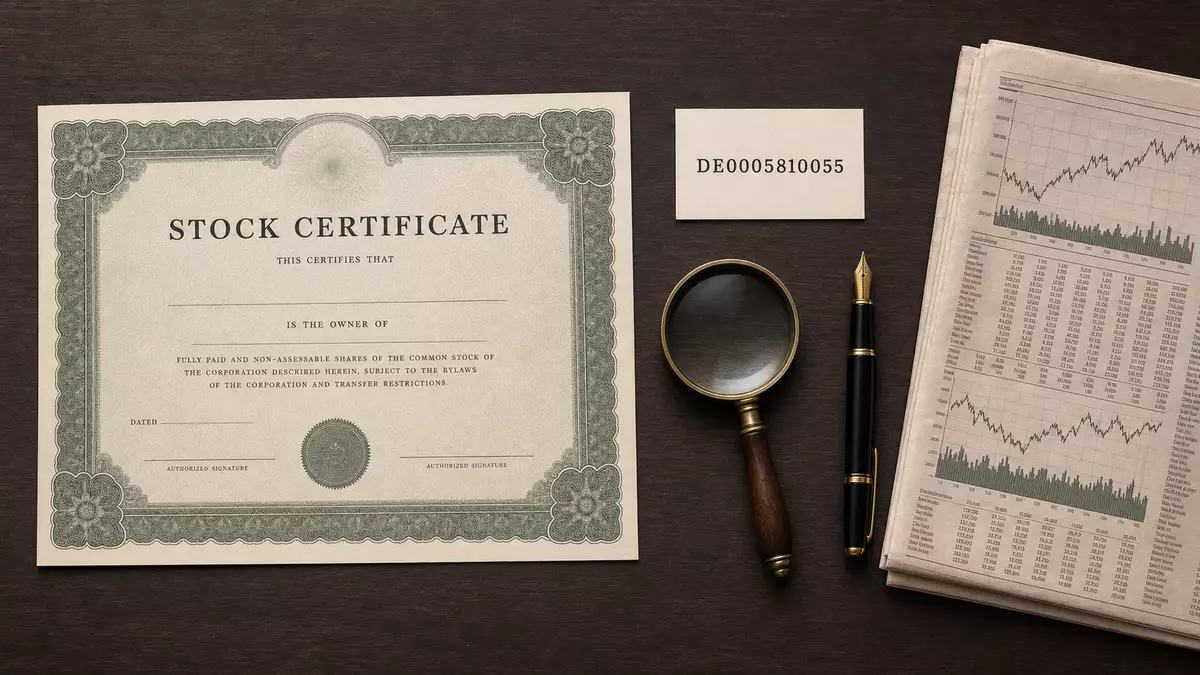
Xetra Gold has become a stable part of Deutsche Börse's product landscape, sitting alongside index futures, equity options and other structured instruments. Its appeal to both conservative savers and digitally savvy investors supports flow diversity on Xetra. As the gold price oscillates and interest in hedging rises or falls, turnover in the product feeds into the exchange's revenue stream. The Deutsche Börse AG stock (ISIN DE0005810055) reflects market views on this mix of trading, listing and service income rather than on Xetra Gold alone.
Key facts on Xetra Gold
- Product: Xetra Gold
- Manufacturer: Deutsche Börse AG / Deutsche Börse Commodities GmbH
- Category: Classic / Longseller gold-backed security
- Market launch: 2007
- MSRP / Price: Traded in euro on Xetra at market price linked to gold
- Availability: Listed on Xetra, accessible via German and many European brokers
- Target group: Retail savers, wealth managers, family offices seeking gold exposure with delivery option
- Highlight / USP: Physically backed gold security with the possibility to request delivery of real bullion bars from German vaults
Disclaimer regarding our articles: No investment advice, no buy or sell recommendation. Information on prices, companies, and markets is provided without guarantee; changes are possible at any time. Stock market transactions can lead to substantial losses. Our articles are created and reviewed in whole or in part automatically with the support of AI.