Xiaomi's Two-Hemisphere Crisis: DRAM Costs Quintuple as EV Division Bleeds $5,600 per Car — Stock Hits 52-Week Low Despite HK$20 Billion Buyback
27.06.2026 - 02:47:20 | boerse-global.de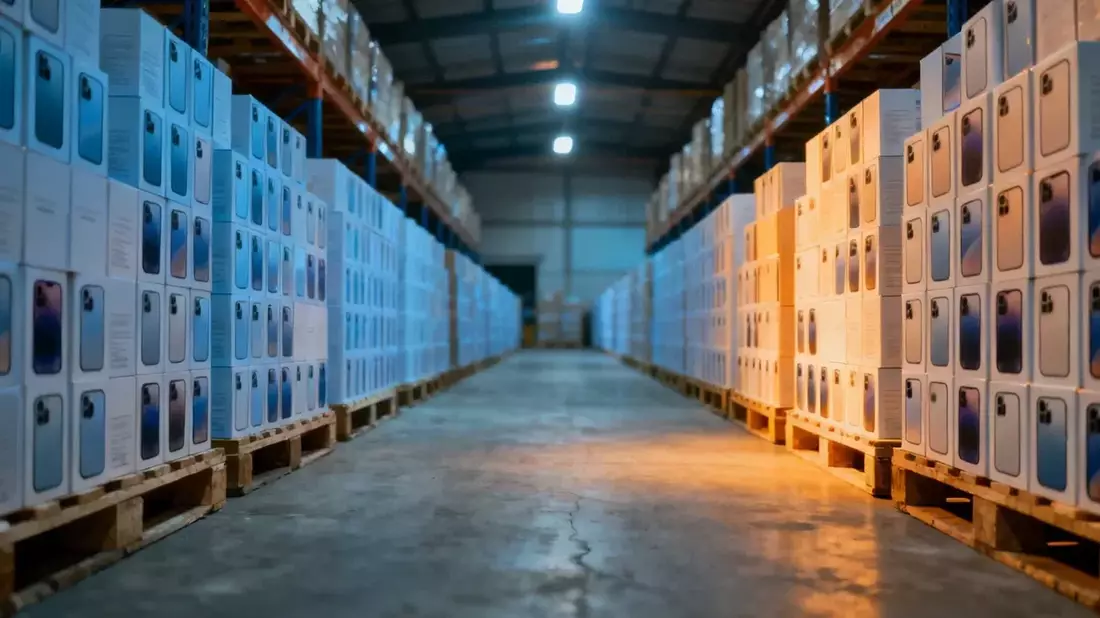
The relative strength index has sunk to 18.9, a level that typically signals a stock is deeply oversold and ripe for a rebound. But for Xiaomi, no bounce has materialised. The Chinese tech titan has been buying back its own shares at a record pace — spending up to HK$20 billion (roughly €2.4 billion) under a freshly authorised programme — yet the stock continues to slide. At €2.45, it sits just a whisker above the 52-week low of €2.34, having lost nearly 46% since the start of the year. Short sellers now command roughly 9% of the free float, according to market reports.
The reason the buyback is falling flat lies in a brutal earnings collapse. In the first quarter of 2026, Xiaomi's operating profit cratered by 70% year-on-year, while adjusted net income tumbled 43.1%. Revenue dropped 10.9% to 99.1 billion yuan, missing consensus expectations of 103.4 billion yuan. The pain is coming from two very different directions: the company's core smartphone operation and its expensive foray into electric vehicles.
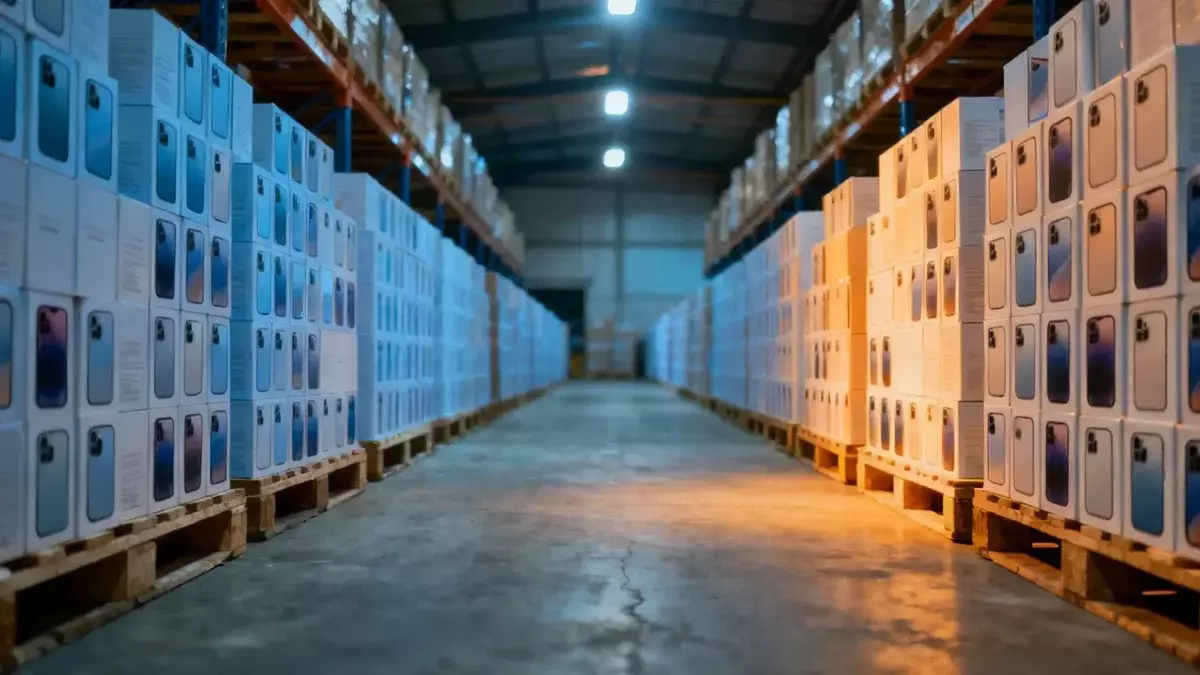
On the smartphone side, a surge in memory chip prices is gouging margins. Chief Executive Lei Jun has revealed that contract prices for DRAM used in handsets have quintupled, driven by insatiable demand from the AI sector for NAND flash and high-bandwidth memory. The smartphone and AIoT division saw its gross margin slip to 22.5%, while global handset shipments fell 19% — the steepest decline among the world's top five manufacturers. To counter the squeeze, Xiaomi plans to launch HyperOS 4 this summer and the flagship Xiaomi 18 Pro in September, with a possible earlier European rollout. But with memory costs expected to remain elevated for at least two more years, the margin pressure is unlikely to ease quickly.
Should investors sell immediately? Or is it worth buying Xiaomi?
Meanwhile, the EV business is consuming cash at an alarming rate. In Q1, the automotive segment reported an operating loss of 3.1 billion yuan, or roughly $5,600 for every vehicle delivered. The gross margin on EVs shrank from 23.2% to 20.1%, weighed down by a drop in sales of the high-margin SU7 Ultra, the expiry of purchase tax subsidies, and rising component costs. Xiaomi is sticking to its target of 550,000 electric vehicle deliveries in 2026, but the numbers tell a different story. From January to May, it handed over only 150,317 cars — a modest 13.5% increase year-on-year. To meet the full-year goal, the company would need to deliver an unprecedented 57,500 vehicles each month from June onwards. Jefferies has already trimmed its forecast to 495,000 units.
Analysts are losing faith. Jefferies downgraded the stock from "Hold" to "Underperform" and slashed its price target to HK$25.49, citing the "challenging" combination of soaring memory costs — which it estimates could rise another 100% in the second quarter — and a projected 10% revenue decline for the full year. Goldman Sachs expects profit to plunge by 50% in the current quarter. Xiaomi's research and development expenditure jumped 33.4% to 9.0 billion yuan in Q1, underscoring management's determination to push ahead despite the headwinds.
That determination is most visible in the EV division's next big bet. Chinese regulators have approved production of a new range-extender SUV under the sub-brand Skynomad. Codenamed Kunlun N3, the full-size vehicle stretches more than 5.3 metres and promises a combined range of roughly 1,500 kilometres. Priced at around 200,000 yuan, it undercuts models from Li Auto and Aito. The marketing play is aimed squarely at the glamping trend — test mules have been spotted with a roof tent integrated into the roof rack. The launch is slated for the second half of 2026. But the timing is unfortunate: China's entire range-extender market shrank by nearly 25% in May alone.
All eyes now turn to August 26, when Xiaomi will report second-quarter results. Until then, investors are left watching monthly EV delivery numbers and hoping memory chip prices finally stabilise. The stock may be technically oversold, but with no catalyst in sight and fundamental headwinds blowing from both sides, the buyback machines may need to work a lot harder to stop the rot.
Ad
Xiaomi Stock: New Analysis - 27 June
Fresh Xiaomi information released. What's the impact for investors? Our latest independent report examines recent figures and market trends.