ASML Can't Build Fast Enough for Its Customers — Investors Just Aren't Sure They Can Pay for It
Published on 10/23/2026 at 20:40 | Editorial boerse-global.de
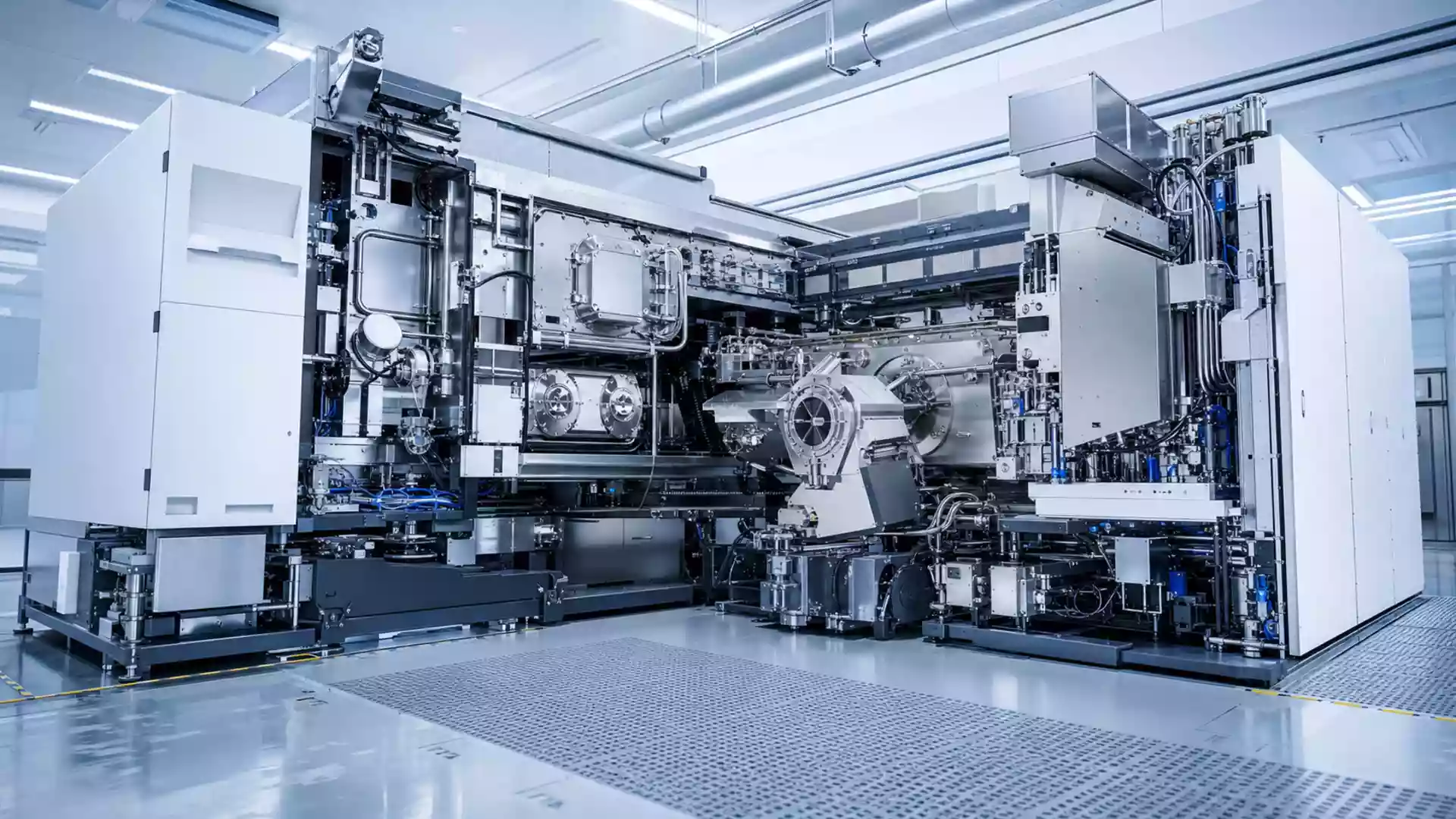
ASML found itself caught in a global selloff of artificial-intelligence-linked equities, a retreat that the news agency AP tied to mounting unease over AI stocks and rising oil prices. Yet the same week brought a very different message from the Dutch chip-equipment maker: its planned delivery capacity will not be enough to satisfy customer demand in full. For shareholders, that sets near-term doubts about returns against longer-range signals of a sold-out order book.
Two questions, not one
The pressure on the stock is best understood as a question about the economics of AI infrastructure — specifically, how quickly the heavy spending on the customer side turns into earnings. That is a separate matter from any reported softening in demand for ASML's own machines. The company's capacity comments describe what ASML can supply; the market's worry concerns what its customers get back from their investments. Both sit on different sides of the same capital-spending cycle.
Reuters reported as early as October 15 on doubts surrounding the lofty expectations for 2028 and 2029, compounded by concerns over how AI projects will be financed and by bottlenecks in data-center capacity. Those factors bear on the execution of expected growth, not on interest in ASML's tools. Strong customer appetite and a falling share price can therefore coexist quite comfortably.
Should investors sell immediately? Or is it worth buying ASML Holding?
The numbers behind the noise
Roughly a week ago, ASML posted third-quarter 2026 revenue of EUR 11.7 billion, a gross margin of 57.5% and a net profit of EUR 5.0 billion — the operating counterweight to skepticism about growth further out. For the fourth quarter of 2026, management guided to revenue of EUR 14.2 billion to EUR 15.2 billion, a forecast rather than booked business. Full-year 2026 revenue is expected to land between EUR 44 billion and EUR 45 billion.
Looking further ahead, the company said its planned supply for 2027 and 2028 will fall short of customer demand, and it is therefore examining additional capacity for 2028. Reuters also reported customer interest in orders for advanced systems slated for 2029 and 2030. Chief executive Christophe Fouquet has said the planned capacity increases will not be sufficient to meet demand. That points to a durable demand base — without, however, resolving the risks sitting on the customer side. Interest in equipment, confirmed orders and the actual delivery of the underlying projects are three distinct things.
Terafab: ambition on a tight clock
One concrete project captures the tension. Elon Musk said on Tuesday that ASML and other equipment suppliers are accelerating deliveries for the planned Terafab facility that Tesla and SpaceX intend to build in Texas. Volume chip production is targeted for the third or fourth quarter of 2028 — a timeline Musk himself called highly ambitious.
Accelerated shipments are not proof of a secured production start, and they do not amount to an ASML announcement of a confirmed order. What they do show is why investors should weigh demand and realistic schedules on separate scales. The company's results back the operating outlook; the market's weakness reflects doubts about the later returns on AI investment.
Ad
ASML Holding Stock: New Analysis - 23 October
Fresh ASML Holding information released. What's the impact for investors? Our latest independent report examines recent figures and market trends.